
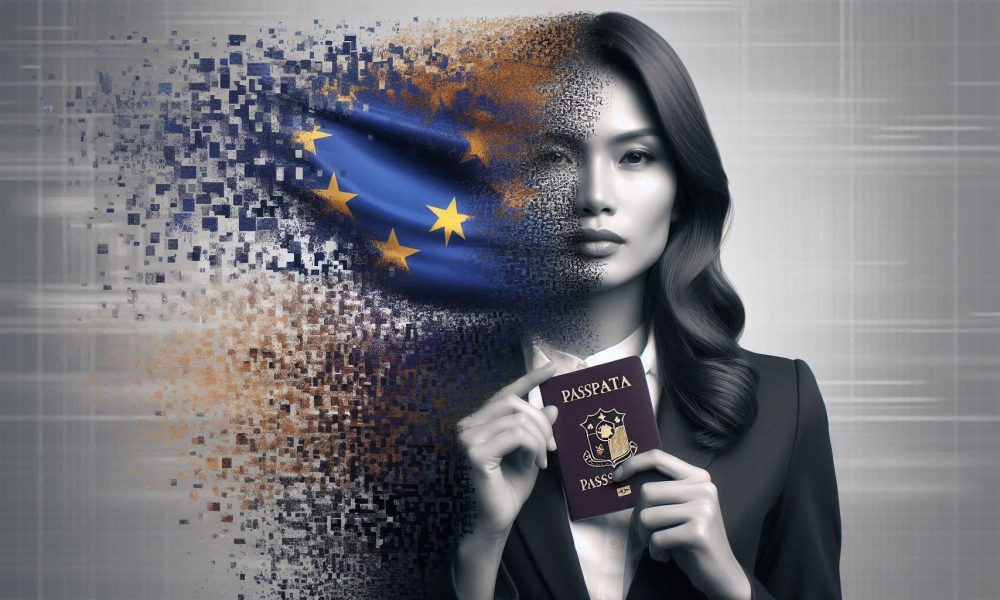
How Nations Are Balancing Mobility, Privacy, and Legality in the New Global Economy
VANCOUVER, BC, August 3, 2025 — As the global economy shifts toward remote work and transnational living, digital nomad visas have emerged as powerful tools not only for geographic freedom but for legal identity transformation. While they were initially conceived to accommodate traveling professionals, these visas now sit at the intersection of immigration reform, privacy rights, and personal reinvention. Amicus International Consulting offers this comprehensive overview of how digital nomad visa programs are reshaping the rules of residency and identity in 2025.
The Rise of Digital Nomadism and Government Response
The pandemic-era remote work boom gave rise to a new class of global professionals untethered from traditional office spaces. Governments saw an opportunity: attract high-earning foreigners without burdening local labor markets. Countries such as Estonia, Barbados, and Portugal were among the first to launch digital nomad visa programs, offering temporary residency in exchange for proof of foreign income, health insurance, and clean criminal records.
Today, more than 60 countries have launched digital nomad visa regimes. These programs vary widely in their legal frameworks, tax obligations, privacy protections, and flexibility for legal identity changes.
Visa-Based Identity Portability: A Legal Gray Zone or Emerging Norm?
For many, acquiring a digital nomad visa is more than a matter of changing location—it’s a chance to explore a new legal identity under the protection of a new jurisdiction. In some cases, individuals fleeing reputational harm, domestic abuse, or political unrest use nomad visas as the first step toward reestablishing their identities legally and safely.
While these uses remain controversial, they are not inherently illegal. Some jurisdictions permit name changes and residency identity alignment after just one or two years of continuous presence under a digital nomad visa.
Case Study: From U.S. Bankruptcy to Legal Rebirth in Portugal
In 2023, a 39-year-old American tech entrepreneur filed for bankruptcy following the collapse of a high-profile startup. Facing reputational ruin and limited financial options, he applied for Portugal’s D7 passive income visa—a pathway often used by digital nomads. After one year in Lisbon and consistent income from freelance consulting, he successfully obtained residency. In 2024, under Portuguese law, he legally changed his name. Today, he operates a new company under a new legal identity, with full compliance under both U.S. and Portuguese law.
Tax Residency and Its Role in Identity Flexibility
One of the core legal benefits of digital nomad visas is the ability to establish tax residency outside one’s country of origin. This residency can, in turn, provide legal grounds for banking, taxation, and even name or identity changes under host country laws. Nations such as Georgia, Costa Rica, and the Cayman Islands not only grant residency but may also allow tax-free living for digital nomads meeting minimum stay thresholds.
However, the line between legal residency and tax evasion remains sharp. Nomads must often sever ties—such as local employment, primary housing, or family dependency—to avoid dual taxation or accusations of fraudulent residency.
How Governments Handle Background Checks and Identity Vetting
The expansion of digital nomad programs has raised concerns about background checks and identity verification. While most countries require police clearance certificates, few conduct rigorous follow-ups once a visa is issued. This creates a legal gray area where individuals with past legal or reputational issues may assume a new life with limited scrutiny.
Yet, as biometric registration and intergovernmental data sharing increase, the space for unvetted identity reinvention is shrinking. Countries such as the United Arab Emirates and Singapore have begun tying digital nomad visas to centralized biometric databases, limiting anonymity while increasing legal accountability.
Case Study: Caribbean Privacy Meets European Compliance
A U.K.-based digital marketer obtained a digital nomad visa from Antigua and Barbuda in 2022, enjoying a private lifestyle free of surveillance and with minimal income disclosure. However, she soon needed access to the EU for business reasons. In 2024, she applied for Estonia’s digital nomad visa, which required biometric data and income source transparency. Despite this, her Antiguan residency status remained private due to a lack of bilateral data sharing.
This dual-visa strategy allowed her to maintain both privacy and compliance—highlighting how experienced nomads can legally layer jurisdictions to benefit from their differing identity regimes.
The Role of Amicus International Consulting
As a global leader in identity transformation and international relocation strategy, Amicus International Consulting helps clients navigate the complex intersections of visa law, identity reinvention, and asset protection. With operations across multiple jurisdictions, Amicus ensures legal compliance while maximizing privacy and autonomy for high-net-worth individuals, entrepreneurs, and privacy-seeking professionals.
Employees at Amicus report a dramatic increase in inquiries related to digital nomad visas, particularly from clients facing legal, political, or reputational challenges in their home countries. According to internal data, more than 40% of new clients in 2024 pursued digital nomad visas as part of broader identity restructuring strategies.
Not All Nomad Visas Are Created Equal
Amicus analysts group digital nomad programs into three tiers based on their flexibility and legal compatibility with identity reinvention:
Tier 1: Identity-Friendly Jurisdictions – These include countries like Portugal, Panama, and Mexico, where residents may change names, open bank accounts, and file taxes under their new legal identities after one year of presence.
Tier 2: Residency-Only Jurisdictions – Countries such as Bermuda and the Bahamas offer extended stays but restrict legal modifications to one’s identity or banking arrangements under visa terms.
Tier 3: High-Surveillance Jurisdictions – The UAE, Singapore, and parts of the EU offer robust programs but require complete biometric registration and close financial disclosures, making anonymity difficult.
Case Study: From Conflict Zone to Nomadic Professional
A 27-year-old journalist from Eastern Europe fled her country amid increasing state surveillance and harassment for her reporting. She applied for a digital nomad visa in Costa Rica using documentation obtained through a legal advocate. Once in Costa Rica, she established a new freelance career and began the process of naturalizing, changing her legal name in the process. She now works for international news agencies under a pseudonym legally recognized in her country of residence.
This case exemplifies the humanitarian function of digital nomad visas: they offer a peaceful legal framework for individuals escaping oppressive environments to restart safely and independently.
Second Passports and Dual Residency: A Legal Identity Toolkit
Many digital nomads pair their visas with second passports obtained through citizenship-by-investment (CBI) programs or ancestral citizenship applications. Countries like Dominica and St. Kitts offer relatively fast CBI options, which, when combined with a nomad visa from a separate country, form the basis for a dual identity strategy. This method is especially favored by clients looking to compartmentalize reputations, taxes, or family responsibilities legally.
Challenges and Limitations in 2025
While digital nomad visas offer a new frontier of mobility and reinvention, they are not immune to abuse or failure. Some applicants falsely believe that digital nomadism provides immunity from extradition, credit claims, or criminal prosecution—none of which is true. Legal counsel is essential to avoid missteps that could lead to visa revocation, deportation, or international legal exposure.
Additionally, some programs have begun to include “anti-abuse” clauses. For instance, Spain’s digital nomad visa now requires proof of business continuity and restricts name changes for the first 18 months of residency.
What’s Next: Legal Trends to Watch
Visa Stacking Regulations: Governments are beginning to monitor individuals who hold multiple digital nomad visas to prevent regulatory arbitrage.
Enhanced KYC Laws for Nomads: Banks in jurisdictions like Panama and Georgia now require digital nomads to provide international tax documentation to open or maintain accounts.
Digital Nomad Visa Mutual Recognition: The EU is considering a framework that would standardize digital nomad visa criteria among member states—both a threat and opportunity for those seeking identity flexibility.
Decentralized Identity Integration: Estonia and South Korea are piloting digital identity wallets for nomads that can securely store and validate credentials across borders, potentially empowering but also limiting privacy.
Conclusion: Legally Anonymous, Fully Compliant
In a world where surveillance is omnipresent and jurisdictional complexity has become a privacy asset, digital nomad visas present a rare dual promise: the ability to live legally and flexibly. For those seeking new beginnings, whether for financial, political, or personal reasons, these visas can serve as stepping stones toward a more autonomous and protected legal identity.
However, such freedoms must be exercised with care, and always within the bounds of international law. When used strategically—and ethically—digital nomad visas offer more than mobility; they offer reinvention.
For individuals exploring this path, the guidance of experienced legal consultants is not optional. It is essential.
Contact Information
Phone: +1 (604) 200-5402
Email: [email protected]
Website: www.amicusint.ca




