
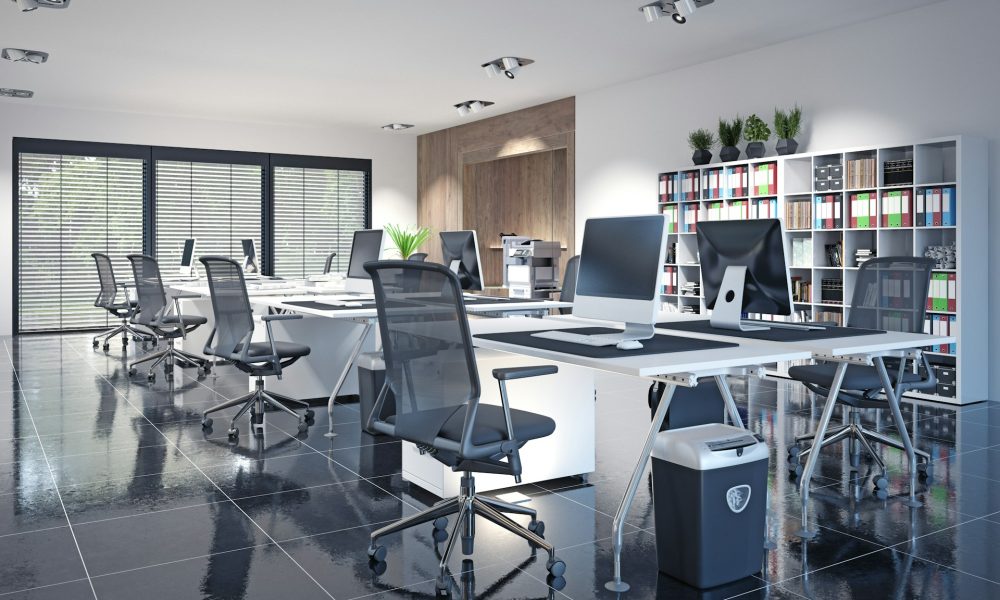
Designing an effective workspace is about more than just filling a room with desks and chairs. The furniture you select influences comfort, efficiency, and even employee morale. In 2025, as hybrid work models continue to shape professional life, companies and individuals are giving more thought to how their office environment can support productivity while also reflecting style and functionality.
Why Office Furniture Matters
The workplace has evolved into a hub that combines functionality with well-being. Poorly designed furniture can lead to physical strain, lower energy levels, and decreased focus. On the other hand, ergonomically designed chairs, adjustable desks, and well-organized storage create an environment where people can perform at their best.
Studies consistently show that comfort plays a direct role in productivity. For example, employees who are able to maintain good posture and adjust their workstations to their needs report fewer health problems and higher levels of engagement.
Ergonomics and Employee Well-Being
One of the leading trends in office furniture is ergonomics. Chairs and desks are no longer “one-size-fits-all.” Instead, adjustable features allow users to fine-tune their workspace to suit their body type and working style.
Ergonomic chairs in particular play a vital role. A high-quality chair supports the spine, encourages movement, and minimizes the risk of repetitive strain injuries. For businesses, investing in ergonomic seating is not just about comfort—it’s also a way to reduce absenteeism and long-term health costs.
Sustainability in Office Design
Sustainability has also become a defining feature of modern workplaces. More companies are seeking out furniture made from recycled or responsibly sourced materials. This approach aligns with corporate social responsibility initiatives while also appealing to employees who value eco-conscious practices.
In addition, sustainable office furniture often integrates modular designs that can be reconfigured as needs change. This flexibility extends the lifespan of furniture and reduces waste.
Balancing Style and Functionality
While comfort and sustainability are essential, the look of a workspace matters too. Furniture sets the tone of the office and can reflect a company’s identity. Minimalist designs, bold colors, and multi-purpose pieces are particularly popular for businesses that want to combine professionalism with creativity.
For example, open-plan offices benefit from furniture that creates distinct zones for collaboration and focused work. Comfortable lounge seating and modular desks can make transitions between tasks seamless while reinforcing the aesthetic of the workplace.
Where to Find Quality Furniture
With so many options available, choosing the right supplier is crucial. Platforms such as Yodolla provide a wide range of office furniture designed to meet the needs of businesses and home offices alike. Their collections combine practicality with modern style, making it easier to furnish a workspace that balances comfort, durability, and design.
For those outfitting larger spaces or looking for cost-effective upgrades, browsing an office chairs sale can be a smart move. High-quality chairs are often available at reduced prices, allowing companies to invest in ergonomic solutions without exceeding their budget.
The Role of Technology in Office Furniture
Another factor shaping the furniture industry is technology. Many modern desks now include built-in charging ports, cable management systems, and even height-adjustment mechanisms powered by apps. This integration supports the growing demand for connected workspaces and helps reduce clutter.
As remote and hybrid work continue, furniture designed to transition between home and office settings is in high demand. Compact, stylish desks and portable chairs are gaining popularity for people who want a professional setup without sacrificing living space.
Future Trends to Watch
Looking ahead, several trends are likely to dominate office design in the coming years:
Smart furniture: Integration with workplace apps to track usage and encourage healthy habits.
Biophilic design: Incorporating natural elements like wood, greenery, and organic shapes.
Collaborative spaces: More emphasis on flexible furniture for group projects and meetings.
Wellness features: Desks and chairs designed to promote movement throughout the workday.
Conclusion
The right office furniture does more than fill a room—it shapes the way people work, collaborate, and feel throughout the day. Ergonomics, sustainability, and thoughtful design are no longer optional; they’re essential elements of a productive workplace.
Whether outfitting a corporate office or setting up a home workspace, choosing furniture that supports health and efficiency is a worthwhile investment. With suppliers offering a diverse range of modern options, companies and individuals can create environments that foster productivity, reflect their values, and adapt to the evolving world of work.




