Travel

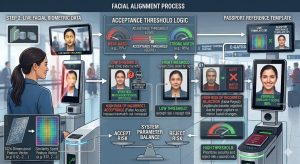
How Acceptance Thresholds Shape Automated Border Decisions
System settings balance the risk of accepting an incorrect facial match against the competing risk of rejecting a legitimate traveler, making threshold selection one
System settings balance the risk of accepting an incorrect facial match against the competing risk of rejecting a legitimate traveler, making threshold selection one
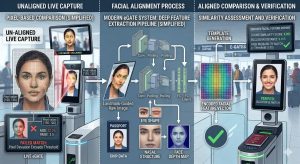
Modern systems analyze learned visual features to assess whether two photographs likely show the same person, allowing automated border technology to compare travelers with trusted
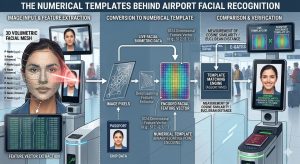
Adjustments for position, scale, and head angle help facial recognition systems compare a live airport Image with the portrait associated with a traveler’s passport, reducing
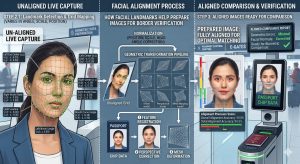
Features around the eyes, nose, and mouth can guide photo alignment before automated comparison, helping border systems reduce common differences in position, scale, and head
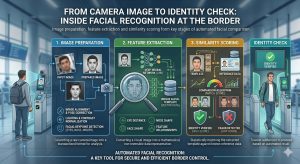
Image preparation, feature extraction, and similarity scoring form key stages of automated facial comparison. WASHINGTON, DC, October 5, 2026, When a traveler stands before
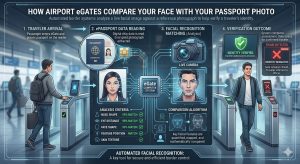
Automated border systems analyze a live facial Image against a reference photograph to help verify a traveler’s identity. WASHINGTON, DC, October 5, 2026, When an
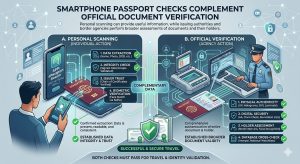
Personal scanning can provide useful information, while issuing authorities and border agencies perform broader assessments of documents and their holders. WASHINGTON, DC, October 5,

Users should review app permissions and data-handling policies before allowing software to process sensitive travel document information. WASHINGTON, DC, October 5, 2026, Smartphone applications

Differences in supported protocols, certificate resources, and software design can affect which checks an Application completes. WASHINGTON, DC, October 5, 2026, Two smartphone applications can
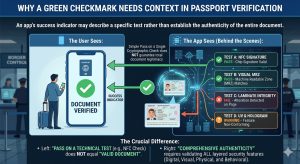
An app’s success indicator may describe a specific test rather than establish the Authenticity of the entire document. WASHINGTON, DC, October 5, 2026, A green

Claims of complete online invisibility overlook the broader evidence investigators can gather from a wanted person’s financial activity, devices, witnesses, and services. Washington, DC, October

Investigators may examine communications alongside financial records and other evidence, while distinguishing the legitimate use of privacy tools from conduct connected to criminal offenses. Washington,
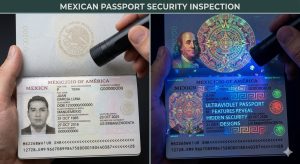
Fluorescent artwork and security fibers provide additional inspection evidence when examiners compare documents with the correct issuing-country specifications. Washington, DC, October 3, 2026 —
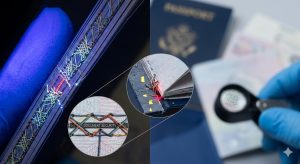
Security stitching and booklet construction offer clues when someone tries to remove, replace, or rearrange passport pages. Washington, DC, October 3, 2026 — Passport

How document materials, optical features, and cryptographic checks work together to help authorities detect alteration and verify travelers’ identities. Washington, DC, October 3, 2026

How document materials, optical features and cryptographic checks work together to help authorities detect alteration and verify travelers’ identities. Washington, DC, October 3, 2026

Thick or metal-containing accessories may disrupt communication between a smartphone and an electronic travel document. WASHINGTON, DC, October 2, 2026 — When a smartphone repeatedly
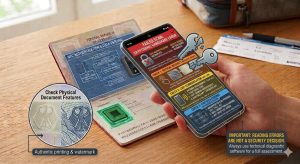
Reading errors require careful interpretation because technical problems can prevent access to an otherwise functioning chip. WASHINGTON, DC, October 2, 2026 — When a smartphone
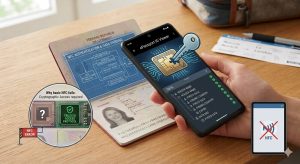
Specialized software handles document access protocols and interprets the structured identity information stored inside electronic passports. WASHINGTON, DC, October 2, 2026 — A smartphone may

Mobile checks can examine chip data and certain security features, but their results depend on the app’s capabilities and trusted certificate coverage. WASHINGTON, DC, October
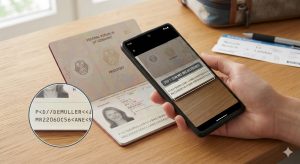
Compatible phones and specialized apps allow passport holders to inspect electronic identity information stored in their travel documents. WASHINGTON, DC, October 2, 2026 — Many
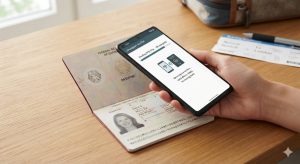
Combining physical inspection, electronic authentication, and holder verification helps address different forms of travel document misuse. WASHINGTON, DC, October 2, 2026 — A passport can

Accessing stored information is one step in a broader process involving digital signatures, physical features, and identity verification. WASHINGTON, DC, October 1, 2026 — Successfully
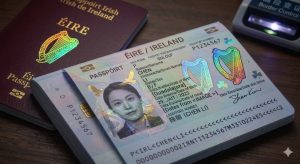
The machine-readable zone supports automated identity checks and can supply information used to establish secure chip access. WASHINGTON, DC, October 1, 2026 — The two
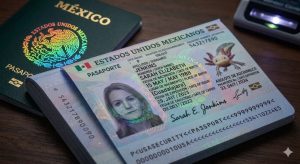
Access control protocols help protect chip information by requiring readers to establish an authorized connection. WASHINGTON, DC, October 1, 2026 — The contactless chip inside