
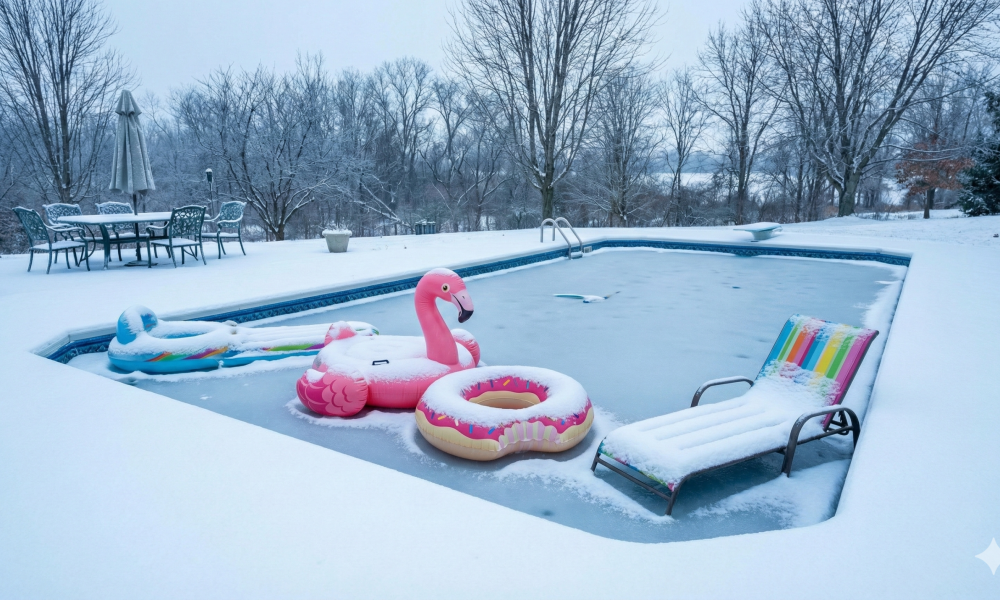
Pool floats provide hours of lounging and relaxation under the summer sun. But have you ever wondered how they fare when temperatures drop and winter’s icy grip takes hold?
This article explores whether pool floats can survive freezing cold conditions. Learn about the science behind these buoyant accessories and separate fact from fiction when it comes to their resilience in chilly weather.
What Are Pool Floats Made of?
Pool floats come in various shapes, sizes, and designs, but they are typically made from materials like vinyl, PVC (polyvinyl chloride), or a combination of these synthetic substances. These materials are chosen for their durability, buoyancy, and resistance to water, making them ideal for flotation devices designed to keep you afloat while you soak up the sun.
Vinyl, a type of plastic, is a popular choice for pool floats due to its flexibility and strength. PVC is known for its resistance to chemicals and sunlight, making it a common component in inflatable items like pool floats. These materials are specifically selected to withstand the wear and tear of pool use.
The Science Behind Freezing
To understand whether pool floats can freeze, you must first consider how temperature affects materials. As the mercury drops and winter sets in, substances undergo changes in their physical properties.
At a molecular level, cold temperatures cause materials to contract and become more brittle. This can impact the structural integrity of pool floats, potentially leading to cracks or tears.
Water, a key element in pool floats, plays a crucial role in determining their behavior in cold weather. As temperatures near freezing, water molecules begin to slow down and organize into a solid crystalline structure, leading to the formation of ice. For pool floats containing water, this freezing process can have detrimental effects on their ability to maintain shape and buoyancy.
Mythbusting: Can Pool Floats Actually Freeze?
There is a common misconception that pool floats are immune to freezing due to the nature of the materials they are made from. However, the truth is that pool floats can freeze when exposed to low temperatures.
While vinyl and PVC are resilient materials, extreme cold can push them beyond their limits, causing them to stiffen and become more prone to damage. The freezing point of water, often found inside pool floats to enhance stability, is a critical factor to consider.
When water within a pool float freezes, it expands, exerting pressure on the surrounding material. This expansion can lead to stretching or rupturing of the float’s surface, compromising its ability to hold air and stay afloat.
Best Practices for Cold Weather Care
As the winter freeze sets in, taking care of your pool floats becomes crucial to ensure they remain in top condition for the next swimming season. Taking these simple steps will ensure that your pool floats are ready for more sunny days ahead, keeping them in optimal shape for your future aquatic adventures.
Before storing your pool floats for the winter, ensure they are completely dry to prevent mold and mildew growth. Release air from the floats and fold them neatly to avoid creases or stress points that could weaken the material.
If possible, store your pool floats indoors in a cool, dry place to shield them from freezing temperatures and exposure to sunlight. It’s also important to keep your pool floats away from sharp objects or rough surfaces that could puncture or damage them.
Fun Alternatives for Winter Pool Float Usage
While pool floats are typically associated with warmer months, they don’t have to be put away once winter arrives. These versatile accessories can be repurposed in a variety of creative ways throughout the colder season.
For example, you can bring a bit of summer indoors by using pool floats as playful lounging pieces around the house. They can also double as unexpected winter décor, transformed into festive accents that add personality to your holiday setup.
For those eager to embrace the snow, pool floats can even be taken outside for lighthearted winter fun, such as sliding down gentle hills or serving as a makeshift sled. Indoors, they can be stacked or arranged to build a cozy fort, creating a fun play space for kids or a comfortable reading nook to enjoy during long winter days.
Keeping Your Pool Floats Happy and Healthy All Year Round
While pool floats are designed for summertime relaxation, they are not immune to the effects of freezing temperatures. Understanding the materials they are made of and the science behind freezing can help you better care for these accessories when the cold weather sets in.
By following best practices for cold-weather care and getting creative with alternative uses during winter, you can enjoy your pool floats year-round while ensuring their longevity and functionality. With a bit of care and creativity, your pool floats can bring joy and entertainment well beyond the summer season.




