
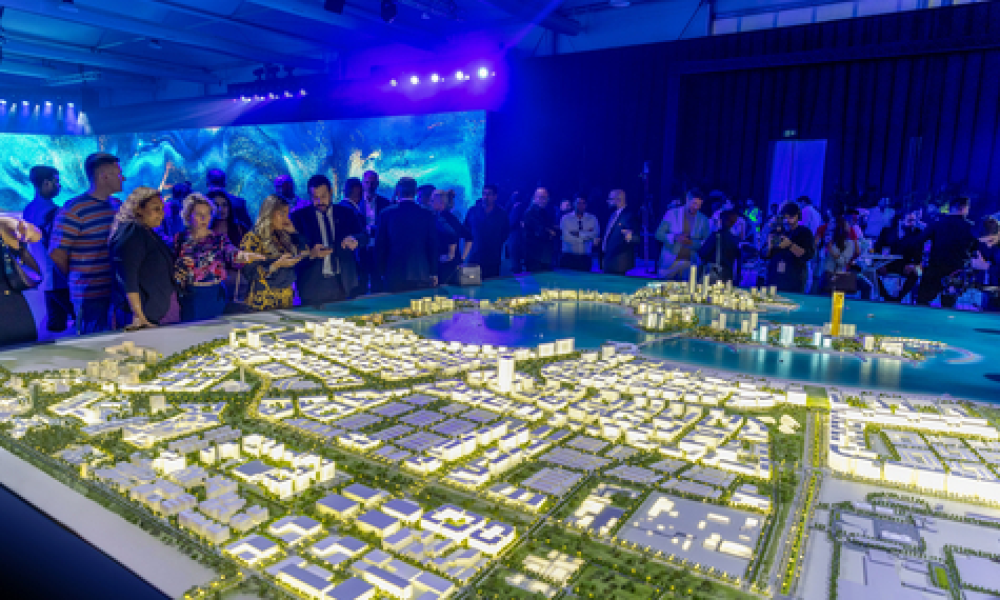
A massive mixed use waterfront destination marks a new chapter in the Emirate economic diversification efforts
The Northern Emirates are currently witnessing a period of unprecedented architectural and economic expansion, moving well beyond their historical roles as quiet coastal enclaves. At the center of this metamorphosis is Marjan, the master developer responsible for reshaping the shoreline of Ras Al Khaimah. The recently announced Marjan Beach project represents a sophisticated pivot in the region’s urban planning, moving toward a model that prioritizes long term residential stability alongside high capacity tourism. This development is not merely a construction project but a calculated move to solidify the Emirate’s position within the competitive Gulf Cooperation Council real estate market.
Redefining the Sovereign Real Estate Playbook The launch of Marjan Beach acts as a foundational pillar for the RAK Vision 2030, a strategic roadmap designed to reduce reliance on traditional industries and foster a globalized investment environment. By dedicating 85 million square feet to a multi phased masterplan, the developer is signaling to international markets that Ras Al Khaimah is ready to compete with established hubs like Dubai and Doha. The scale of the ambition is reflected in the projected population metrics, which anticipate a resident base of 74,000 people. This focus on permanent habitation suggests a desire to create a self sustaining ecosystem rather than a seasonal vacation spot, providing a counterpoint to the often transient nature of Gulf luxury developments.
The Multiplier Effect of Large Scale Waterfront Infrastructure From a technical standpoint, the project is designed to maximize the economic utility of its three kilometer beach frontage. The integration of 12,000 hotel keys and 22,000 residential units creates a dense, high value urban corridor that is expected to attract billions in foreign direct investment. This influx of capital is predicated on the idea of the lifestyle destination as an asset class. Investors are no longer looking for isolated luxury villas but are instead seeking integrated environments where proximity to offices, educational institutions, and leisure hubs ensures long term property value appreciation. The inclusion of an educational institution within the masterplan is particularly telling, as it addresses the infrastructure needs of a professional workforce and their families.
Strategic Geography and the Synergy of Proximity The placement of Marjan Beach is a masterclass in cluster based economic development. By situating the project near the upcoming Wynn Al Marjan Island and the established Ras Al Khaimah Economic Zone, the developers are creating a concentrated zone of commercial and hospitality activity. This proximity allows for a shared infrastructure benefit, where roadworks and utility upgrades serve multiple high value projects simultaneously. The connectivity to major highways further integrates the development into the broader national transport network, ensuring that while the destination feels like a secluded beach town, it remains functionally linked to the commercial centers of the United Arab Emirates.
Environmental Equilibrium as a Prerequisite for Luxury In an era where sustainable development is no longer optional for institutional investors, Marjan Beach has allocated 6.5 million square feet to open green spaces. This decision reflects a sophisticated understanding of modern luxury, where value is derived from the balance between built environments and natural landscapes. By creating eight distinct neighborhoods, the masterplan avoids the monotony of traditional high rise developments, instead offering a varied urban fabric that emphasizes wellbeing and pedestrian accessibility. This focus on green lungs within a high density project serves a dual purpose: it enhances the aesthetic appeal for high net worth residents and satisfies the increasing global demand for environmentally conscious urban design.
Employment and the Transformation of the Local Labor Market The economic impact of the project extends deep into the local labor market, with an anticipated workforce of 32,000 required to operate the various hospitality, retail, and corporate sectors within the development. This scale of job creation is a vital component of the Emirate’s social and economic evolution. As the project matures, it will likely serve as a catalyst for ancillary industries, from logistics to professional services, further diversifying the regional economy. The transition from a tourism gateway to a full scale residential and commercial hub represents a significant step in the maturation of Ras Al Khaimah as a global destination.
Future Outlook for the Northern Emirates Investment Landscape As the project progresses, the broader implications for the Middle Eastern real estate market will become clearer. Marjan Beach is a bellwether for how smaller Emirates can leverage their natural assets to create unique value propositions that differ from the high octane growth of their neighbors. The focus here is on a wholesome, sustainable, and integrated lifestyle that appeals to both the global investor and the regional resident. More information on these strategic initiatives can be found through the official channels of Marjan as they continue to lead the development of freehold properties in the region. The success of this beach town destination will likely set the benchmark for waterfront living in the GCC for the next decade.



