
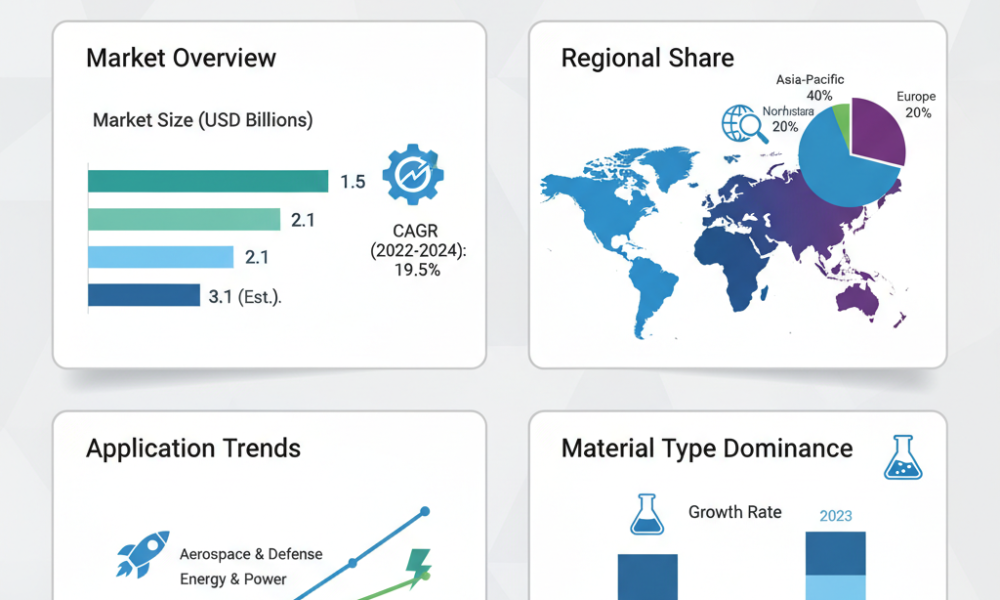
The global cryogenic insulation films market is entering a phase of accelerated growth, driven by surging demand for ultra-low-temperature insulation in liquefied natural gas (LNG), aerospace, biotechnology, and energy storage industries. The market, valued at USD 3.5 billion in 2025, is projected to reach USD 5.6 billion by 2035, registering a CAGR of 4.6 % during the forecast period.
Key Market Insights at a Glance
- Market value in 2025: USD 3.5 billion
- Expected value by 2035: USD 5.6 billion
- CAGR (2025–2035): 4.6 %
- Key growth drivers: LNG infrastructure expansion, aerospace demand, and energy-efficient material innovation
- Sustainability and circular economy principles are becoming core to product design and manufacturing
The market’s upward trajectory is underpinned by the growing need for efficient cryogenic storage and transportation materials capable of maintaining structural integrity at temperatures below –150°C. As global demand for LNG and liquid hydrogen rises, insulation films are proving vital for preventing thermal leakage, improving operational safety, and optimizing energy use.
Segment Overview
Cryogenic insulation films are categorized based on material type, end-use industry, and thickness. Materials such as multi-layer polymer films, aerogel composites, and advanced reflective laminates dominate the landscape due to their exceptional thermal resistance and lightweight characteristics.
Key application segments include:
- LNG & Industrial Gas Storage: The largest segment, driven by rising global LNG trade and storage needs.
- Aerospace & Defense: Increasing spacecraft launches and cryogenic fuel systems are boosting adoption.
- Healthcare & Biotechnology: Growing demand for cryogenic storage of vaccines, biological materials, and medical gases.
- Energy & Electronics: Emerging use in superconducting systems and hydrogen energy infrastructure.
Sustainability has emerged as a critical differentiator, with manufacturers developing recyclable and low-emission films using bio-based polymers and reduced energy production methods.
Regional Overview
North America leads the global market, supported by established LNG infrastructure, defense spending, and a robust aerospace sector. The region accounts for a significant share of demand due to stringent insulation performance standards and high investments in energy-efficient materials.
Europe follows closely, with sustainability regulations and advancements in cryogenic technology encouraging widespread adoption. The European Green Deal’s emphasis on energy efficiency and reduced carbon emissions is accelerating film innovation across industrial and transportation applications.
Asia-Pacific is expected to witness the fastest growth at a projected CAGR of around 6.8 %, fueled by expanding LNG terminals, rapid industrialization, and aerospace advancements in countries like India, China, and South Korea. Localization of manufacturing and joint ventures between regional producers and global suppliers are driving cost competitiveness and product diversity.
Competitive Landscape
The cryogenic insulation films market remains moderately consolidated, with leading players accounting for nearly half of global revenues. Major participants include Saint-Gobain, CryoWorks, BASF SE, Aspen Aerogels, Dunmore Corporation, and Polyplex.
These companies are focusing on material science innovation, lightweight product design, and strategic collaborations to meet growing industry needs. Tier 2 and emerging players are also gaining traction by targeting niche applications and offering cost-effective, customized solutions.
Recent Strategic Developments
- Saint-Gobain launched next-generation aerogel-based insulation films offering superior thermal efficiency and reduced weight.
- CryoWorks introduced ultra-light cryogenic films optimized for LNG transport and storage tanks.
- BASF SE expanded its multi-layer insulation solutions portfolio to support aerospace and energy sectors.
- Aspen Aerogels unveiled sustainable, recyclable insulation films designed for long-term energy storage systems.
These developments highlight the industry’s strategic shift toward performance, sustainability, and cost optimization.
Market Outlook: Powering the Next Decade
Over the next ten years, the cryogenic insulation films market will play a pivotal role in enabling global energy transition and technological innovation. The ongoing expansion of LNG and hydrogen infrastructure, alongside advancements in aerospace and biotechnology, is expected to drive sustained demand.
Manufacturers investing in low-emission production, advanced material R&D, and regional supply-chain resilience will be best positioned to capture emerging opportunities. By 2035, as global industries push toward net-zero emissions and energy efficiency, cryogenic insulation films will stand as a cornerstone technology powering sustainable progress.
To access the complete data tables and in-depth insights, request a sample report here: https://www.futuremarketinsights.com/reports/sample/rep-gb-9054
Full Market Report Available for Delivery. For Purchase or Customization, Please Request Here: https://www.futuremarketinsights.com/checkout/9054
Have a specific Requirements and Need Assistant on Report Pricing or Limited Budget please contact us – [email protected]
About Future Market Insights (FMI)
Future Market Insights, Inc. (FMI) is an ESOMAR-certified, ISO 9001:2015 market research and consulting organization, trusted by Fortune 500 clients and global enterprises. With operations in the U.S., UK, India, and Dubai, FMI provides data-backed insights and strategic intelligence across 30+ industries and 1200 markets worldwide.



