
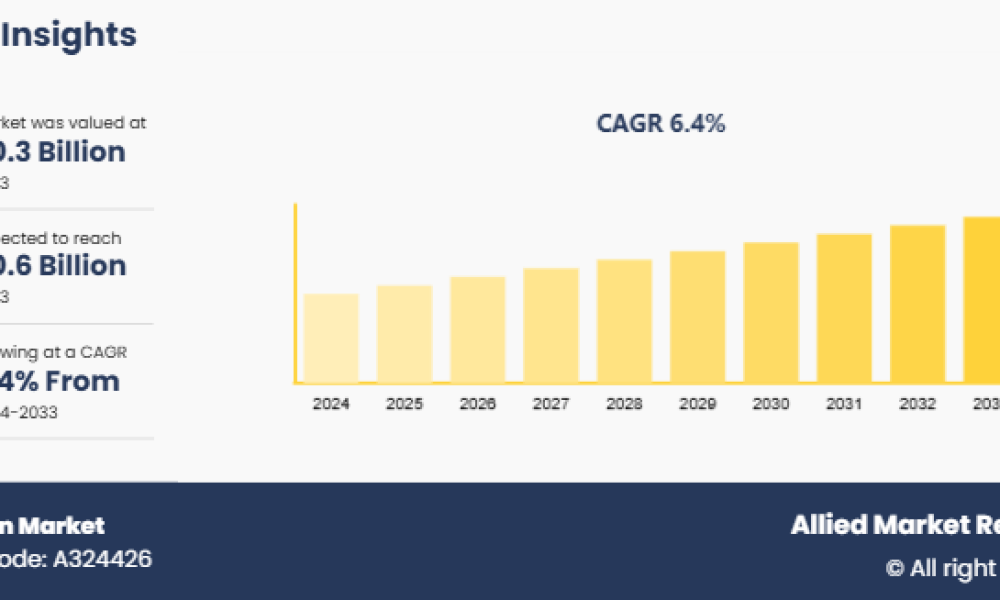
The global glucagon market, valued at $0.3 billion in 2023, is on a strong growth trajectory and is projected to reach $0.6 billion by 2033, advancing at a CAGR of 6.4% from 2024 to 2033. This upward trend reflects the rising global burden of diabetes, increased awareness of hypoglycemia management, and technological innovations in glucagon delivery systems.
Understanding Glucagon and Its Role in Healthcare
Glucagon is a peptide hormone secreted by the pancreas that plays a critical role in glucose homeostasis. Acting as a counter-regulatory hormone to insulin, it triggers the liver to release glucose into the bloodstream by breaking down glycogen stores and initiating gluconeogenesis.
Therapeutically, glucagon is a life-saving intervention in severe hypoglycemia, particularly among people with diabetes using insulin or certain oral medications. In addition, glucagon is applied in diagnostic procedures and shows potential in managing conditions such as cardiogenic shock. Its role in emergency medicine underscores why wider adoption and accessibility are essential for healthcare systems worldwide.
Get a Sample Copy of this Report: https://www.alliedmarketresearch.com/request-sample/A324426
Key Drivers of Market Growth
Several forces are accelerating demand for glucagon worldwide:
Rising prevalence of diabetes – The International Diabetes Federation (IDF) projects that by 2030, diabetes cases will rise dramatically across major countries:
U.S.: 34.7 million cases
India: 92.9 million cases
UK: 4.1 million cases
Spain: 5.5 million cases
This surge will directly increase the risk of hypoglycemia among patients, fueling demand for accessible glucagon therapies.
Technological advancements in delivery methods – Recent innovations such as autoinjectors and nasal glucagon sprays have made administration easier and safer for both patients and caregivers. These user-friendly formats are improving compliance and encouraging greater adoption.
Expanding clinical applications – Beyond diabetes care, glucagon is gaining attention in diagnostics and emergency medicine. Such diversification of use cases will contribute to steady market expansion.
Rising awareness and education – Growing public and medical community understanding of hypoglycemia management is driving both prescriptions and over-the-counter demand in certain markets.
Challenges Hindering Growth
Despite these favorable trends, the glucagon market faces several challenges:
High treatment costs – Pricing barriers continue to limit adoption, especially in developing countries where healthcare budgets are constrained.
Side effects – Nausea and vomiting remain the most common adverse reactions, which may reduce patient acceptance.
Storage requirements – Traditional glucagon formulations require temperature-sensitive logistics, which complicates distribution in resource-limited settings.
Limited awareness in emerging markets – In many low- and middle-income countries, knowledge of hypoglycemia and access to emergency glucagon remains minimal.
Emerging Opportunities
While challenges persist, significant opportunities lie ahead:
Next-generation formulations – Development of stable glucagon analogues with fewer storage restrictions will expand market reach.
Government health initiatives – Programs supporting diabetes management and emergency preparedness in countries like India and China are expected to create robust demand.
Digital integration – Pairing glucagon devices with digital health platforms and glucose monitoring systems could provide holistic solutions for patient safety.
Regional Outlook
The glucagon market demonstrates varied growth trends across regions:
North America – Currently the largest market, driven by high diabetes prevalence, advanced healthcare infrastructure, and early adoption of innovative therapies. The U.S. continues to lead due to strong awareness and insurance coverage.
Europe – Countries such as Germany, France, and the UK are significant contributors, supported by government-backed diabetes management programs.
Asia-Pacific – Expected to register the fastest growth. India and China, with their soaring diabetes populations and improving healthcare access, are central to future market expansion.
Latin America & Africa – Growth potential exists, but adoption is constrained by affordability challenges and limited awareness.
Industry Trends and Developments
Industry players are actively reshaping the glucagon landscape through partnerships, divestments, and regulatory approvals:
UnitedHealthcare (2023) eliminated out-of-pocket costs for select life-saving medications, including glucagon, signaling a shift toward affordability and accessibility.
Zealand Pharma (May 2024) received a positive EMA opinion for dasiglucagon solution for injection, extending glucagon therapy to children and adolescents.
Amphastar Pharmaceuticals (April 2023) acquired BAQSIMI, the first and only nasally administered glucagon, from Eli Lilly, strengthening its presence in emergency medicine.
These developments illustrate the industry’s focus on innovation, accessibility, and global expansion.
Competitive Landscape
The global glucagon market is moderately consolidated, with major players including:
Novo Nordisk A/S
Fresenius SE & Co. KGaA
Xeris Biopharma Holdings, Inc.
Amphastar Pharmaceuticals, Inc.
Zealand Pharma A/S
United Biotech (P) Limited
Taj Pharmaceuticals Limited
These companies are investing heavily in R&D, product launches, and strategic collaborations to strengthen their market positions.
Outlook: A Growing Market at the Heart of Diabetes Care
The next decade will be transformative for the glucagon market. With diabetes prevalence rising globally, governments, healthcare providers, and industry leaders are recognizing the urgency of improving hypoglycemia management.
The combination of technological advancements, policy support, and increasing patient awareness will fuel market expansion, particularly in emerging economies. However, affordability and access will remain key factors in ensuring equitable growth across regions.
Conclusion
As the global healthcare landscape shifts toward better chronic disease management, glucagon stands out as a critical life-saving intervention. With the market expected to double in size by 2033, stakeholders in the pharmaceutical industry, healthcare systems, and patient advocacy groups have a unique opportunity to drive innovation, improve accessibility, and save lives.
The future of the glucagon market lies in delivering safer, smarter, and more affordable solutions—empowering patients and caregivers to manage hypoglycemia with confidence.




