
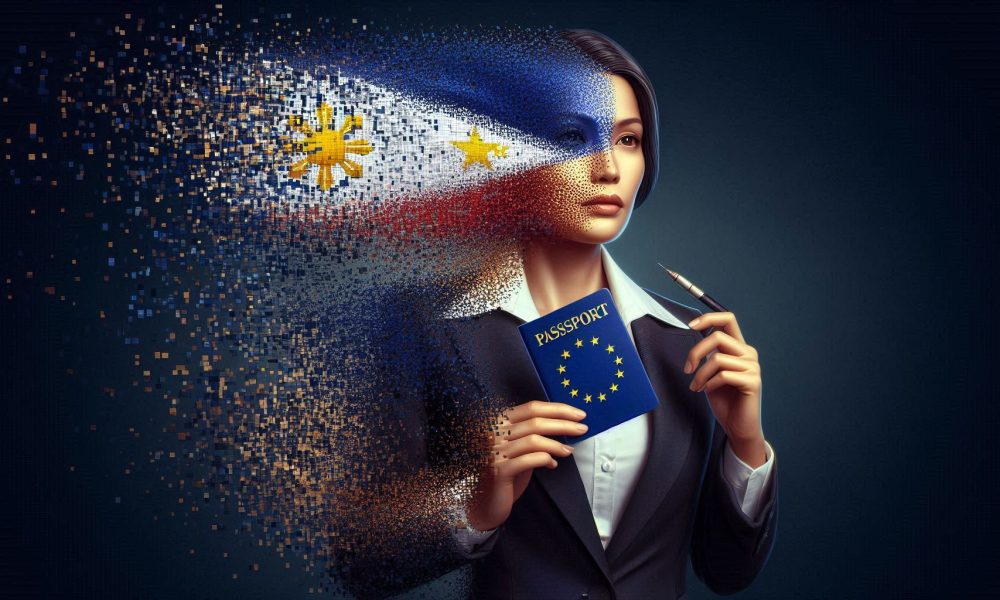
TORONTO, August 4, 2025 — In a world where reputations are archived indefinitely and digital traces are nearly impossible to erase, a legal name change is no longer a symbolic act—it’s a survival strategy. Whether pursued for reasons of personal safety, political asylum, financial reinvention, or emotional autonomy, the legal act of changing one’s name has become a global phenomenon. And increasingly, the savviest individuals are turning not to their home countries, but to international jurisdictions to make those changes permanent, private, and secure. At the center of this legal evolution is Amicus International Consulting, a firm that specializes in helping clients navigate the complexities of identity transformation across borders. Their approach, grounded in legality and layered with international privacy law, ensures that clients aren’t just changing names—they’re reclaiming control over their lives, rights, and futures.
Why Name Changes Are No Longer Just Local Affairs
Traditionally, name changes have been handled at the local level. A court petition, a publication notice, and a nominal fee were once sufficient. But in 2025, local solutions often fail to deliver true privacy. Most jurisdictions still require that name changes be published in public registries or newspapers. In some countries, the change must be justified through marriage, divorce, or religious conversion. Worse still, some bureaucracies notify financial institutions and government agencies about the former name, creating a lasting digital breadcrumb trail. For many clients—especially those escaping abusive situations, political persecution, or high-profile controversies—these systems offer no real protection. They want anonymity. They want distance. They want to start over. And to do that, they need international legal structures that support their right to be someone new.
What It Means to Change Your Name Internationally
Changing your name internationally involves more than filing paperwork. It requires legal coordination between jurisdictions, cross-border compliance, and an understanding of how different nations interpret identity. A client might change their name in one country, acquire a passport under that new name in another, and live in a third nation that respects sealed records and non-disclosure. Amicus helps clients build that ecosystem. Their international name change model typically involves: legal name change in a privacy-protecting jurisdiction; new identification documents (birth certificate, tax ID, driver’s license); second citizenship or residency aligned with the new name; digital erasure of the former identity through GDPR requests and data broker removals; and reissuance of credentials—academic degrees, licenses, financial records—under the new identity. Each case is custom-built, legally sound, and designed to ensure the former name cannot be easily tied to the new one.
Case Study: From Courtroom to Clean Slate
In 2023, a 42-year-old attorney from California approached Amicus after a decade-old case in which she defended a controversial figure resurfaced online, drawing unwanted media attention. Despite her lack of wrongdoing, her name became associated with reputational fallout. She lost clients, faced online harassment, and struggled to rebuild. Amicus guided her through a name change in Quebec, a jurisdiction that allows sealed records for safety and reputational risk. Next, she applied for and obtained citizenship by descent in Italy, using her maternal lineage. With a new Italian passport under her new name, she relocated to Malta and launched a boutique legal practice focused on international arbitration. Her former name has been delisted under GDPR across EU search engines, and her professional licenses were reissued under her new identity. Today, she operates free from stigma, her legal rights intact and her privacy restored.
Privacy-Friendly Jurisdictions for Name Changes
While laws vary globally, certain jurisdictions are preferred for clients seeking discreet, secure, and legally robust name changes. These include: Quebec (Canada) – allows sealed name changes in cases involving abuse, harassment, or reputational harm; Portugal – permits administrative name changes under cultural, safety, or personal reasons with limited disclosure; Panama – judicial name changes are legal and can be paired with second citizenship or foundation creation; Georgia – fast and discreet name change process; documentation can be used for EU travel visas and legal restructuring; Dominica and Antigua – second citizenship programs allow full reissuance of identification under the new name, with no automatic information exchange. These jurisdictions provide the legal flexibility, administrative protection, and international recognition needed to make a name change truly effective.
Name Change and Second Citizenship: A Powerful Combination
While a domestic name change can offer some protection, it rarely stands alone. The most secure anonymity structures come from combining a legal name change with second citizenship. A second passport under a new name enables international banking, global mobility, and asset protection under a completely separate identity layer. Amicus clients typically pursue citizenship through: Descent – for clients with European, Latin American, or Caribbean ancestry; Investment – through programs in St. Kitts & Nevis, Dominica, Malta, and others; Residency – through Golden Visas or Friendly Nations Visas in Portugal, Panama, or Uruguay. Once the new citizenship is issued, clients receive new identity documents and can begin transferring financial accounts, real estate titles, and corporate ownership records into the new identity. The former identity can then be decommissioned legally, its digital trail minimized.
Case Study: The Reborn Executive
A former CEO of a marketing firm in Australia fell into public disrepute after leaked internal memos, taken out of context, sparked social media outrage. Though he was never formally charged with misconduct, his name became unsearchable without scandal. Amicus helped him legally change his name in Georgia, where court records are sealed unless criminal activity is involved. He then applied for Investment citizenship in St. Lucia, where he obtained a new passport within 120 days. His Australian tax ID and bank accounts were closed, and a new financial structure was opened in Switzerland under his St. Lucian credentials. With new online presence and business activity launched under the rebranded identity, he re-entered the corporate world consulting for multinational clients. His reputation is now based on performance, not past controversy.
Digital Hygiene and the “Right to Be Forgotten”
A successful name change is meaningless if the internet continues to associate the new name with the old one. Amicus employs advanced digital hygiene strategies to complete the transformation. This includes: filing GDPR “Right to be Forgotten” requests with search engines, news outlets, and aggregators; contacting data brokers to remove archived personal information; scrubbing metadata from online photos and publications; shutting down legacy social media and email accounts; replacing phone numbers and domain names linked to the old identity. Clients are also migrated onto secure digital infrastructure, including encrypted communication platforms (like ProtonMail, Signal, or Threema), and privacy-first browsers. The goal is not just legal reinvention—but digital disappearance.
Multiple Names, Multiple Legal Lives
While some clients want to leave a name behind forever, others need multiple legal identities for different purposes. Amicus assists clients in building multi-name structures, where one legal identity is used for professional work and another for personal affairs. This is entirely legal in jurisdictions where dual citizenship, alias registration, or corporate proxies are allowed. For example, a dual citizen may use their Canadian identity for travel and tax purposes, while conducting business through their Dominican corporate entity under a different legal name. These structures are beneficial for high-risk individuals, political dissidents, or clients who operate in sensitive industries.
Case Study: Dual Identity for Safety and Freedom
A female journalist from Lebanon writing on government corruption faced ongoing death threats. Amicus helped her obtain asylum-based residency in Uruguay, where she legally changed her name. She retained her Lebanese identity for family-related matters but used her new Uruguayan name and passport for travel, publishing, and professional engagements. Her payments are routed through a privacy-respecting corporate trust. This dual structure allows her to maintain family ties while protecting herself from retaliation. Her new identity is recognized internationally, and her work continues under complete pseudonymity.
The Emotional Impact of Name Change
While legal anonymity is empowering, Amicus recognizes the emotional complexity involved. For some clients, changing their name is an act of liberation. For others, it is a painful necessity. That’s why Amicus provides reintegration support, including access to psychologists and trauma-informed counselors familiar with identity transitions. Clients are guided through the emotional process of letting go of a name tied to pain, shame, or risk—and embracing a future where they can define themselves on their terms.
Why This Is Legal—And Ethical
Amicus operates strictly within the law. All name changes, citizenship acquisitions, and identity transitions are documented, compliant with international treaties, and verifiable. The firm does not assist with evasion of criminal prosecution, tax fraud, or document falsification. The goal is not deception—but protection. For clients fleeing domestic abuse, political persecution, or reputational ruin, the right to change one’s name and identity is a human right—not a loophole. In an age where your name can follow you forever, legal anonymity is the last remaining tool for a genuinely new beginning.
A Growing Global Movement
As data becomes currency and names become liabilities, the legal name change industry is undergoing a global transformation. Governments are updating laws, courts are acknowledging privacy risks, and international treaties are slowly recognizing the right to be forgotten. Amicus International Consulting stands at the forefront of this evolution. With legal advisors in more than 30 countries, and partnerships with privacy engineers, digital scrubbers, and international notaries, the firm offers full-spectrum identity transformation.
Conclusion: A Name Is Not a Life Sentence
In a world that demands total transparency, choosing a new name is one of the most radical acts of self-determination. Whether escaping danger or seeking dignity, clients turn to Amicus to make that change real, lawful, and permanent. With careful planning, cross-border legality, and digital hygiene, second names become first rights—and with them, the freedom to begin again.
Contact Information
Phone: +1 (604) 200-5402
Email: [email protected]
Website: www.amicusint.ca




