
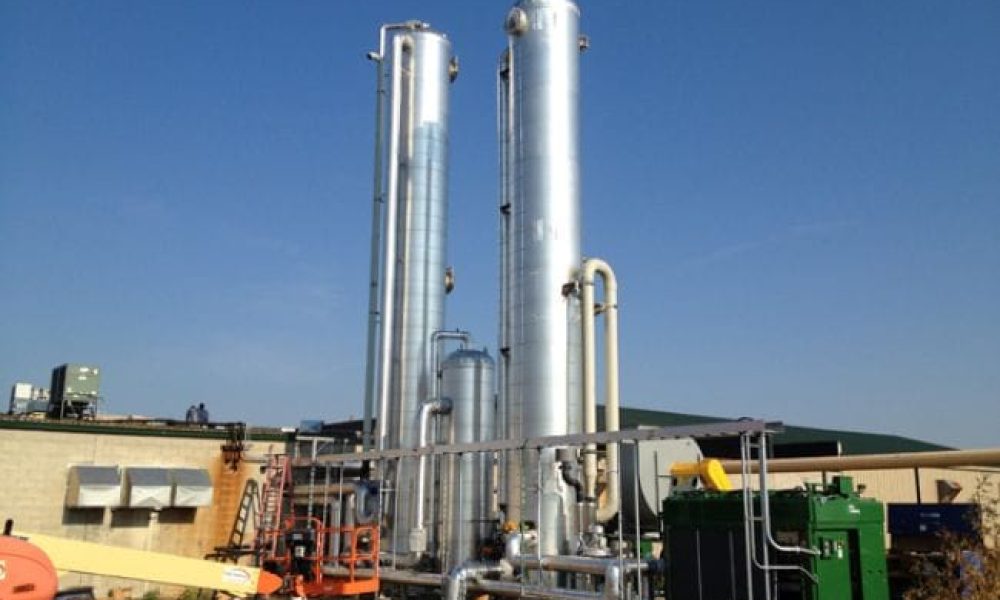
In today’s ever-changing energy landscape, achieving energy resilience is vital. Natural gas plays a significant role in the energy industry, and gas restoration is crucial for maintaining a reliable and resilient energy system. This post explores the importance of gas restoration, its growing demand, and the trends.
- The Growing Demand for Gas Restoration Services:
Gas restoration services are increasingly in demand worldwide due to aging infrastructure, natural disasters, and accidents. Disruptions in gas supply can lead to economic losses and threaten public safety. Swift restoration ensures minimal downtime and reduces the negative impacts of interruptions. Gas restoration experts possess the skills and expertise to assess, repair, and restore gas systems efficiently, safeguarding energy supply and preventing prolonged disruptions.
- Technological Innovations Transforming Gas Restoration:
Advancements such as drone inspections, robotic repairs, and remote monitoring systems have revolutionized gas restoration. Drone inspections provide quick and accurate assessments of damaged infrastructure, even in challenging terrains. Robotic repairs enable remote and precise interventions, enhancing worker safety. Remote monitoring systems use real-time data to detect anomalies and provide early warning systems for potential issues. These technologies streamline the restoration process, reducing downtime and improving safety.
- Environmental Considerations and Sustainable Gas Restoration:
Gas leaks can have significant environmental consequences, including greenhouse gas emissions and harm to ecosystems. Swift and effective gas restoration minimize these impacts. The use of renewable natural gas (RNG) and biogas during restoration offers sustainable alternatives. RNG, produced from organic waste, reduces reliance on fossil fuels and supports the circular economy. Biogas, derived from anaerobic digestion, provides a renewable energy source with reduced emissions. Adopting carbon capture and storage (CCS) technologies mitigates the environmental impact of gas restoration activities.
- Policy and Regulatory Frameworks for Gas Restoration:
Effective policies and regulations are crucial for timely and efficient gas restoration. Governments and regulatory bodies establish standards, guidelines, and incentives for industry stakeholders to prioritize gas restoration. Collaborative approaches between policymakers, gas companies, and relevant organizations ensure the development of comprehensive strategies that balance energy security, environmental protection, and public safety. Policymakers face the challenge of aligning gas restoration practices with broader energy transition goals.
- Training and Skilled Workforce:
Gas restoration requires a well-trained and skilled workforce. Investing in training programs and ongoing professional development ensures technicians have the expertise to handle restoration projects effectively. By promoting a skilled workforce, we enhance the speed and quality of gas restoration, contributing to overall energy resilience.
- Public Awareness and Safety Education:
Raising public awareness about gas safety and the importance of reporting gas leaks promptly is crucial. Educating communities about the potential risks associated with gas disruptions and the proper actions to take can prevent accidents and minimize damage. By fostering a culture of safety and proactive reporting, we improve response times during gas restoration efforts.
- Collaboration with Stakeholders:
Successful gas restoration requires collaboration among various stakeholders, including gas companies, emergency responders, local authorities, and the community. Building strong partnerships and establishing communication channels ensures a coordinated response and efficient restoration process. Engaging stakeholders in planning, preparation, and decision-making fosters shared responsibility for energy resilience and strengthens the overall effectiveness of gas restoration efforts.
- The Future of Gas Restoration:
The future lies in predictive maintenance, digital twinning, and integration with renewable energy systems. Predictive maintenance uses data analytics to identify potential failures and optimize maintenance schedules proactively. Digital twinning creates virtual replicas of gas infrastructure, allowing for the simulation and analysis of restoration scenarios. Integration with renewable energy systems, such as combined heat and power plants and hydrogen infrastructure, creates more robust and versatile energy networks.
Conclusion:
Gas restoration plays a vital role in achieving energy resilience. By addressing the growing demand, you can enhance the efficiency, safety, and effectiveness of gas restoration. These efforts, combined with advancements in technology, sustainable practices, and supportive policies, pave the way for a resilient energy future that ensures a reliable gas supply, minimizes environmental impact, and prioritizes public safety.




