
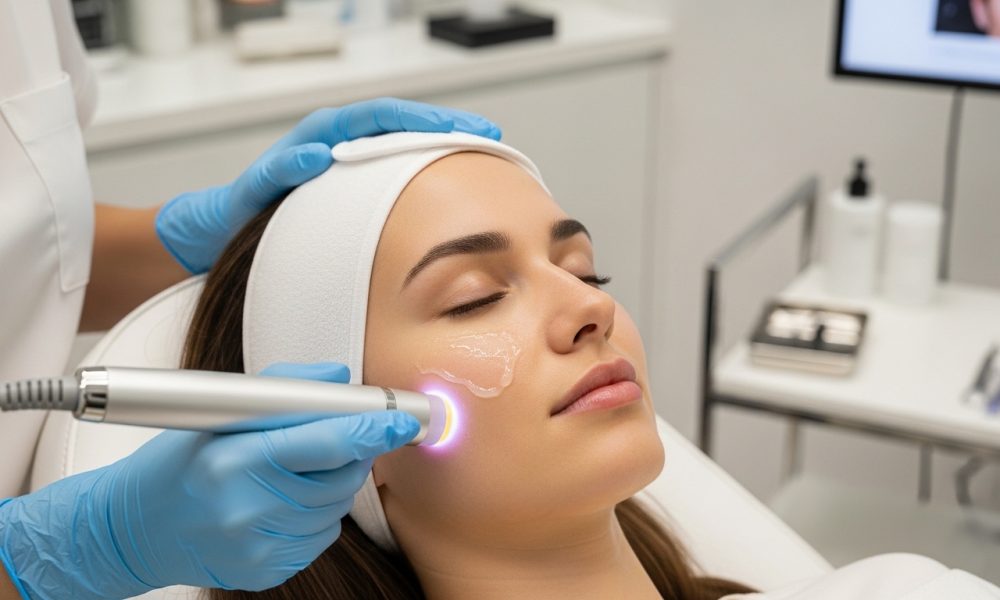
Choosing an aesthetic treatment is rarely an impulse decision. Most people want reassurance, clarity and a sense that their concerns are genuinely understood before committing to any procedure. This is why expectations around professionalism, safety and communication are often higher when researching beauty clinics in the Cotswolds, where clients typically value expertise and trust just as much as visible results.
Aesthetic treatments sit at the intersection of wellbeing and appearance. As a result, people tend to assess clinics using a broader set of criteria than they might for other beauty services. Understanding these priorities helps explain why some clinics inspire confidence immediately, while others struggle to convert enquiries into bookings.
Qualifications and Practitioner Experience
One of the first considerations for many clients is who will be carrying out the treatment. People want to know that practitioners are properly trained, experienced and confident working with a range of faces and skin types. Qualifications alone are not enough, as clients also look for evidence of practical experience and a clear understanding of facial balance and anatomy.
Experience becomes especially important when treatments involve injectables or advanced skincare procedures. Clients often feel more at ease when practitioners can explain not only what they recommend, but also why it is suitable for their individual features. This depth of knowledge reassures clients that decisions are being made thoughtfully rather than routinely.
The Importance of a Thorough Consultation
Consultations play a major part in building trust. Many people value clinics that take time to listen, ask relevant questions and manage expectations clearly. A good consultation feels like a conversation rather than a sales pitch, allowing clients to discuss concerns openly without feeling rushed.
Personalised assessment helps clients feel seen rather than processed. When practitioners explain options clearly, outline potential outcomes and address concerns honestly, clients are more likely to feel comfortable proceeding. This approach also supports better results, as treatments are planned with individual goals in mind rather than based on trends.
Many clients also look for clear suitability checks, including questions around medical history, allergies, pregnancy, medication use and previous treatments. When a clinic takes these details seriously, it signals a careful, responsible approach. People tend to appreciate when practitioners are comfortable advising against a treatment if it is not appropriate, as this builds confidence that safety comes before sales.
Environment, Cleanliness and Professional Standards
The clinic environment strongly influences first impressions. Clean, calm and well organised spaces suggest attention to detail and professionalism. Clients often associate these qualities with higher standards of care and safety, particularly when treatments involve medical-grade equipment or products.
Professional standards extend beyond appearance. Clear consent processes, transparent aftercare guidance and structured appointment systems all contribute to a sense of reliability. When these elements are present, clients feel reassured that their wellbeing is taken seriously at every stage.
Smaller details often matter more than people expect. Simple practices such as explaining hygiene measures, using sealed or single-use items where relevant, and documenting treatment plans can make clients feel more comfortable. Clinics that provide written aftercare instructions and realistic guidance on recovery time also tend to reduce anxiety, particularly for first-time clients who are unsure what is normal in the days following treatment.
Realistic Outcomes and Honest Communication
Many clients actively seek practitioners who communicate honestly about what treatments can and cannot achieve. Overpromising results can create discomfort or distrust, whereas realistic guidance helps set appropriate expectations from the outset.
People often respond positively to clinics that prioritise subtle, natural-looking results rather than dramatic changes. This preference reflects a wider shift toward treatments that enhance existing features rather than alter them significantly.
Trust Over Trends
Ultimately, people choosing aesthetic treatments tend to prioritise trust over trends. While social media may introduce new ideas, long-term confidence comes from knowing that decisions are based on expertise and individual assessment rather than popularity.
When clinics focus on practitioner skill, thoughtful consultation and clear communication, clients feel supported rather than pressured. These factors shape positive experiences that extend well beyond the treatment itself, encouraging confidence, comfort and lasting satisfaction.
If you tell me where you’re pasting it (WordPress block editor, Wix, Google Docs, etc.), I’ll format it specifically for that so it carries across perfectly.




