
Vinyl bay windows residential homes gain from are among the most impactful window upgrades available — adding natural light, architectural interest, and a sense of expanded interior space that standard flat windows simply can’t achieve. But bay window installations are also more involved than standard window replacements, and understanding what the project actually entails before getting started is what ensures the finished result delivers everything the investment is supposed to provide rather than creating structural or performance problems that weren’t anticipated.
What Bay Windows and Bow Windows Actually Are
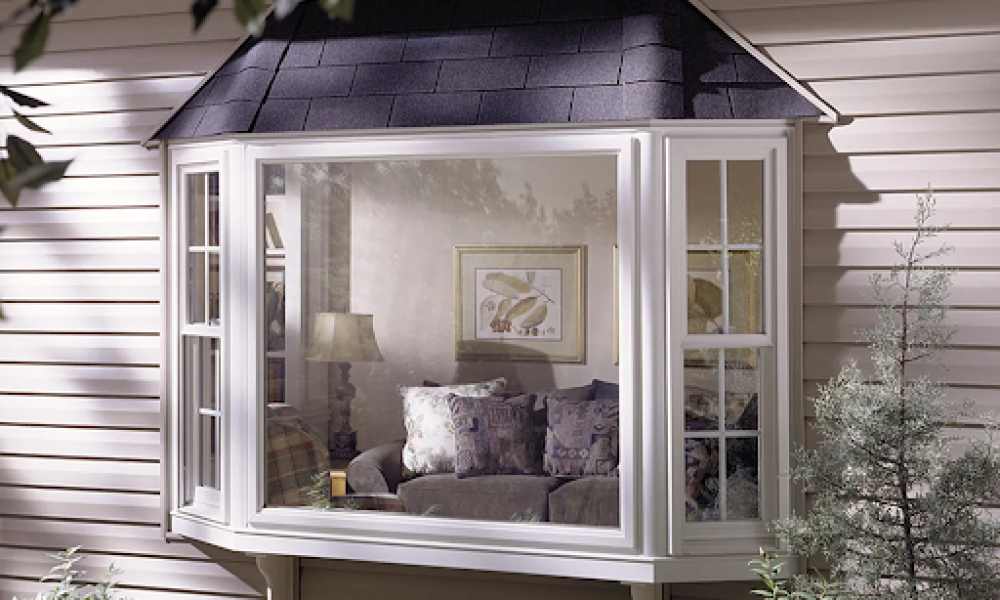
Bay windows and bow windows are related but distinct window configurations that are sometimes used interchangeably but differ in how they project from the wall plane and how they’re structured. A bay window typically consists of three panels — a larger center panel flanked by two angled side panels, most commonly at 30 or 45 degree angles from the wall — that project outward from the building to create a three-dimensional bump-out in the room interior.
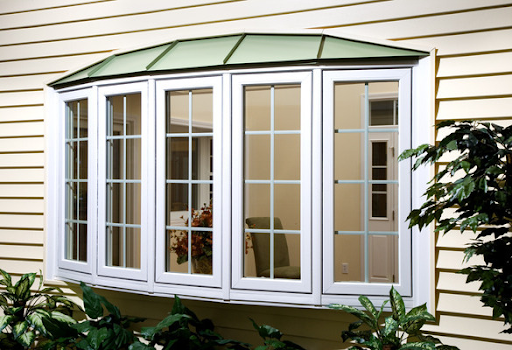
A bow window uses four or more panels of equal size arranged in a gentle curve, producing a more rounded projection than the angular geometry of a traditional bay. Bow windows tend to read as more formal and architectural from the exterior, while bay windows are more versatile across different home styles and scales.
Both configurations create interior space that didn’t exist before — the projection depth of a bay or bow window, typically 18 to 24 inches, creates a usable interior ledge or seat area that changes how the room functions as well as how it looks and feels in terms of light and spaciousness.
Structural Considerations That Matter
Bay and bow window installations are structurally more involved than standard window replacements because the projection requires support that the wall framing alone doesn’t provide. The weight of the window assembly — which for a quality vinyl bay window includes substantial glass area and a robust frame — needs to be transferred to the structure through a combination of knee walls, support brackets, or roof connections depending on the specific installation situation.
Getting the structural support right is the foundation that everything else in the installation depends on. A bay window that settles or shifts because the support was inadequate develops operational problems — panels that don’t open and close correctly, seal failures where the window meets the wall — that are expensive to correct after the fact. The structural assessment and any reinforcement required should be part of the project scope from the beginning rather than discovered as a problem after installation is underway.
Energy Performance in Angled and Curved Configurations
The energy performance of vinyl bay windows residential homes install is affected by the angled panels in ways that standard flat window installations aren’t. The corner joints where angled side panels meet the center panel and the wall are potential points of air infiltration that require careful sealing and flashing — points where the geometry makes water management and air sealing more complex than at a standard flat window opening.
Energy efficient vinyl windows specified for bay configurations need to address both the performance of the individual glass panels and the performance of the overall assembly including those corner joints. The glass packages available for bay windows include the same Low-E coating and gas fill options as standard replacement windows, which means the center and side panels can deliver comparable thermal performance to standard windows when correctly specified.
The roof or soffit that covers the bay projection from above also contributes to the assembly’s overall thermal performance — an uninsulated bay roof creates a cold surface above the window seat area that undermines the glass unit’s thermal performance regardless of how good the window itself is.
Interior Design Opportunities
The interior space created by a bay window installation is one of its most compelling design features and one that’s worth planning for before installation rather than figuring out after the fact. A built-in window seat with storage below the bench is the most common and consistently appealing treatment — creating a defined use for the projection space while adding practical storage and a comfortable spot that takes advantage of the natural light the window provides.
The seating nook that a bay or bow window creates naturally draws people toward it, which affects how the surrounding room furniture is arranged. Planning the furniture layout of the room around the window as an anchor rather than treating it as one element among many produces a room that feels cohesive and purposefully designed rather than one where the bay window sits awkwardly in relation to everything else.
Finding the Right Dealer and Installer
Bay and bow window projects require more installation expertise than standard window replacements — the structural assessment, the flashing and weatherproofing of the projection, and the interior finishing of the seat area all require experience with bay-specific installation details that not every window installer has. The where to buy resource connects homeowners with dealers and installers who handle bay and bow configurations regularly rather than treating them as unusual jobs outside their standard expertise.