
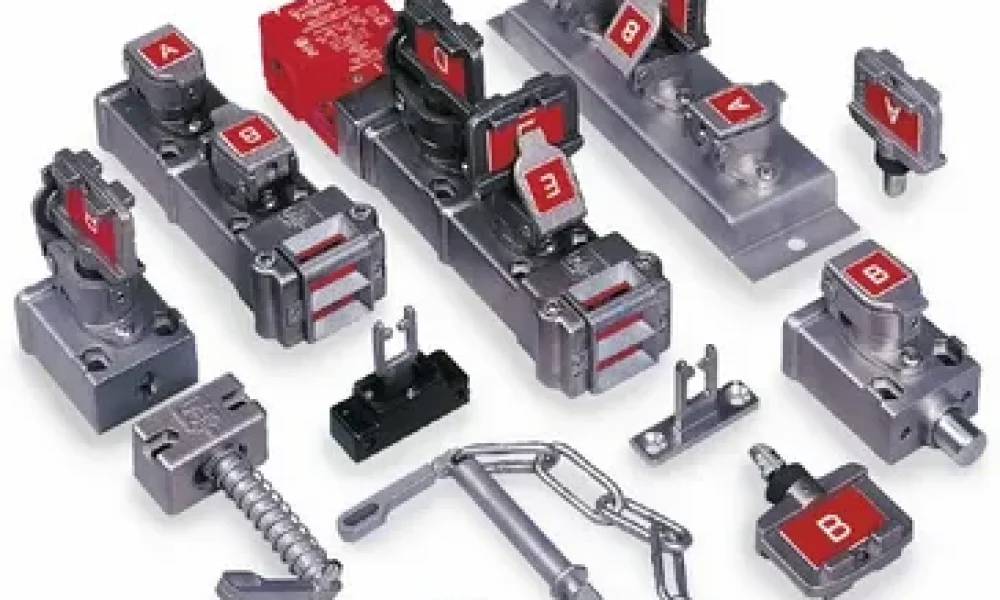
The global Automotive Key Interlock Cable Market is entering a decade of robust expansion as automakers accelerate adoption of advanced safety systems and electronic security architectures. According to the latest industry assessment, the market—valued at USD 2.3 billion in 2025—is projected to reach USD 3.9 billion by 2035, registering a CAGR of 5.6%. Rising vehicle safety regulations, powertrain electrification, and demand for automation-ready interlock mechanisms are shaping the competitive landscape and strengthening long-term growth potential.
Vehicle Security Standards and Material Advancements Drive Industry Value
Persistent regulatory emphasis on preventing rollaway accidents, vehicle theft, and transmission mis-engagement continues to push OEMs toward enhanced key interlock systems. As per the latest industry value matrix:
| Metric | Value |
| Industry Value (2025E) | USD 2.3 billion |
| Industry Value (2035F) | USD 3.9 billion |
| CAGR (2025–2035) | 5.6% |
Mechanical interlock cables will remain indispensable in mass-market passenger vehicles and commercial fleets due to their proven reliability and competitive cost profile. These assemblies are increasingly engineered with high-strength polymers, hybrid cable structures, and stainless-steel reinforcements to withstand elevated temperatures and extended lifecycle requirements.
Meanwhile, electrically actuated and hybrid interlock cables are gaining traction in premium, connected, and electric vehicles, where integration into ECUs, shift-by-wire systems, and smart security modules is a growing norm. The integration of embedded sensors, smart connectors, and digital lockout indicators is expected to catalyze the next wave of product innovation.
Subscribe for Year-Round Insights → Stay ahead with quarterly and annual data updates
https://www.futuremarketinsights.com/reports/sample/rep-gb-17668
OEM and Aftermarket Channels Record Parallel Momentum
OEM installations remain strong, supported by global mandates that require vehicles with automatic transmissions to feature robust key interlock systems, preventing key removal unless the gear is locked in “Park.” Aftermarket demand also continues to rise, driven by aging vehicle fleets, retrofitting initiatives, and the need for security upgrades in developing economies.
Real-world user discussions—such as those cited on Nissan Frontier and Jeep Wrangler forums—highlight the importance of reliable interlock mechanisms to prevent accidental rollaway conditions. These insights underscore the market urgency for durable, fail-safe interlock cable solutions.
Mechanical Cables Account for the Largest Market Share
Mechanical interlock cables are expected to hold 43% of the global market share in 2025, growing steadily at a CAGR of 5.5% through 2035. These cables enjoy strong adoption due to:
- Proven endurance in demanding vehicle environments
- Low lifecycle cost
- Compatibility with conventional transmission assemblies
- Superior resistance to harsh operating conditions
Manufacturers are investing heavily in improved sheath materials, corrosion-resistant coatings, and tensile enhancements to extend product lifespan across compact and commercial vehicle categories.
SUV Segment Emerges as the Fastest-Growing Vehicle Category
SUVs will account for nearly 34% of global market share in 2025, expanding at a 5.8% CAGR through 2035. The segment’s expansion is driven by:
- Increasing production volumes in China, India, and North America
- Higher integration of transmission lock systems and power liftgate mechanisms
- Adoption of hybrid and electric SUVs worldwide
- Enhanced regulatory focus on mechanical fail-safes in utility vehicles
Cable-based interlock systems continue to serve as critical safety components in both ICE and hybrid SUV platforms.
Strategic Imperatives for Market Leaders
Industry executives must align their strategic roadmaps with the following priorities:
- Invest in Smart and Hybrid Interlock Systems
Companies should expand R&D initiatives to support digital security, remote access features, and automation-ready designs. - Strengthen Regulatory Alignment
Continuous engagement with regulatory bodies will ensure compliance with evolving safety mandates, including standards such as FMVSS 114, ECE R116, CCC, AIS, and JASO. - Expand OEM Collaboration and Aftermarket Reach
Strengthening supply chain resilience, optimizing manufacturing capabilities, and pursuing mergers & acquisitions will be central to competitive success.
Risks and Executive Priorities
| Risk | Probability–Impact |
| Supply Chain Disruptions | Medium – High |
| Rapid Technological Obsolescence | High – High |
| Competitive Pricing Pressures | High – Medium |
Executive Watchlist (Next 12 Months):
- Material Innovation: Conduct feasibility studies on lightweight hybrid materials
- OEM Collaboration: Establish feedback loops for next-generation interlock systems
- Market Expansion: Launch incentive programs for aftermarket channel partners
Regulatory Landscape: Global Compliance Accelerates Adoption
- United States: FMVSS 114 mandates advanced anti-theft and rollaway prevention systems, accelerating smart cable adoption.
- European Union: GSR and Vision Zero push automakers toward high-security electronic interlocks.
- China: CCC and GB standards reinforce the need for precision-engineered interlock components.
- India: AIS-140 and BIS certification requirements increase demand for reliable security systems in commercial vehicles.
- Japan: JASO and MLIT regulations encourage use of hybrid and electronic cable assemblies.
Country-Level Growth Outlook (CAGR 2025–2035)
- China: 6.1%
- South Korea: 5.8%
- Germany: 5.5%
- USA: 5.2%
- Japan: 5.3%
- UK: 4.9%
- France: 4.7%
- Australia: 4.3%
- Italy: 4.5%
- New Zealand: 4.2%
Personalize Your Experience: Ask for Customization to Meet Your Requirements
https://www.futuremarketinsights.com/reports/sample/rep-gb-17668
Competitive Landscape
Key global players shaping the market include:
- Yazaki Corporation
- Delphi Technologies (BorgWarner)
- Leoni AG
- Sumitomo Electric Industries
- Furukawa Electric Co.
- Lear Corporation
- TE Connectivity
Industry developments include ZF’s North American capacity expansion, Bosch’s partnership with a leading EV OEM, and Dura Automotive’s acquisition of a mid-sized European supplier.
Conclusion
The automotive key interlock cable market is at a pivotal transformation point, influenced by stringent safety mandates, accelerating electrification, and rising demand for automation-ready vehicle security. Companies that invest in smart interlock technologies, optimize global supply chains, and build strong OEM and aftermarket alliances will emerge as leaders in the next decade of mobility innovation.
Why Choose FMI: Empowering Decisions that Drive Real-World Outcomes: https://www.futuremarketinsights.com/why-fmi
About Future Market Insights (FMI)
Future Market Insights, Inc. (FMI) is an ESOMAR-certified, ISO 9001:2015 market research and consulting organization, trusted by Fortune 500 clients and global enterprises. With operations in the U.S., UK, India, and Dubai, FMI provides data-backed insights and strategic intelligence across 30+ industries and 1200 markets worldwide.



