
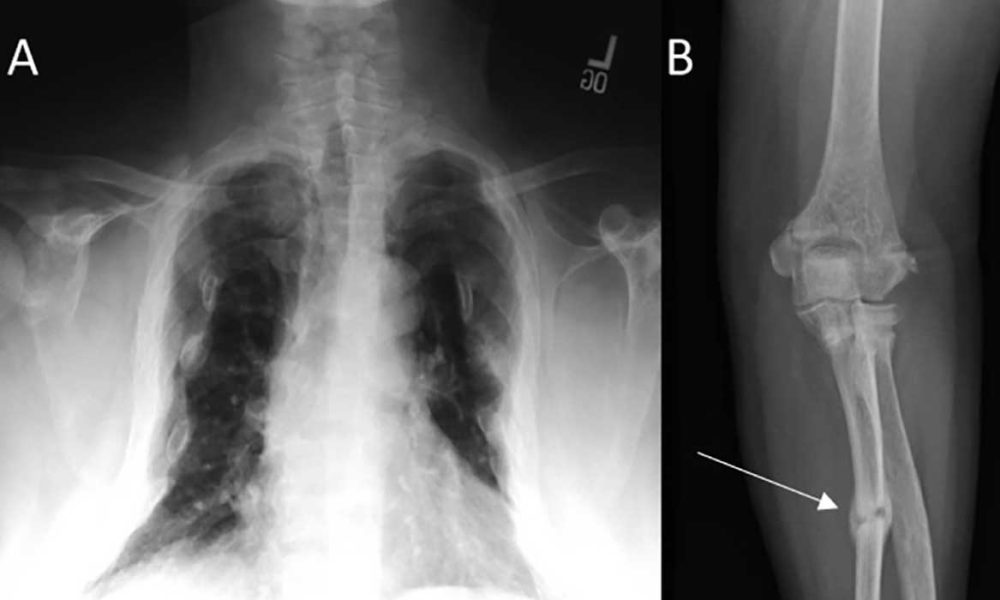
The global tumour-induced osteomalacia (TIO) market is witnessing a steady growth trajectory, driven by increasing awareness of rare bone disorders, advances in diagnostic techniques, and the development of effective therapeutic interventions. Tumour-induced osteomalacia, also known as oncogenic osteomalacia, is a rare disorder characterized by weakened bones, bone pain, and muscle weakness, primarily caused by mesenchymal tumors that secrete fibroblast growth factor 23 (FGF23). This excess FGF23 leads to phosphate wasting and impaired vitamin D metabolism, resulting in osteomalacia. Early diagnosis and targeted treatment are crucial for improving patient outcomes and reducing morbidity associated with this condition.
The market size for tumour-induced osteomalacia is estimated to grow from US$ 126.8 million in 2026 to US$ 208.3 million by 2033, reflecting a compound annual growth rate (CAGR) of 5.4% over the forecast period. The growth is driven by the increasing prevalence of rare metabolic bone disorders, rising investments in research and development, and the availability of novel therapeutics that address the underlying pathophysiology of TIO.
Download Your Free Sample & Explore Key Insights: https://www.persistencemarketresearch.com/samples/33152
Market Dynamics
Growth Drivers
The tumour-induced osteomalacia market is propelled by several key factors. Firstly, the rising prevalence of phosphate-wasting disorders, coupled with growing awareness among clinicians and patients, is boosting demand for effective diagnostics and treatments. Advances in molecular and imaging technologies, such as positron emission tomography (PET), magnetic resonance imaging (MRI), and biochemical testing, have significantly improved the early detection and localization of causative tumors, thereby facilitating timely intervention.
Secondly, the introduction of targeted therapies and personalized treatment approaches is expected to expand market opportunities. Drugs and supplements that address phosphate deficiency, vitamin D analogs, and emerging monoclonal antibodies targeting FGF23 offer significant therapeutic benefits. Additionally, surgical excision of the responsible tumor remains the definitive treatment, further contributing to market demand.
Thirdly, the growing emphasis on rare disease management and favorable government policies supporting orphan drug development are encouraging pharmaceutical companies to invest in the TIO market. The expansion of healthcare infrastructure, particularly in emerging economies, and increasing access to specialized care facilities are also supporting market growth.
Restraints
Despite the positive growth prospects, the market faces certain challenges. The rarity of tumour-induced osteomalacia limits large-scale clinical trials, which can impede the development and approval of new therapies. Moreover, the high cost of advanced diagnostic procedures and targeted treatments can restrict patient access, particularly in low- and middle-income regions. Limited awareness among general practitioners and delays in diagnosis may also affect treatment outcomes, further constraining market growth.
Opportunities
Opportunities in the tumour-induced osteomalacia market include the development of novel therapies targeting the molecular mechanisms underlying phosphate metabolism, expansion of diagnostic platforms, and the establishment of specialized treatment centers for rare metabolic bone disorders. Collaboration between pharmaceutical companies, research institutions, and healthcare providers can facilitate the launch of innovative solutions and improve patient access to advanced care. Emerging markets, particularly in Asia-Pacific and Latin America, present significant growth potential due to rising healthcare expenditure and increasing recognition of rare diseases.
Get Custom Insights Designed for Your Businecss: https://www.persistencemarketresearch.com/request-customization/33152
Global Tumour-Induced Osteomalacia Market Segmentation
By Treatment
The tumour-induced osteomalacia market is segmented based on treatment modalities, which include drugs and supplements as well as surgical interventions.
Drugs and Supplements: Pharmacological management focuses on correcting phosphate deficiency and enhancing bone mineralization. This segment includes oral phosphate supplements, calcitriol, and other vitamin D analogs, which help restore phosphate levels and improve bone health. The demand for drugs and supplements is expected to grow steadily, driven by the need for long-term management in patients unable to undergo surgery or those with persistent biochemical abnormalities.
Surgery: Surgical intervention remains the gold standard for treating TIO, particularly for patients with localized tumors. Complete excision of the causative tumor often results in rapid normalization of phosphate levels and resolution of symptoms. Technological advancements in minimally invasive and image-guided surgery are enhancing surgical outcomes and reducing postoperative complications, further supporting growth in this segment.
By Application
The market is also segmented by diagnostic applications, which play a critical role in the effective management of tumour-induced osteomalacia.
Biochemical Testing: Biochemical assays are essential for detecting phosphate levels, vitamin D status, and FGF23 concentrations. Accurate biochemical testing enables early identification of TIO and helps guide therapeutic decisions.
Imaging Techniques: Imaging modalities such as MRI, CT scans, PET scans, and octreotide scintigraphy are used to locate the causative tumors. Advanced imaging technologies are improving tumor localization, particularly in cases where lesions are small or located in complex anatomical regions.
Differential Diagnosis: Differentiating TIO from other metabolic bone disorders is critical for initiating appropriate treatment. Differential diagnosis includes ruling out genetic forms of hypophosphatemia, renal tubular disorders, and other systemic conditions that can mimic TIO.
Others: This includes additional diagnostic approaches such as genetic testing, histopathological evaluation, and emerging biomarker analysis, which provide complementary insights for accurate diagnosis.
By End User
The market is categorized by end users, reflecting the healthcare facilities involved in the treatment and management of TIO.
Hospitals: Hospitals remain the primary treatment setting, offering comprehensive diagnostic, surgical, and post-operative care. Large tertiary care centers with specialized metabolic bone disease units are central to market growth, as they provide multidisciplinary care and access to advanced diagnostics.
Specialty Clinics: Specialty clinics focusing on endocrinology, nephrology, and rare bone disorders play an increasing role in managing TIO. These clinics offer targeted care and long-term follow-up, contributing to improved patient outcomes.
Ambulatory Surgery Centers: Ambulatory surgery centers are gaining importance for minimally invasive tumor excision procedures. These centers provide cost-effective and efficient surgical solutions, enhancing patient convenience and supporting market expansion.
Others: This includes research institutions, diagnostic laboratories, and outpatient facilities involved in biochemical testing and imaging services. These settings complement hospital and clinic services and expand the overall reach of TIO management.
By Region
The tumour-induced osteomalacia market is analyzed across key geographic regions, reflecting variations in healthcare infrastructure, awareness, and access to advanced treatments.
North America: North America is expected to hold a significant share of the global TIO market, driven by well-established healthcare infrastructure, advanced diagnostic capabilities, and strong pharmaceutical R&D presence. The presence of leading market players and supportive reimbursement policies further strengthen market growth.
Europe: Europe is witnessing steady growth, with increasing investments in rare disease research, advanced diagnostic adoption, and awareness campaigns among healthcare professionals. Countries such as Germany, France, and the UK are leading in terms of market penetration and patient access to specialized care.
East Asia: East Asia, particularly China, Japan, and South Korea, is emerging as a high-growth market due to rising healthcare expenditure, growing awareness of rare diseases, and increasing availability of advanced diagnostic tools. Expansion of hospital networks and specialty clinics is driving demand in this region.
South Asia and Oceania: The South Asia and Oceania region presents growth potential, supported by improving healthcare infrastructure and increasing recognition of metabolic bone disorders. India and Australia are notable contributors, with expanding hospital networks and increasing adoption of surgical and pharmacological treatments.
Latin America: Latin America is witnessing gradual market expansion due to increasing awareness, adoption of diagnostic procedures, and growing healthcare investment. Brazil and Mexico are key markets, driven by initiatives to improve access to rare disease treatment.
Middle East and Africa: The Middle East and Africa region is characterized by emerging healthcare infrastructure and increasing government focus on rare disease management. Countries such as the UAE, Saudi Arabia, and South Africa are investing in specialized diagnostic and treatment facilities, contributing to market growth.
Checkout Now & Download Complete Market Report: https://www.persistencemarketresearch.com/checkout/33152
Competitive Landscape
The tumour-induced osteomalacia market is highly competitive, with several multinational and regional players operating in the space. Key companies include Teva Pharmaceuticals, Glenmark Pharmaceuticals, Lupin Pharmaceuticals, Intas Pharmaceuticals Ltd, Ultragenyx Pharmaceutical Inc., Kyowa Kirin Co., Ltd., Eli Lilly and Company, Amgen Inc., Novartis AG, Sanofi S.A., Pfizer Inc., AbbVie Inc., and Horizon Therapeutics.
These companies are focusing on strategic initiatives such as mergers and acquisitions, partnerships, product launches, and research collaborations to strengthen their market presence. The emphasis on innovative therapies targeting FGF23 pathways, advanced surgical techniques, and improved diagnostic tools highlights the competitive intensity and the ongoing evolution of the market.
Future Outlook
The global tumour-induced osteomalacia market is poised for steady growth over the forecast period, driven by advancements in diagnostics, therapeutic innovations, and increased awareness of rare bone disorders. The integration of personalized medicine, targeted drug development, and minimally invasive surgical interventions will shape the market landscape. Opportunities in emerging regions and investments in orphan drug development are expected to further drive market expansion.
The focus on patient-centric care, multidisciplinary management, and early diagnosis will continue to be pivotal in improving treatment outcomes and reducing the clinical burden of TIO. With ongoing research and collaboration among healthcare providers, pharmaceutical companies, and policymakers, the tumour-induced osteomalacia market is set to experience sustained growth, providing both clinical and commercial opportunities in the coming years.
By 2033, the market is expected to reach US$ 208.3 million, reflecting the growing recognition of TIO as a treatable and manageable condition. The market trajectory underscores the importance of innovation, accessibility, and awareness in addressing this rare but impactful disorder, ensuring that patients receive timely and effective care.
The tumour-induced osteomalacia market represents a dynamic and evolving landscape, characterized by a blend of clinical innovation, strategic partnerships, and expanding regional penetration. Companies that leverage advanced diagnostic technologies, novel therapies, and comprehensive patient care models are likely to achieve sustainable growth and make a meaningful impact on the lives of patients affected by this rare metabolic bone disorder.




