
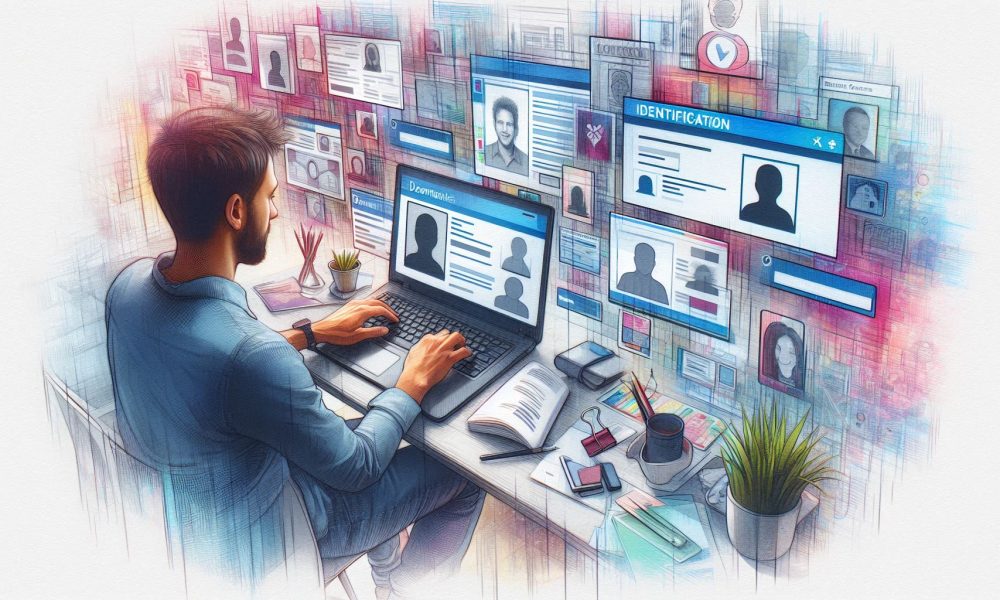
Digital marketplaces promise secrecy, but modern databases make unofficial identity replacement harder than ever.
WASHINGTON, DC — March 30, 2026
The internet still sells a familiar fantasy, that a person can go online, buy a fresh identity package, change a few documents, move money, cross a border, and begin again as someone else.
In 2026, that pitch is more marketable than ever, and less workable than many buyers imagine. The problem is not simply that fake identity offers are illegal or scam-prone. It is that modern identity is no longer contained in one card, one passport or one story. It lives across official records, application histories, document registries, lost-and-stolen databases and verification systems that are harder to fool with a bundle of counterfeit paperwork or a polished online promise.
That reality matters because the wider fraud environment keeps getting more expensive and more industrialized. Online identity fraud, cyber-enabled deception, and document scams now exist in a climate where institutions already assume manipulation is common, personal data is being abused, and identity claims need to be checked against deeper records.
The online pitch is simpler than the real-world problem
A major reason the myth persists is that it reduces identity to appearance. Change the name. Change the card. Change the passport. Change the story. Start over.
But official systems do not treat identity that way. Even when a person changes their name legally, the change is not meant to create a secret void where the old record disappears. It creates a new officially recognized record tied to lawful documentation.
That administrative chain is the central obstacle to the “reinvent yourself online” myth. A real identity that survives scrutiny has to align across more than one checkpoint. It has to make sense when documents are compared, when records are reissued, and when a person’s claimed status is tested against official process. Unofficial sellers tend to market the visible layer of identity. Institutions increasingly check the buried layer underneath it.
Fraudulent online services usually create more exposure, not less
This is one reason the phrase “new identity online” remains so misleading. Many people read it as a digital service category. In practice, it often describes either a scam or a misunderstanding.
Governments can issue documents. Courts can approve name changes. Civil registries can update records. Private websites cannot lawfully conjure official recognition into existence by selling a package and a backstory.
The more a service claims it can privately shortcut official identity procedure, the more likely it is to expose the customer to fraud, extra fees, stolen data or all three. That is the broader danger behind online identity marketplaces. They do not just fail to solve the problem. They often create a second one by collecting highly sensitive personal information from people already in a vulnerable position.
Databases are what make unofficial replacement so fragile
The second major problem for online identity reinvention is that document checking has become more layered. Modern identity and travel document fraud no longer refers only to obviously fake paperwork. It also includes altered genuine documents, fraudulently obtained real documents, impostor use, and identity claims built on partial truths.
This is the real break between the movie version of disappearing and the 2026 version. The movie assumes the right passport and a convincing story are enough. The 2026 reality is that records increasingly talk to one another, or at least can be checked against one another when something looks wrong.
A fabricated identity may still fool an untrained person. It is far less likely to survive an institution that knows what a genuine record chain is supposed to look like. Banks, border agencies, employers, landlords, and compliance teams now assess people through overlapping systems, not just through whatever document happens to be shown first.
What legal identity change actually looks like
None of this means lawful identity change is imaginary. It means lawful identity change is procedural, limited, and document-heavy.
A legal name change can be real. A second citizenship acquired through a government-recognized route can be real. A reissued passport reflecting lawful civil changes can be real. Privacy-oriented relocation planning can also be real. But each of those outcomes depends on official recognition, consistent records, and compliance with the rules of the issuing authority.
They are not the same thing as buying a synthetic life online and hoping the rest of the system never notices.
That is where firms in the lawful restructuring market try to distinguish themselves from the internet fantasy. Companies such as Amicus International Consulting present their work as legal identity and second-passport assistance rather than as a dark-web style document swap. Whatever one thinks of the broader market, that distinction matters. The sustainable question in 2026 is not whether people want more privacy or a fresh start. Clearly, they do. The real question is whether the path being offered can survive government paperwork, institutional due diligence, and database scrutiny after the sale.
The myth survives because the demand is real
The reason these offers keep circulating is that the emotional demand behind them is real. People want distance from harassment, reputation damage, political instability, stalking, identity theft, failed businesses, or personal collapse. The desire to start over is not new. What has changed is the architecture surrounding identity itself.
In a world of linked records, official update requirements, and rising digital fraud losses, unofficial identity replacement is not becoming easier. It is becoming easier to sell and harder to make hold up.
That gap is where many scams thrive. It is also why any serious conversation about a “new identity” in 2026 has to begin by discarding the online fantasy and focusing instead on what the law, the documents, and the databases will actually recognize. The digital marketplace may still reward fantasy, but official systems increasingly reward consistency.




