
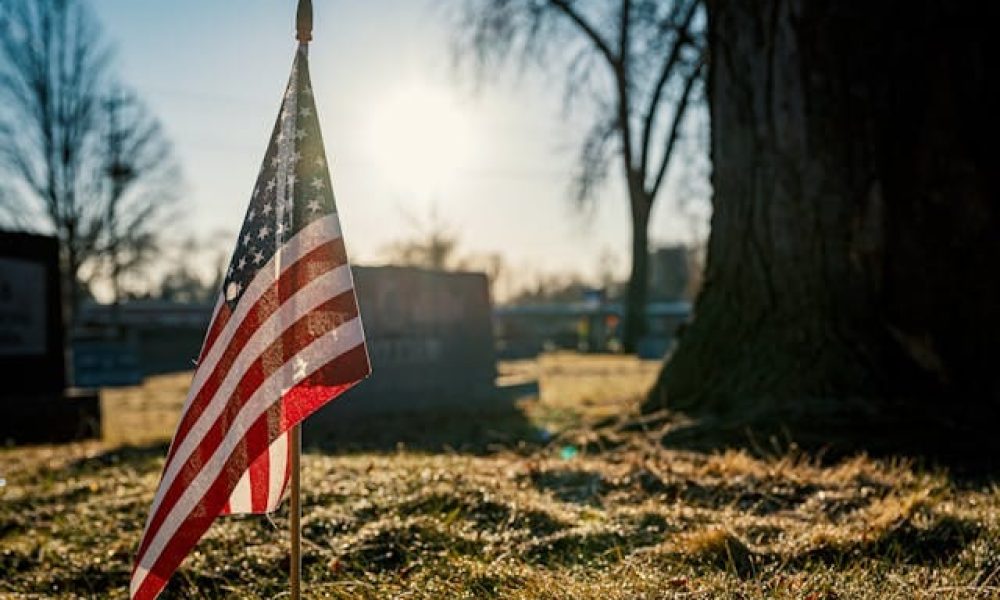
Memorial spaces play a vital role in community dynamics, serving not just as places for grief and remembrance but also as integral components of communal well-being. These spaces offer a tangible connection to history and heritage, while also providing a venue for healing and collective memory. Understanding the impact of these memorial areas can shed light on their importance in fostering a healthier, more connected community.
Healing and Grieving
Memorial spaces are fundamentally designed to serve as sanctuaries where individuals can grieve and find solace. The act of remembering in a dedicated space allows for the expression of feelings that are often private and deeply personal. However, the communal aspect of these spaces also plays a critical role in the healing process. They provide a shared place where emotions can be acknowledged and supported by others, facilitating a collective healing journey. This is particularly important in communities struck by collective trauma, such as natural disasters or societal upheavals, where shared spaces can contribute to the overall emotional recovery of the community.
Sense of Place and Identity
Memorial spaces contribute to a community’s identity, offering a physical embodiment of the community’s values, history, and significant events. These spaces tell stories of the past, celebrating achievements while also acknowledging loss and tragedy. By doing so, they help forge a shared identity and a deeper connection to the locale. Residents not only recognize the physical space as part of their environment but also as a symbol of their collective heritage, which can foster a strong sense of pride and belonging. Additionally, these memorials serve as educational tools, providing insights into the historical and cultural narratives that shape the community. They act as landmarks that attract visitors and residents alike, stimulating local engagement and economic activity. As such, these spaces play a pivotal role in not only preserving history but also in enhancing community solidarity and continuity.
Social Cohesion and Community Engagement
Memorial spaces often become focal points for community engagement and activities. Events such as memorial services, annual commemorations, and educational tours draw people together, strengthening social bonds and encouraging civic participation. Regular activities in these spaces ensure ongoing interaction among community members, bridging generational gaps and promoting inclusivity. This social cohesion is essential for robust community health, as it builds networks of support and fosters mutual respect among residents.
Reflection and Education
Educationally, memorial spaces serve as powerful tools for reflection and learning. They provide historical context that helps current and future generations understand the complexities of their community’s past. Educational programs associated with memorials can teach valuable lessons about resilience, peace, and the consequences of past actions. This reflective learning is crucial in developing informed, empathetic citizens who are aware of their history and its implications for the future. Implementing a tribute through nature can encourage others to connect with the environment or to find out about an important cause. This method enriches the learning experience, fostering a deeper appreciation for both history and the natural world around them.
Psychological Resilience
The design and presence of memorial spaces within a community can contribute to psychological resilience. Access to tranquil, contemplative environments allows individuals to disconnect from daily stresses and engage in mindfulness. The calming influence of well-maintained memorial spaces can offer psychological relief and restoration, which is important in urban environments where natural spaces might be limited.
Conclusion
The impact of memorial spaces on community well-being is profound and multi-faceted. These spaces provide more than a place to remember; they are pivotal in healing, identity formation, social cohesion, educational reflection, and psychological resilience. As communities continue to evolve, the role of these memorials will remain significant, continually contributing to the communal health and unity. Their ongoing relevance underscores the need to design and maintain these spaces thoughtfully, ensuring they meet the needs of all community members, honor the past, and contribute to the future of the community.




