
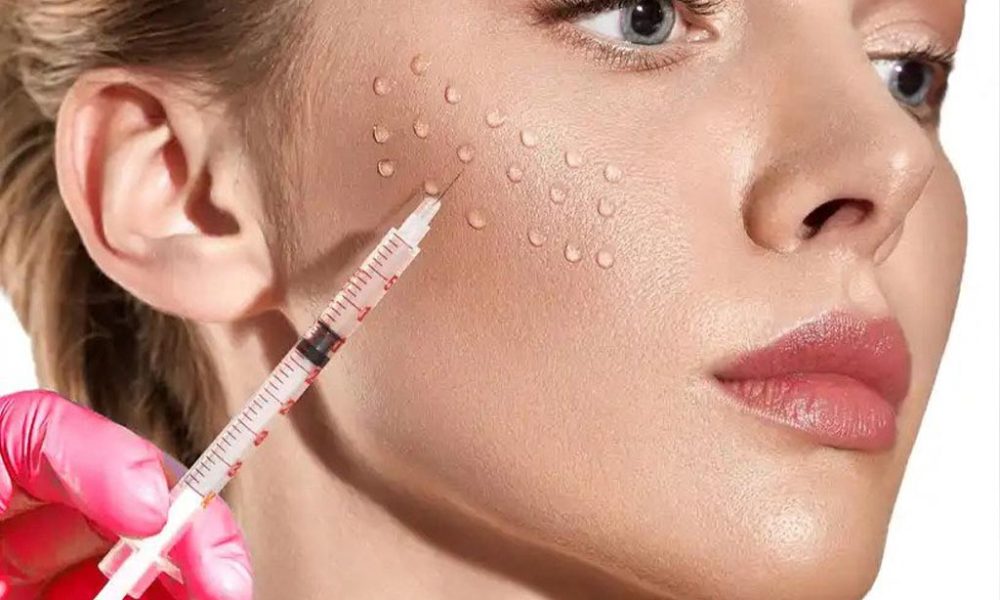
The global skin boosters market is witnessing significant expansion as consumers increasingly seek minimally invasive aesthetic treatments that enhance skin hydration, texture, and elasticity. Skin boosters are injectable formulations—primarily based on hyaluronic acid and other bioactive compounds—designed to improve skin quality by delivering deep hydration and stimulating collagen production. These treatments are commonly administered through micro-injections and are widely used for facial rejuvenation, anti-aging therapy, and overall skin health improvement. The rising popularity of non-surgical cosmetic procedures, combined with growing awareness of preventive skincare, is fueling the demand for skin boosters worldwide. Social media influence, celebrity endorsements, and the growing culture of self-care have further amplified interest in aesthetic enhancements that deliver natural-looking results.
According to market estimates, the global skin boosters market is projected to grow from US$ 1.48 billion in 2025 to US$ 3.33 billion by 2032, expanding at a compound annual growth rate (CAGR) of 12.3% during the forecast period from 2025 to 2032. The robust growth can be attributed to advancements in aesthetic medicine, increasing disposable incomes, and rising demand for anti-aging treatments among younger demographics. Among product types, mesotherapy-based skin booster procedures dominate the market, accounting for approximately 65% of the share due to their targeted delivery of nutrients and effective skin rejuvenation results. In terms of end users, medical spas (med spas) hold the largest share of around 64%, driven by their ability to combine clinical dermatology treatments with relaxation and wellness experiences. Geographically, North America leads the global market with nearly 30% revenue share, supported by high healthcare spending, strong adoption of aesthetic procedures, and the presence of advanced cosmetic clinics and experienced practitioners.
Download Your Free Sample & Explore Key Insights: https://www.persistencemarketresearch.com/samples/35155
Key Highlights from the Report
• Mesotherapy dominates the type segment with approximately 65% share due to its targeted nutrient delivery and visible skin rejuvenation results.
• Medical spas account for nearly 64% of the market owing to their integrated wellness and aesthetic treatment offerings.
• North America holds the largest regional share at around 30%, supported by high disposable income and advanced aesthetic infrastructure.
• Increasing consumer focus on preventive skincare and long-term skin health is significantly driving demand for skin booster treatments.
• Technological advancements such as nanotechnology-based delivery systems are improving the effectiveness of injectable skin boosters.
• Wellness clinics and dermatology centers are increasingly bundling skin boosters with holistic treatments such as IV therapy and nutritional programs.
Market Segmentation
The skin boosters market is segmented based on type, end-user, and treatment application, each playing a critical role in shaping overall industry dynamics. Among product types, mesotherapy has emerged as the leading segment due to its ability to deliver customized blends of vitamins, enzymes, hormones, and plant extracts directly into the mesodermal layer of the skin. This technique enhances skin hydration, elasticity, and tone by supplying essential nutrients to targeted areas. Mesotherapy procedures are widely adopted because they offer personalized treatment plans tailored to individual skin conditions. Additionally, the growing consumer preference for non-surgical aesthetic procedures has further strengthened the demand for mesotherapy-based skin boosters.
Other product categories include injectable hyaluronic acid boosters and advanced dermal rejuvenation formulations that stimulate collagen production and improve skin density. Hyaluronic acid-based boosters remain highly popular due to their natural compatibility with human skin and their ability to retain moisture effectively. Innovations in formulation technology, including cross-linked hyaluronic acid and bio-stimulatory compounds, are expanding the treatment possibilities in aesthetic medicine. These advancements are enabling practitioners to achieve longer-lasting results and improved skin rejuvenation outcomes.
In terms of end users, medical spas dominate the market due to their unique blend of medical expertise and wellness-focused services. Med spas provide a relaxing environment where patients can receive advanced aesthetic procedures under the supervision of trained medical professionals. Their ability to combine skin boosters with complementary treatments such as facial therapies, laser procedures, and wellness consultations makes them attractive to consumers seeking comprehensive skincare solutions. Dermatology clinics also represent a significant segment of the market, offering specialized treatments for skin disorders, anti-aging therapy, and cosmetic dermatology procedures.
Hospitals and cosmetic surgery centers also contribute to market growth, particularly in regions with strong healthcare infrastructure. These facilities are equipped with advanced technologies and trained specialists capable of administering complex aesthetic treatments safely and effectively. As awareness of minimally invasive procedures continues to rise, the demand for skin boosters across various healthcare settings is expected to increase steadily.
Regional Insights
North America remains the largest market for skin boosters, accounting for approximately 30% of global revenue. The region benefits from a well-established aesthetic medicine industry, high healthcare spending, and widespread access to cosmetic treatments. Consumers in the United States and Canada are highly receptive to non-surgical procedures that deliver quick results with minimal downtime. In the United States, the increasing popularity of injectable aesthetic treatments among millennials and young professionals has significantly contributed to market growth. The presence of leading aesthetic companies, advanced research facilities, and experienced dermatologists further strengthens the region’s leadership in the global skin boosters industry.
Europe represents the second-largest regional market and continues to experience steady growth driven by rising awareness of dermatological health and aesthetic treatments. Countries such as Germany, France, Italy, and the United Kingdom have well-developed cosmetic medicine sectors and high demand for anti-aging solutions. Increasing dissatisfaction with skin appearance among young adults and working professionals has led to greater adoption of injectable skin boosters. Additionally, the growing availability of trained dermatologists and regulatory approvals for advanced products are supporting market expansion across the region.
The Asia Pacific region is expected to record the fastest growth during the forecast period, with a projected CAGR of approximately 14.7%. Rapid urbanization, expanding medical tourism, and growing beauty consciousness are key factors driving demand for skin boosters in countries such as China, India, South Korea, and Malaysia. The region has become a major hub for aesthetic treatments due to affordable procedure costs and the availability of advanced cosmetic technologies. Furthermore, increasing influence of celebrities, beauty influencers, and social media platforms has significantly shaped consumer attitudes toward skincare and aesthetic enhancement.
Latin America and the Middle East & Africa are also emerging as promising markets for skin boosters. In Latin America, countries like Brazil and Mexico have well-established cosmetic surgery industries and growing demand for minimally invasive treatments. Meanwhile, the Middle East is experiencing rising demand for premium skincare solutions driven by high disposable income and increasing awareness of aesthetic medicine. As cosmetic dermatology services continue to expand globally, these regions are expected to play an increasingly important role in the overall growth of the skin boosters market.
Get Custom Insights Designed for Your Business: https://www.persistencemarketresearch.com/request-customization/35155
Market Drivers
One of the primary drivers of the skin boosters market is the growing awareness of preventive skincare and the concept of skin longevity. Consumers are increasingly focusing on maintaining healthy skin from an early age rather than seeking corrective treatments later in life. Individuals in their mid-twenties to early thirties are adopting proactive skincare routines that include professional aesthetic procedures. Skin boosters play a crucial role in this trend by providing deep hydration, improving skin elasticity, and stimulating long-term collagen production. As a result, dermatologists and skincare professionals are recommending these treatments as part of long-term skin maintenance strategies.
Another key driver is the increasing demand for minimally invasive cosmetic procedures. Modern consumers prefer treatments that deliver noticeable results without the risks, pain, or extended recovery time associated with surgical procedures. Skin boosters offer a convenient and effective solution, often requiring minimal downtime while providing visible improvements in skin quality. Technological advancements in injectable formulations and micro-injection techniques have further improved the safety and effectiveness of these treatments, encouraging more individuals to explore aesthetic enhancements.
The rapid growth of social media and digital beauty culture is also playing a significant role in driving market demand. Platforms such as Instagram, TikTok, and YouTube have popularized skincare routines and cosmetic treatments, making aesthetic procedures more socially acceptable and widely discussed. Influencers and celebrities frequently promote glowing, youthful skin as a key element of personal appearance, motivating consumers to invest in treatments that enhance their skin quality.
Market Restraints
Despite its strong growth potential, the skin boosters market faces several challenges that may hinder its expansion. One of the most significant restraints is the concern regarding safety and potential side effects associated with injectable cosmetic procedures. Although skin boosters are generally safe when administered by qualified professionals, complications such as bruising, swelling, allergic reactions, and infections can occur. These risks often discourage first-time users from trying aesthetic treatments, particularly in regions where awareness about procedural safety remains limited.
Another major challenge is the lack of standardization in cosmetic procedures across different regions and clinics. The quality of treatment outcomes can vary depending on the expertise of practitioners, the type of products used, and the techniques employed during injections. Inconsistent results may reduce consumer confidence and lead to hesitation in adopting such treatments. Furthermore, the presence of unlicensed practitioners and counterfeit aesthetic products in some markets raises concerns about patient safety and treatment effectiveness.
Regulatory complexities also present obstacles for market players. Different countries have varying regulations governing aesthetic procedures, injectable products, and cosmetic clinics. Companies must navigate these regulatory frameworks to obtain approvals and ensure compliance with safety standards. The time and cost associated with regulatory approvals may slow the introduction of new products and technologies in certain markets.
Market Opportunities
The integration of skin boosters with holistic wellness trends presents a major opportunity for the industry. Consumers are increasingly adopting a comprehensive approach to beauty that combines physical appearance with overall health and well-being. This shift has led to the emergence of wellness-focused clinics that offer aesthetic treatments alongside services such as nutritional counseling, hormone therapy, and intravenous vitamin therapy. Skin boosters fit seamlessly into this trend as they enhance skin health while complementing broader wellness programs.
Another significant opportunity lies in the advancement of aesthetic technologies. Innovations such as nanotechnology-based delivery systems, improved hyaluronic acid formulations, and bio-stimulatory compounds are enabling more efficient and longer-lasting skin rejuvenation treatments. These technological breakthroughs are expected to improve treatment outcomes and expand the range of conditions that skin boosters can address, including skin dullness, dehydration, and early signs of aging.
The expanding medical tourism industry also offers promising growth prospects for the market. Countries in Asia Pacific and Latin America are becoming popular destinations for cosmetic procedures due to their cost-effective treatments and high-quality medical services. International patients are increasingly traveling to these regions to receive aesthetic treatments, including skin boosters, at a fraction of the cost compared to Western countries. This trend is expected to further accelerate market expansion in emerging economies.
Checkout Now & Download Complete Market Report: https://www.persistencemarketresearch.com/checkout/35155
Company Insights
The skin boosters market is highly competitive, with numerous global and regional players offering advanced injectable formulations and aesthetic solutions. Leading companies focus on research and development, clinical trials, and strategic partnerships to enhance product efficacy and expand their market presence. Continuous innovation in hyaluronic acid-based boosters and bio-stimulatory technologies is enabling companies to differentiate their offerings and address diverse consumer needs.
Key Players in the Skin Boosters Market
• Sinclair
• Teoxane
• Galderma
• Merz Pharma
• Medytox, Inc.
• ExoCoBio Inc.
• VAIM Co., Ltd
• Dexlevo Co., Ltd.
• AbbVie, Inc. (Allergan Aesthetics)
• PharmaResearch Co., Ltd.
• Bloomage Biotechnology
• IBSA Farmaceutici Italia Srl
• LINKUS GLOBAL Co., Ltd.
Recent Developments
In October 2024, Merz Pharma established its Research & Development Innovation Center in Raleigh as its global headquarters, aimed at strengthening collaboration across research teams and accelerating the development of new aesthetic treatment solutions.
In October 2024, IBSA Farmaceutici Italia Srl expanded its Profhilo product line by introducing a new formulation using the patented Nahyco technology designed to rejuvenate facial adipose tissue affected by aging.
Conclusion
The global skin boosters market is evolving rapidly as consumers increasingly prioritize skin health, hydration, and long-term rejuvenation. The rising demand for minimally invasive cosmetic treatments, combined with advancements in injectable technologies and growing awareness of preventive skincare, is driving strong market growth. With projections indicating a market value of over US$ 3.3 billion by 2032, skin boosters are becoming an essential component of modern aesthetic medicine. While concerns regarding safety, regulatory complexities, and inconsistent treatment standards remain challenges, ongoing innovations and improved patient education are expected to address these issues. As wellness trends continue to merge with beauty treatments and medical tourism expands globally, the skin boosters industry is poised for sustained growth and transformation in the coming years.




