
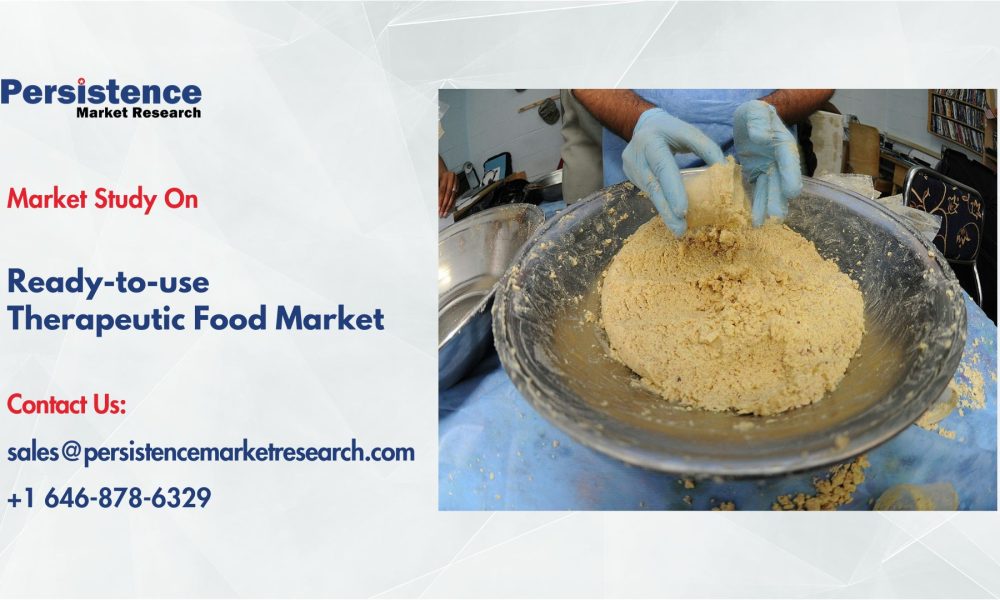
The global ready-to-use therapeutic food market is witnessing steady expansion as governments, international organizations, and humanitarian agencies intensify efforts to combat severe acute malnutrition, particularly among children in low- and middle-income countries. In 2025, the global RUTF market size is valued at US$ 782.1 million, and it is projected to reach US$ 1,145.3 million by 2032, reflecting a compound annual growth rate (CAGR) of 5.6% during the forecast period from 2025 to 2032.
Ready-to-use therapeutic food plays a critical role in the treatment of severe acute malnutrition (SAM), offering a high-energy, nutrient-dense formulation that does not require refrigeration, cooking, or dilution with water. These characteristics make RUTF products especially suitable for use in resource-limited settings, emergency relief operations, and community-based management of acute malnutrition programs.
Market growth is primarily driven by rising global awareness of childhood malnutrition, increasing prevalence of food insecurity, and expanding humanitarian and public health interventions supported by international organizations. In addition, improvements in product formulation, packaging, and local manufacturing capacity are contributing to wider adoption and improved accessibility of RUTF products across vulnerable populations.
Key Factors Driving Market Growth
One of the primary drivers of the ready-to-use therapeutic food market is the persistent burden of severe acute malnutrition among children under five years of age. According to global health assessments, millions of children continue to suffer from life-threatening malnutrition, particularly in regions affected by poverty, conflict, climate change, and displacement. RUTF has emerged as a cornerstone solution in addressing this challenge due to its proven effectiveness in promoting rapid weight gain and recovery.
Another major growth driver is the increasing adoption of community-based management of acute malnutrition (CMAM) programs. These programs enable malnourished children to be treated at home rather than in inpatient facilities, significantly reducing healthcare costs and improving treatment coverage. RUTF products are specifically designed to support CMAM initiatives, further strengthening demand from governments, non-governmental organizations, and international aid agencies.
The market is also benefiting from increased funding and policy support from global institutions and donor agencies. Organizations focused on nutrition, child health, and humanitarian aid are prioritizing investments in therapeutic nutrition, thereby ensuring sustained procurement of RUTF products. Additionally, technological advancements in food processing and quality control are improving product consistency, shelf life, and safety, enhancing confidence among end users and procurement agencies.
Get Your FREE Sample Report Instantly – Click Now: https://www.persistencemarketresearch.com/samples/11044
Segmentation Analysis
By Product Type
- RUTF Paste
- RUTF Biscuits / Bars
- RUTF Powder / Dry Mix
By End-users
- UNICEF
- WHO / WFP Distribution
- NGOs
- Hospitals & Clinical Nutrition Centers
- Others
Regional Insights
Leading Regional Markets
Geographically, Africa represents the largest market for ready-to-use therapeutic food, accounting for a significant share of global consumption. High prevalence of severe acute malnutrition, combined with strong presence of international aid organizations and donor-funded nutrition programs, underpins market dominance in the region. Countries in Sub-Saharan Africa continue to be major recipients of RUTF supplies due to ongoing food insecurity, health system challenges, and climate-related disruptions.
South Asia also holds a substantial share of the global market, supported by large population size and persistent malnutrition challenges in countries such as India, Bangladesh, and Pakistan. Governments in the region are increasingly integrating therapeutic nutrition into national health and child welfare programs, creating sustained demand for RUTF products.
North America and Europe primarily serve as production, innovation, and funding hubs rather than consumption centers. These regions host several leading manufacturers, research institutions, and donor organizations that play a critical role in product development, quality assurance, and global distribution.
Fastest-Growing Region
Asia Pacific is expected to be the fastest-growing region in the RUTF market during the forecast period. Rising awareness of child nutrition, expanding healthcare infrastructure, and increasing collaboration between governments and international agencies are driving adoption across the region. Additionally, efforts to establish local manufacturing facilities are improving supply availability and reducing costs, further accelerating market growth in Asia Pacific.
Unique Features and Innovations in the Market
Modern ready-to-use therapeutic food products are increasingly differentiated by advances in formulation, packaging, and supply chain management. Manufacturers are focusing on optimizing nutrient composition to improve palatability, digestibility, and clinical outcomes. Enhanced micronutrient blends tailored to regional dietary deficiencies are being incorporated to improve effectiveness across diverse populations.
Technological innovation is also reshaping the market. Artificial intelligence (AI) and data analytics are being used to optimize formulation design, forecast demand, and improve inventory management for large-scale nutrition programs. Internet of Things (IoT) technologies are supporting real-time monitoring of storage conditions and supply chains, ensuring product integrity and reducing spoilage. In some regions, 5G-enabled connectivity is facilitating faster data exchange between field programs, suppliers, and policymakers, enabling more responsive and efficient nutrition interventions.
Sustainability-focused innovations are gaining importance, with manufacturers exploring locally sourced ingredients, recyclable packaging, and energy-efficient production processes. These initiatives not only reduce environmental impact but also enhance supply resilience and align with donor and regulatory expectations.
Need Tailored Insights? Request Customization Now: https://www.persistencemarketresearch.com/request-customization/11044
Market Highlights
The growing adoption of ready-to-use therapeutic food is driven by its proven clinical efficacy, operational efficiency, and scalability. For public health systems and humanitarian organizations, RUTF offers a cost-effective solution that reduces the need for inpatient care while delivering measurable health outcomes.
Regulatory frameworks and international guidelines play a pivotal role in shaping the market. Standards set by global health authorities ensure product safety, nutritional adequacy, and quality consistency, fostering trust among procurement agencies and end users. Compliance with these standards is a key factor influencing supplier selection and long-term contracts.
Cost optimization and sustainability are also central market themes. Local production initiatives, improved logistics, and partnerships with regional suppliers are helping to reduce costs and improve access. At the same time, sustainability considerations are driving investments in responsible sourcing and environmentally conscious manufacturing practices.
Key Players and Competitive Landscape
- Insta Products Ltd.
- Nutriset SAS
- Diva Nutritional Products Pty Ltd.
- Mana Nutrition
- Hilina Enriched Foods PLC
- GC Rieber Compact AS
- Tabatchnick Fine Foods Inc.
- Samil Industrial Co. Ltd.
- Amendyn
- Edesia Nutrition
- Others
Future Opportunities and Growth Prospects
Looking ahead, the ready-to-use therapeutic food market is expected to benefit from sustained global focus on nutrition security and child health. Expanding CMAM programs, increased donor funding, and integration of therapeutic nutrition into national healthcare systems will continue to drive demand.
Evolving regulations and quality standards are likely to encourage further innovation and professionalization within the industry. At the same time, technological advancements in formulation science, digital supply chain management, and data-driven program monitoring will enhance efficiency and impact.
As global stakeholders intensify efforts to address malnutrition and food insecurity, the ready-to-use therapeutic food market is well positioned for long-term growth. Companies that invest in innovation, sustainability, and regional capacity building are expected to play a pivotal role in shaping the future of this essential market.
Explore the Latest Trending Research Reports:




