
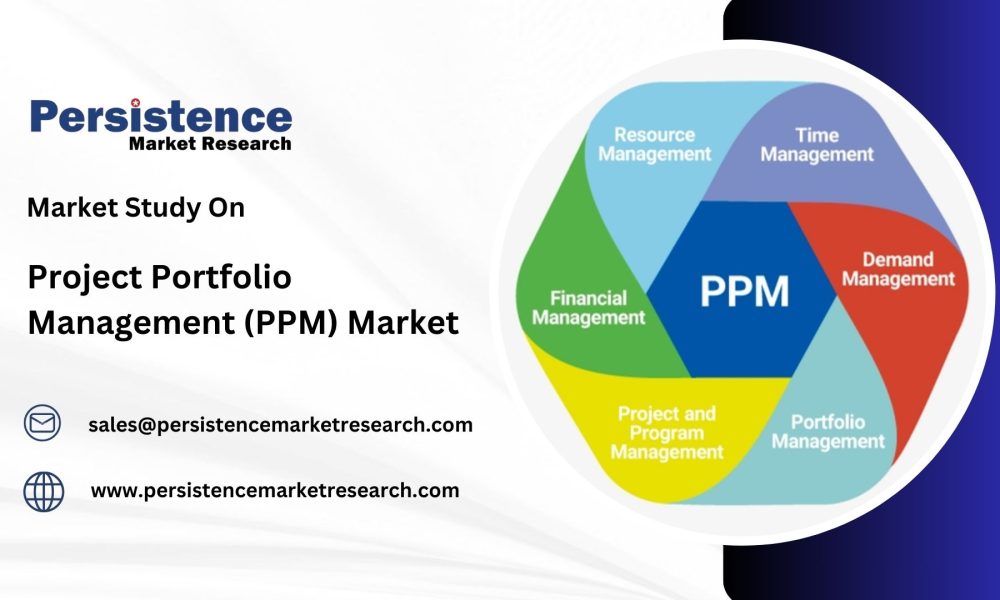
The global project portfolio management (PPM) market is undergoing significant transformation as organizations worldwide seek smarter ways to manage resources, align projects with strategic goals, and maximize business outcomes. According to market insights, the global PPM market size is likely to be valued at US$ 5.6 billion in 2025 and is estimated to reach US$ 9.8 billion by 2032, registering a CAGR of 8.3% during the forecast period (2025–2032). This growth is being driven by rising demand for efficient resource allocation, strategic project alignment, and advanced decision-making capabilities across industries dealing with multiple, complex projects.
As enterprises face mounting pressure to remain competitive, PPM solutions—comprising both software and services—are emerging as essential tools to ensure project governance, advanced analytics, and effective resource management. This article explores the key market trends, growth drivers, challenges, regional outlook, and future opportunities shaping the global PPM landscape.
What is Project Portfolio Management (PPM)?
Project Portfolio Management refers to a systematic process that organizations use to evaluate, prioritize, and manage a portfolio of projects. Unlike project management, which focuses on individual project execution, PPM emphasizes alignment of all projects with strategic business objectives. It provides visibility across the project portfolio, ensuring that resources are allocated optimally and risks are managed effectively.
Modern PPM solutions go beyond scheduling and budgeting—they offer data-driven insights, predictive analytics, and automation features to help decision-makers identify high-value projects, eliminate redundancies, and maximize ROI.
Market Growth Drivers
- Increasing Need for Strategic Alignment
In today’s competitive environment, organizations cannot afford to waste time and resources on projects that do not contribute to overall business goals. PPM tools enable executives to prioritize projects that align with strategic objectives, ensuring optimal allocation of capital and talent.
- Rising Complexity of Multi-Project Environments
As businesses expand globally, managing multiple interdependent projects has become increasingly complex. PPM solutions provide centralized dashboards, performance tracking, and collaboration tools, allowing enterprises to maintain control over large project ecosystems.
- Demand for Data-Driven Decision-Making
The integration of big data, AI, and advanced analytics in PPM tools is fueling adoption. Executives now rely on real-time project performance data, risk analysis, and predictive insights to make informed decisions and improve project outcomes.
- Growing Adoption of Cloud-Based Solutions
Cloud deployment models offer scalability, cost efficiency, and remote accessibility—qualities that are especially valuable in the era of hybrid and remote work. Cloud-based PPM platforms are gaining traction among SMEs and large enterprises alike.
- Regulatory and Compliance Requirements
Industries such as healthcare, BFSI, and construction face strict regulatory frameworks. PPM tools ensure compliance by offering detailed reporting, documentation, and audit trails, reducing the risk of penalties and reputational damage.
Key Challenges in the PPM Market
Despite promising growth, the PPM market faces several hurdles:
- High Implementation Costs: Advanced PPM systems can be expensive, especially for SMEs with limited budgets.
- Change Management Issues: Resistance to adopting new digital tools often slows implementation in traditional organizations.
- Integration Challenges: Seamlessly integrating PPM solutions with existing ERP, CRM, and HR systems remains a challenge.
- Data Security Concerns: With the rise of cloud-based solutions, ensuring robust data protection and cybersecurity is critical.
These challenges highlight the need for vendors to provide cost-effective, user-friendly, and secure solutions that appeal to organizations of all sizes.
Segmentation Analysis
The PPM market can be segmented based on component, deployment mode, organization size, application, and region.
By Component
- Software: Includes cloud-based and on-premise solutions for project scheduling, analytics, and resource management.
- Services: Comprises consulting, training, integration, and support services that help organizations adopt and optimize PPM tools.
By Deployment Mode
- Cloud-Based PPM: Rapidly growing due to lower upfront costs, easy scalability, and remote access.
- On-Premise PPM: Preferred by organizations requiring higher control over data and customized solutions.
By Organization Size
- Large Enterprises: Drive the majority of demand, as they often manage hundreds of projects simultaneously.
- SMEs: Increasing adoption due to the availability of cost-effective, cloud-based solutions tailored for smaller operations.
By Application
- IT & Telecom
- BFSI (Banking, Financial Services, and Insurance)
- Healthcare
- Construction & Infrastructure
- Manufacturing
- Others (Government, Education, Retail, etc.)
Each of these industries benefits uniquely from PPM tools, whether through regulatory compliance, operational efficiency, or better financial oversight.
Elevate your business strategy with comprehensive market data. Request a sample report now: https://www.persistencemarketresearch.com/samples/10637
Regional Outlook
North America
North America holds a dominant share of the global PPM market due to strong technology adoption, presence of major vendors, and growing demand across IT, BFSI, and healthcare sectors. The U.S., in particular, is a hub for innovation and early adoption of AI-powered PPM tools.
Europe
Europe shows steady growth, driven by digital transformation initiatives, particularly in the UK, Germany, and France. EU regulations also fuel the adoption of compliance-oriented PPM solutions.
Asia-Pacific
APAC is projected to experience the fastest growth during the forecast period. Rapid industrialization, expanding IT infrastructure, and increasing investments in digital solutions across China, India, and Southeast Asia are propelling demand.
Middle East & Africa
MEA is emerging as a promising market, particularly in construction, oil & gas, and government projects. Governments’ focus on infrastructure development supports PPM adoption.
Latin America
Countries like Brazil and Mexico are gradually adopting PPM solutions as enterprises seek to improve productivity and compete globally.
Competitive Landscape
The PPM market is highly competitive, with vendors focusing on innovation, partnerships, and cloud offerings. Key players include:
- Oracle Corporation
- SAP SE
- Microsoft Corporation
- Planview, Inc.
- Broadcom Inc. (CA Technologies)
- ServiceNow, Inc.
- Smartsheet Inc.
- Wrike, Inc.
These companies are investing heavily in AI, machine learning, and predictive analytics to enhance their offerings. Additionally, many vendors are focusing on providing user-friendly interfaces, mobile accessibility, and integration capabilities.
Future Trends and Opportunities
AI and Predictive Analytics
AI-powered PPM tools will revolutionize project selection and risk management by offering predictive insights and automation capabilities.
Integration with Collaboration Platforms
Integration with tools like Microsoft Teams, Slack, and Zoom will enhance cross-functional collaboration and project visibility.
Focus on Sustainability
As organizations embrace ESG (Environmental, Social, and Governance) initiatives, PPM solutions will incorporate sustainability metrics to track eco-friendly projects.
Rise of Agile and Hybrid Approaches
The increasing use of Agile methodologies in combination with traditional project management approaches will lead to hybrid PPM models that balance flexibility with structure.
Expansion into SMEs
With the rise of affordable, cloud-based PPM platforms, small and medium-sized businesses will become a major growth segment.
Conclusion
The global Project Portfolio Management (PPM) market is on a robust growth trajectory, expected to expand from US$ 5.6 billion in 2025 to US$ 9.8 billion by 2032 at a CAGR of 8.3%. The market’s momentum is fueled by the growing need for resource optimization, strategic alignment, and advanced decision-making across industries.
While challenges such as high costs and integration issues persist, advancements in cloud technology, AI, and analytics are paving the way for innovative solutions. With North America leading adoption and Asia-Pacific emerging as the fastest-growing region, the PPM market promises significant opportunities for vendors and organizations alike.
As enterprises continue to navigate increasingly complex project environments, PPM solutions will play a pivotal role in helping them achieve efficiency, transparency, and long-term success.
Related Reports:




