
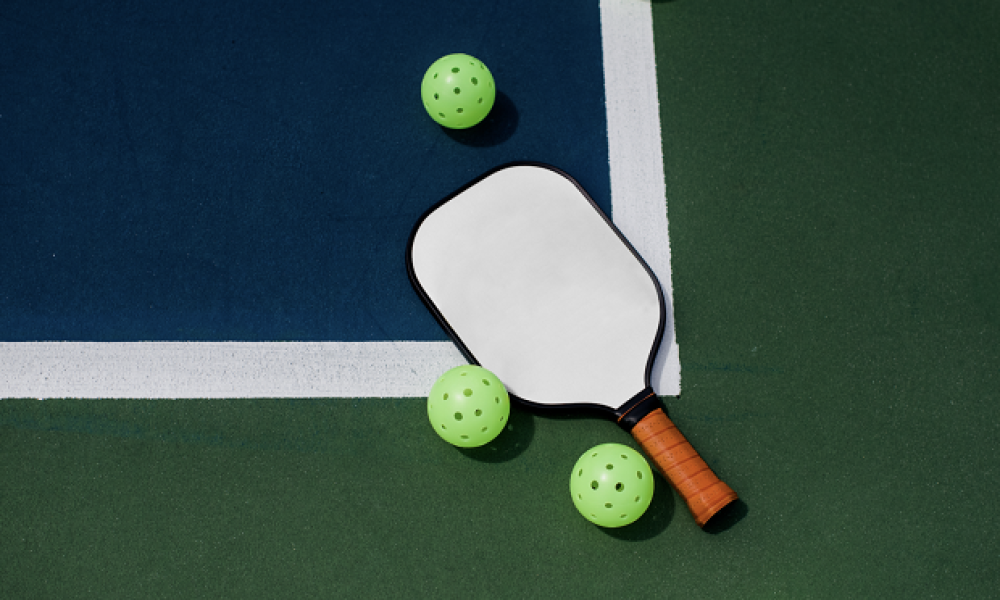
From Wood Origins to High-Tech Composite Innovations
Pickleball began with solid wood paddles, which offered durability but little finesse. As the game got faster, manufacturers introduced lightweight plastic and aluminum options. These materials improved response but lacked the touch serious players needed.
Today, carbon fiber and fiberglass dominate high-performance paddles. Carbon fiber provides stiffness, giving strong attackers more power and accuracy. Fiberglass offers more flex, helping with touch and forgiveness. Hybrid composites combine the best traits: power from carbon fiber, control from fiberglass, and a lighter feel.
Each material brings trade-offs:
| Material | Benefit | Trade-Off |
| Carbon Fiber | Power, precision | Less touch |
| Fiberglass | Better feel, control | Slightly heavier |
| Hybrid | Balance of power and touch | Can cost more |
How Polymer Core Variations Shape Ball Response
Inside every paddle, a unique core determines ball feel and response. Three core types stand out: nomex honeycomb, polymer, and aluminum.
- Nomex Honeycomb: Delivers speed and pop, suited for aggressive hitters.
- Polymer: Softer, absorbs more shock. Offers control and a quiet sound, appealing to touch players.
- Aluminum: Light and responsive, aids precise placements. Can feel rigid.
Cell size, density, and wall thickness also affect ball interaction:
- Smaller, denser cells: Improve control, reduce vibration
- Large cells: Increase pop, may sacrifice finesse
- Thicker walls: Boost durability, add weight
| Core Type | Power | Control | Forgiveness | Suitability |
| Nomex | High | Medium | Low | Power hitters |
| Polymer | Low | High | High | Dinking specialists |
| Aluminum | Medium | High | Medium | Precision, lightweight |
Power-focused players benefit from nomex. Dinking and control players often prefer polymer cores.
Leveraging Surface Engineering for Maximum Spin with Pickleball Paddle Textures
Surface engineering has reshaped how paddles generate spin. Manufacturers use micro-rough coatings, textured molds, and UV-cured paints to increase friction.
- Micro-rough coatings catch the ball more, allowing sharper topspin and slice.
- Textured molds shape the paddle to grip the ball at any angle.
- UV-cured paints create lasting texture for reliable spins.
Players experience:
- Sharper passing shots
- Heavier slices
- More effective drop shots
Review manufacturers’ tech specs before you buy to explore a range of surface-engineered pickleball paddles that prioritize grip and spin.
Matching Paddle Profiles to Playing Style Demands
Shape, weight, and balance shape every shot.
Face Shapes:
- Elongated: Extra reach, boosts power—good for baseline play but harder to maneuver at net.
- Standard: Balanced reach and control.
- Wide-body: Bigger sweet spot, optimal for blocks and dinks.
- Teardrop: Concentrates power near the top, useful for overhead shots.
Weight & Balance:
| Balance Type | Swing Speed | Maneuverability | Fatigue | Best For |
| Head-Heavy | Slower | Lower | High | Drives, power |
| Balanced | Moderate | Good | Moderate | Versatility |
| Head-Light | Fast | High | Low | Net play, speed |
Net specialists often choose head-light, wide-body paddles. Baseline sluggers may favor elongated, head-heavy options.
Smart Sensor Integration in Modern Paddle Design
Recent high-end paddles offer embedded sensors that track play details.
- Accelerometers and gyroscopes: Measure swing tempo, shot speed, and spin rate.
- Companion apps: Visualize shot locations, patterns, and offer drill suggestions.
This tech lets players:
- Quantify shot consistency
- Identify weak spots
- Track progress over time
Smart paddles cost more, but players seeking detailed feedback may find them valuable for refining their game.
Hands-On Assessment Strategies Before Purchase
Testing paddles before buying leads to smarter decisions. Use drills that reveal differences in feel and function:
- Volleys: Check for balance and quick response
- Dinks: Assess touch and control at soft speeds
- Drives: Examine core power, paddle vibration
- Spin drills: Execute slices or topspins, test surface grip
Many local clubs and shops offer demo programs, sometimes with coach feedback.
Quick Test Checklist:
- Listen for clean, consistent sound on impact
- Inspect edge-guard strength with light taps
- Gauge handle comfort and overall feel in repeated action
Enhancing Paddle Longevity with Grips and Edge Guards
Overgrips and edge guards extend paddle life and improve play.
- Overgrips: Boost hand comfort, manage sweat, slightly increase swing weight. Choose tacky polymers for grip or cushioned foam for softness.
- Edge guards: Shield paddle edges from chips, protecting the core against cracks.
Select grip material and edge-guard width based on preference and style—thicker foam softens feel, while sleeker polymers keep the paddle nimble.
Turning Cutting-Edge Paddle Features into Competitive Advantage
Gear choices affect on-court tactics:
- Spin coatings allow sharper cross-court angles, making passes harder to return.
- Core firmness helps blast quick drives or control soft dinks.
- Elongated shapes enable reach for mid-court smashes.
Players can adjust tactics by exploiting their paddle’s strengths—using spin for angled drop shots, or relying on a firm core to dominate at the net.
Next Steps for Gear-Driven Improvement
Modern pickleball paddles use high-tech materials, smart sensors, and customizable features. Composite faces and polymer cores have changed ball dynamics and increased control. Advanced textures unlock bigger spin.
Stay open to trying new paddle shapes, surfaces, and tech integrations as offerings evolve. Continual testing and a willingness to change gear can help players adapt, gain an edge, and keep progressing as designs improve. Stay tuned to trusted paddle sources for updates and reviews on the next-gen tools that could take your court results to the next level.




