
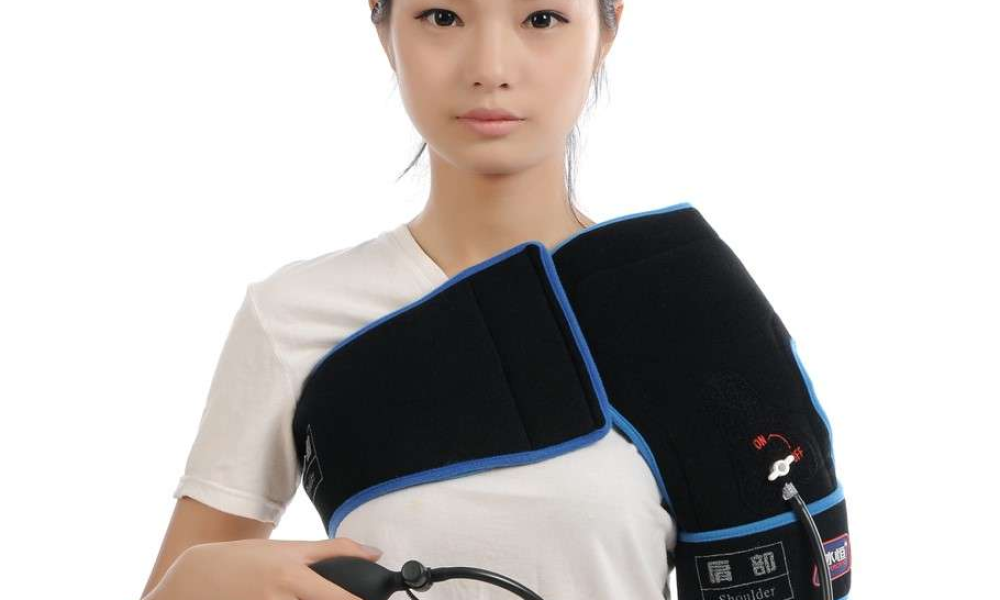
Orthopedic cold compression wraps designed for shoulder recovery address one of the more demanding rehabilitation challenges in postoperative care. Shoulder surgery — whether rotator cuff repair, labrum reconstruction, total shoulder replacement, or fracture repair — involves one of the body’s most complex and mobile joints, and the quality of pain and swelling management in the days immediately following surgery has a direct effect on how well rehabilitation progresses from there. Getting that early recovery window right matters more than most patients realize before they’re in it.
Why Shoulder Recovery Is Particularly Demanding
The shoulder’s exceptional range of motion — the feature that makes it so functionally useful — is also what makes surgery on it so consequential. Repairing the structures that enable that mobility requires a period of immobilization during initial healing, while simultaneously keeping the joint as free of swelling as possible so that therapeutic movement can begin as early as the surgical team determines is safe.
Post-surgical edema in the shoulder restricts range of motion, amplifies pain with any movement, and directly delays the point at which physical therapy can progress meaningfully. The shoulder also presents a more diffuse swelling pattern than joints like the knee, where swelling concentrates predictably around the joint line. Effective orthopedic cold compression wraps for shoulder recovery need to contact the anterior, posterior, and lateral aspects of the joint simultaneously rather than cooling only the most accessible surface.
What Dedicated Shoulder Wraps Do That Generic Products Can’t
The gap between a purpose-built orthopedic cold compression wrap for the shoulder and a makeshift cold therapy setup — frozen gel pack, bag of ice cubes, consumer product not designed for the shoulder specifically — shows up immediately in practice. Generic products don’t conform to shoulder anatomy. They shift during use, warm unevenly across the surface, and require the patient or a caregiver to hold them in place or rig some kind of securing method that introduces variability and inconsistency into every application.
A purpose-built shoulder wrap drapes over the entire shoulder complex, conforming simultaneously to the anterior and posterior surfaces and maintaining consistent contact across the joint. That full-surface coverage means the therapeutic cold reaches the areas where post-surgical inflammation is actually occurring rather than only cooling whatever surface happens to face upward. The compression component contributes independently of the cold — supporting lymphatic drainage and limiting fluid accumulation in the joint space in ways that ice alone doesn’t achieve.
Duration and Why It Matters
One of the most clinically meaningful variables in cold therapy effectiveness is how long each application maintains therapeutic temperature. Standard consumer ice packs typically hold effective cold for 20 to 30 minutes before warming past the point where benefit diminishes. Managing cold therapy with rotating consumer packs requires active attention and means the joint goes through repeated warming cycles between applications.
Longer-duration cold therapy that maintains temperature for three or more hours allows for consistent therapeutic coverage during the periods when patients most need uninterrupted management — overnight, during extended rest in the first days post-surgery, and during physical therapy sessions where the goal is to permit therapeutic movement while controlling the inflammatory response it triggers. For hospitals and surgical centers, longer-duration products also reduce nursing intervention requirements for cold therapy reapplication, which has real workflow implications in busy postoperative care environments.
Applications Beyond the Shoulder
While shoulder surgery recovery is where orthopedic cold compression wraps see particularly high demand, the same principles apply across other postoperative contexts. The knee, ankle, and elbow all benefit from purpose-built wraps that conform to specific joint anatomy rather than generic cold application — and the performance gap between dedicated products and improvised alternatives is consistent across all of them.
Oncology applications represent a growing use case where consistent, conforming cold delivery matters significantly — specifically scalp cooling during chemotherapy infusions to reduce treatment-related hair loss. General surgery recovery also benefits from purpose-built cold compression solutions, particularly for abdominal procedures where patient mobility limitations make self-management of standard cold therapy genuinely difficult.
What Patients Should Ask About Before Surgery
The most effective time to think about orthopedic cold compression wraps for shoulder recovery is before the procedure rather than after it. Patients who arrive home from surgery with an appropriate cold therapy system already in place can begin consistent management immediately rather than improvising with household items during the period when swelling control is most critical to the recovery trajectory.
Asking the surgical team or the facility about available cold therapy options before discharge — and understanding the proper application technique from the start — means the first days at home go more smoothly and the patient gets the full benefit of what orthopedic cold compression wraps are designed to deliver. The use instructions cover application technique, duration, and frequency in straightforward terms that make self-management at home realistic even for patients managing recovery largely on their own.




