
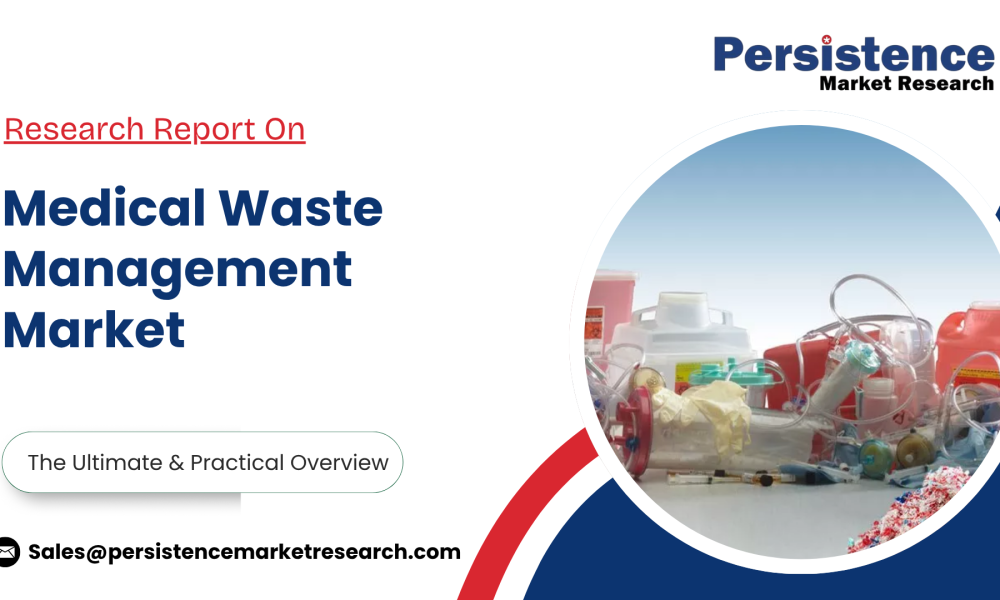
The medical waste management market is set to grow at a robust pace, with projections indicating an expansion from US$10 billion in 2024 to US$15.6 billion by 2031. The market is expected to secure a compound annual growth rate (CAGR) of 6.5% from 2024 to 2031, as increasing healthcare activities, stringent regulatory pressures, and innovations in waste disposal technology shape its future trajectory.
Market Size and Trends Analysis
The medical waste management sector plays a vital role in maintaining public health and environmental sustainability. As of 2024, the market is estimated to be worth US$10 billion and is expected to grow significantly over the next decade. Several key factors contribute to this upward trajectory, including stricter waste disposal regulations, technological advancements, and a global healthcare system focused on sustainability and infection control.
A significant trend within this market is the rise of real-time waste tracking systems, such as remote monitoring systems (RMS), which allow for more efficient and compliant waste management processes. Technologies like TE-5000 sterilization systems, which enable on-site treatment and disposal of sharps and bio-waste, are also gaining traction. These innovations are expected to drive market growth by improving safety, efficiency, and environmental sustainability in healthcare waste management.
Get a Sample Copy of Research Report (Use Corporate Mail id for Quick Response): https://www.persistencemarketresearch.com/samples/34561
Key Industry Highlights
The medical waste management market has witnessed substantial progress, driven by advancements in waste treatment technologies and growing regulatory requirements. Innovations such as automated waste segregation systems and smart waste bins that optimize the collection process are transforming the industry. These advancements not only ensure compliance with regulations but also improve the operational efficiency of healthcare facilities.
Moreover, the rising adoption of renewable energy sources, such as waste-to-energy technologies, marks another significant development in the industry, reducing the environmental impact of medical waste disposal.
Market Dynamics
Drivers
Regulatory Compliance: Stringent regulatory frameworks like the Resource Conservation and Recovery Act (RCRA) and local regulations drive healthcare institutions to adopt safer and more environmentally responsible waste management practices. As these regulations become more comprehensive, the need for specialized waste disposal services continues to grow.
Infection Control and Patient Safety: The COVID-19 pandemic highlighted the critical importance of effective waste management in controlling healthcare-associated infections (HAIs). With the rise in disposable medical equipment, including PPE, hospitals and healthcare centers must implement more efficient medical waste management systems to protect both patients and frontline workers.
Technological Advancements: The introduction of innovations such as smart bins, real-time tracking, and advanced sterilization technologies are driving the demand for more efficient and sustainable waste management solutions.
Restraints
Environmental and Public Health Concerns: Improper disposal of healthcare waste poses significant risks to the environment, including contamination of water resources and the release of toxic chemicals. Additionally, the practice of incinerating medical waste can contribute to air pollution, especially when not carried out under strict regulations.
Cost Constraints: For many healthcare providers, the costs associated with medical waste disposal can be a substantial burden. The high cost of compliance with safety regulations and the need for specialized equipment can challenge healthcare providers, especially in low-income regions.
Opportunities
Eco-friendly Practices: There is a growing opportunity in developing sustainable waste management practices, such as recycling and composting medical waste. Companies adopting these practices not only reduce environmental impact but also meet the increasing demand for eco-friendly solutions within the healthcare sector.
Expanding Markets in Developing Economies: As healthcare infrastructure improves in emerging economies, the demand for efficient medical waste management solutions is on the rise. Companies that enter these markets early can establish themselves as leaders in the space and benefit from long-term growth opportunities.
Category-wise Analysis
The medical waste management market can be segmented into hazardous and non-hazardous waste categories.
Non-hazardous Waste: The non-hazardous waste segment is projected to grow at a rate of 5.3% through 2031. This category includes paper, plastics, and general office waste generated by healthcare facilities. Proper disposal of non-hazardous waste is crucial for maintaining hygiene and regulatory compliance in healthcare settings.
Hazardous Waste: The hazardous waste segment, which includes sharps, contaminated materials, and pharmaceutical waste, is also growing rapidly. Healthcare facilities, particularly hospitals, are significant contributors to this category. With growing patient numbers and medical procedures, hospitals continue to generate increasing volumes of hazardous waste, which necessitates specialized disposal solutions.
Request for Customization of the Research Report: https://www.persistencemarketresearch.com/request-customization/34561
Regional Insights
The global market for medical waste management is geographically diverse, with different regions exhibiting varying growth rates and trends.
North America: North America leads the global medical waste management market, with a projected CAGR of 5.9%. This growth is largely driven by stringent regulations, particularly the Resource Conservation and Recovery Act (RCRA), and a strong focus on sustainable waste management practices. Healthcare facilities in the U.S. and Canada are increasingly adopting advanced waste disposal technologies to comply with these regulations.
Asia Pacific: The Asia Pacific region is expected to experience the highest CAGR of 6.1% through 2031. Rapid industrialization, improving healthcare infrastructure, and increasing awareness of medical waste management are key drivers in this region. Governments are implementing stricter waste disposal regulations, further bolstering market growth.
Competitive Landscape
The medical waste management market is highly competitive, with several players focusing on acquisitions, partnerships, and technological innovations to strengthen their market positions. Major companies in the industry include:
Waste Management, Inc.
Stericycle, Inc.
Clean Harbors, Inc.
Republic Services, Inc.
These companies are investing heavily in the development of automated waste segregation systems, smart waste tracking technologies, and waste-to-energy solutions to improve efficiency and reduce environmental impacts.
Recent Developments
Several strategic developments have taken place in the medical waste management market recently, signaling the ongoing evolution of the industry.
Acquisitions: In June 2024, Waste Management, Inc. announced an acquisition of Stericycle for US$62 per share in cash, indicating the consolidation of key players within the industry. Similarly, in March 2024, Clean Harbors, Inc. acquired HEPACO for $400 million, reflecting ongoing market consolidation and the push towards expanding service offerings.
Technological Innovations: In the realm of waste treatment, companies are focusing on advanced sterilization and waste-to-energy technologies. The integration of Internet of Things (IoT) solutions for waste tracking and remote monitoring is expected to significantly improve operational efficiency in the sector.
Market Segmentation
The market is segmented based on waste type (hazardous and non-hazardous), treatment method (autoclaving, incineration, chemical treatment, etc.), and end-user (hospitals, diagnostic centers, pharmaceutical companies, etc.).
Non-hazardous waste is expected to dominate the market, reflecting its broad presence in healthcare settings and increasing emphasis on sustainable waste management practices.
Hospitals continue to be the largest end-users of medical waste management services, followed by diagnostic centers and pharmaceutical companies. As healthcare services expand globally, these facilities are generating increasing volumes of waste that require specialized disposal.
Future Outlook
The medical waste management market is poised for continued growth, driven by evolving regulatory frameworks, technological innovations, and rising environmental consciousness. As governments worldwide impose stricter regulations to curb environmental and public health risks, the demand for advanced waste management solutions will remain strong.
Furthermore, companies that focus on sustainable practices such as medical waste recycling and composting, alongside innovations in waste treatment technologies, will be well-positioned to capture market share in the evolving landscape. The market’s future is closely tied to the healthcare sector’s continued growth, particularly in emerging economies, as well as its increasing focus on sustainability, making medical waste management an integral part of global healthcare infrastructure moving forward.




