
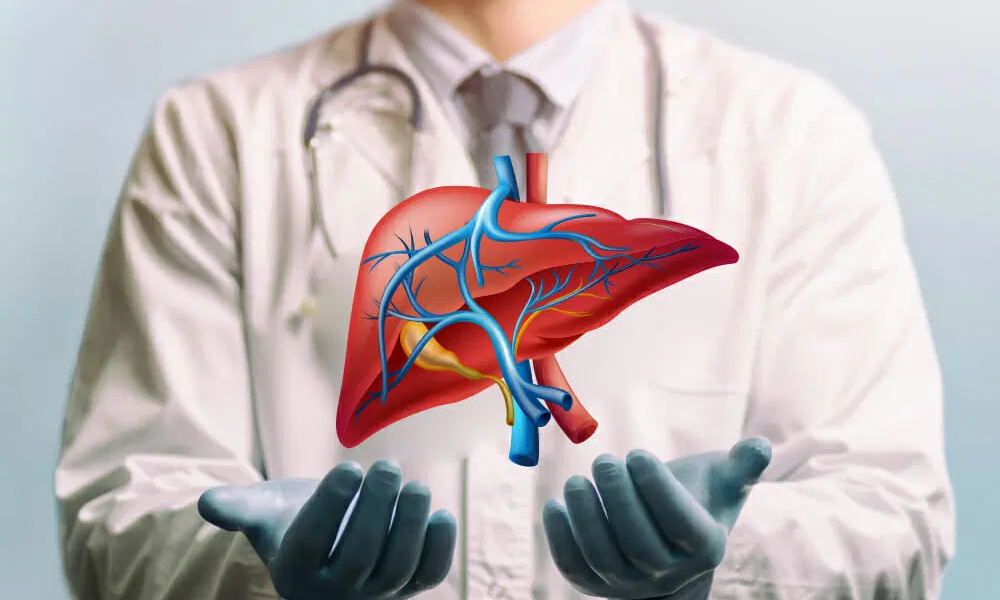
The global liver transplantation market is set to witness significant growth in the coming years. Projected to expand at a Compound Annual Growth Rate (CAGR) of 6.8%, the market is expected to rise from a valuation of US$ 1,901.0 million in 2025 to US$ 3,010.1 million by 2032. This growth trajectory is driven by advancements in surgical techniques, the increasing prevalence of liver diseases, and innovations in organ preservation technologies. With these developments, the liver transplantation market is poised to become a major segment within the global healthcare industry.
Market Introduction and Definition
Liver transplantation is a critical medical procedure, primarily performed for patients suffering from end-stage liver diseases or acute liver failure. The process involves replacing a diseased or failing liver with a healthy one from a deceased or living donor. This complex surgery offers a new chance at life for individuals facing terminal liver conditions, restoring both liver function and overall health. Over time, liver transplantation has become a well-established and reliable treatment modality, providing a lifeline for patients who might otherwise have limited treatment options.
The need for liver transplants has grown in tandem with the rise of liver-related diseases, including cirrhosis, hepatocellular carcinoma, and chronic viral infections. As these conditions have become more prevalent globally, demand for liver transplants has escalated. Furthermore, significant advancements in surgical procedures, immunosuppressive drugs, and post-transplant care have enhanced the success rates of liver transplants, making them a more viable option for patients in need.
Download Your Free Sample & Explore Key Insights: https://www.persistencemarketresearch.com/samples/33816
Key Drivers of Market Growth
Advancements in Surgical Techniques
Recent innovations in surgical techniques are driving the growth of the liver transplantation market. Improvements in surgical instruments, along with the adoption of minimally invasive approaches, have contributed to reduced complications, faster recovery times, and better overall transplant outcomes. Additionally, advancements in organ preservation methods, such as machine perfusion systems and cryopreservation, have extended the viability of donor organs. These technologies allow for a broader window for organ transportation, improving donor-recipient matching and overall success rates.
The adoption of living donor liver transplantation (LDLT) is another critical factor propelling market growth. LDLT allows for the donation of a portion of a living person’s liver, offering an alternative to deceased donor transplants. As this approach becomes more accepted and feasible, it alleviates some of the strain caused by organ shortages, offering a lifeline to more patients.
Expansion of Donor Pool and Organ Preservation Technologies
The shortage of donor organs remains a significant challenge within the liver transplantation market. However, the expanding donor pool, driven by innovative approaches such as LDLT and the use of organs from extended criteria donors, has helped to address this issue. Additionally, breakthroughs in organ preservation technologies, like normothermic machine perfusion and hypothermic storage, have drastically improved the longevity and quality of preserved organs. These advancements facilitate better organ matching, thereby reducing waiting times and improving transplant outcomes.
Increasing Acceptance of Living Donor Liver Transplantation (LDLT)
LDLT is gradually becoming an essential part of the transplantation landscape. Many countries have established comprehensive programs to facilitate living liver donation. This shift not only addresses the organ shortage but also provides an opportunity for patients to receive a transplant more quickly. Healthcare providers, particularly in regions with a significant disease burden and organ scarcity, are investing heavily in these programs.
Market Restraints
Despite the positive growth trends, the liver transplantation market faces several challenges. One of the primary concerns is the issue of immunological factors and the risk of organ rejection. Even with the development of advanced immunosuppressive therapies, the potential for graft rejection remains a significant hurdle. Immunosuppressive drugs such as cyclosporine, tacrolimus, and sirolimus have improved transplant success rates, but they come with the risk of side effects, including infections and long-term organ damage. Further research into personalized immunosuppressive treatment plans could help mitigate these challenges.
Organ Shortage and Procurement Challenges
The demand for liver transplants far exceeds the available donor organs, resulting in long waiting lists and a significant number of preventable deaths. Organ procurement is a complex process involving compatibility testing, transportation logistics, and ethical considerations. This shortage necessitates urgent efforts to optimize organ donation systems, enhance public awareness, and leverage technological advancements to maximize the number of viable organs available for transplantation.
Get Custom Insights Designed for Your Business: https://www.persistencemarketresearch.com/request-customization/33816
Opportunities in the Liver Transplantation Market
Innovations in Organ Preservation
One of the most promising opportunities in the liver transplantation market lies in innovations in organ preservation technologies. New techniques, including machine perfusion systems, have the potential to revolutionize how donor organs are preserved before transplantation. These systems allow for the oxygenation of organs outside the body, thereby extending the window of time for transplant procedures. As these technologies become more advanced and widespread, they are expected to improve organ matching, increase the donor pool, and ultimately reduce the number of patients who remain on waiting lists for transplants.
Growth of LDLT Programs
Another avenue for growth is the expansion of LDLT programs. These programs help meet the growing demand for liver transplants by utilizing living donors, which not only alleviates the strain on deceased donor organs but also shortens waiting times for patients in need of a transplant. Increased awareness campaigns, coupled with improved clinical protocols for living donor assessment, will likely result in more widespread acceptance and adoption of LDLT as a standard procedure in many parts of the world.
Regional Dynamics: Key Markets in Focus
Europe
Europe stands out as a dominant region in the liver transplantation market. The region benefits from integrated healthcare systems, which foster seamless coordination among transplant centers, hospitals, and regulatory bodies. European countries also have well-established organ procurement and allocation systems that ensure fair distribution and timely transplantation. Collaborative research initiatives have led to significant advancements in transplant success rates and surgical techniques, further solidifying Europe’s position as a leader in the field.
South Asia & Pacific
South Asia and the Pacific region are emerging as the fastest-growing markets for liver transplantation. The rise in liver diseases, such as hepatitis and non-alcoholic fatty liver disease (NAFLD), coupled with increasing healthcare investments, is fueling demand for liver transplantation services. Countries in this region are also expanding their healthcare infrastructure to better support liver transplant programs, which is expected to further accelerate growth in the coming years.
Competitive Landscape
Prominent players in the liver transplantation market include Allosource, Conatus Pharmaceuticals Inc., Digna Biotech S.L., Dompe Farmaceutici S.p.A., and RedHill Biopharma Ltd., among others. These companies are at the forefront of developing advanced organ preservation solutions, immunosuppressive therapies, and diagnostic tools critical to liver transplantation. Collaborations between healthcare providers, pharmaceutical companies, and medical device manufacturers are helping to drive innovation and improve patient outcomes.
Checkout Now & Download Complete Market Report: https://www.persistencemarketresearch.com/checkout/33816
Liver Transplantation Market Research Segmentation
By Product Type:
- Organ Preservation Solutions
- Immunosuppressive Drugs
- Others
By Treatment Type:
- Liver Transplantation Surgery
- Post-Surgery Anti-Rejection Treatment
- Cyclosporine
- Tacrolimus
- Sirolimus Prednisone Azathioprine
- Mycophenolate Mofetil
By End-use:
- Hospitals
- Adult Liver Transplantation Centers
- Ambulatory Surgical Centers
By Region:
- North America
- Europe
- East Asia
- South Asia & Oceania
- Latin America
- Middle East & Africa
Recent Market Developments
Breakthrough Device Designation for XVIVO’s Liver Assist Device
In 2022, XVIVO received Breakthrough Device Designation from the US Food and Drug Administration (FDA) for its Liver Assist device, which uses oxygenated machine perfusion to preserve donor livers before transplantation. This breakthrough technology promises to improve organ preservation and transplantation outcomes, positioning XVIVO as a key player in the evolving landscape of liver transplantation.
Recognition of Rela Hospital for Pediatric Liver Transplants
In 2022, the Transplant Authority of Tamil Nadu awarded Rela Hospital for its excellence in liver transplantation, particularly in pediatric cases. This recognition highlights the hospital’s expertise and commitment to high-quality transplantation services, setting a benchmark for other institutions globally.
Future Outlook
The liver transplantation market is on a positive growth trajectory, driven by technological advancements, increasing disease burdens, and innovative surgical techniques. The integration of artificial intelligence (AI) and machine learning (ML) for better donor-recipient matching, along with the potential of regenerative medicine, offers exciting prospects for the future. However, challenges such as organ shortages and immunological complications remain, requiring continued research and collaboration across the healthcare ecosystem.
As the market grows, companies and healthcare providers will need to focus on improving organ procurement processes, advancing preservation technologies, and ensuring optimal post-transplant care to remain competitive. By leveraging strategic partnerships and investing in next-generation treatments, the liver transplantation sector will continue to evolve, providing life-saving solutions to an increasing number of patients worldwide.




