
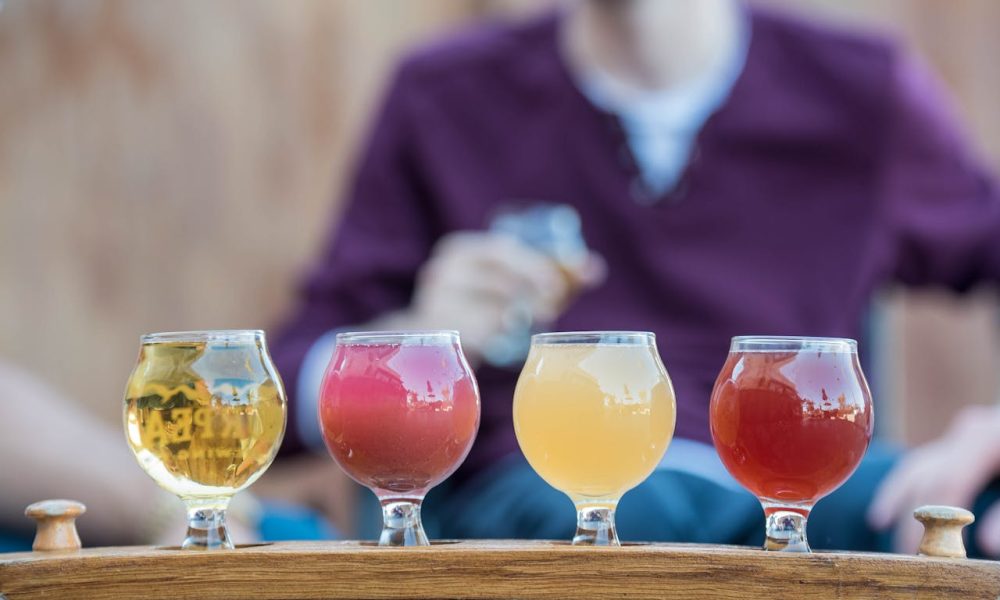
Most people start drinking socially. Maybe it’s a glass of wine with dinner at restaurants, a few beers at parties, or cocktails during girls’ night out. For many people, alcohol stays in this category forever. But for others, what begins as occasional social drinking quietly shifts into something that happens every single day.
The transition is usually so gradual that you don’t notice it happening. One day you’re only drinking on weekends, and somehow months later you’re having a glass of wine every evening to unwind. The scary part is how normal this feels once it becomes your routine.
The Sneaky Shift From Sometimes to Always
Social drinking has clear boundaries. It happens during specific events, with certain people, or in particular settings. You might have a drink at happy hour with coworkers on Fridays, or split a bottle of wine with your partner during date nights. The drinking is tied to the social situation, not to your daily emotional needs.
Daily drinking operates differently. It becomes part of your personal routine rather than something that depends on outside circumstances. You start having that evening glass of wine whether you’re alone or with others. The drink becomes less about the social experience and more about how it makes you feel.
The shift often happens during stressful periods. Maybe you’re dealing with work pressure, relationship problems, or family issues. Having a drink starts feeling helpful for managing these feelings. What used to be occasional stress relief becomes a daily coping strategy.
When people find that alcohol has become their primary way to handle daily stress or emotions, professional support can be crucial for breaking the pattern. Programs that address both the physical and psychological aspects of regular drinking, such as the Legacy Healing Rehabilitation of alcohol, help people develop healthier coping strategies and address underlying issues that drive daily use.
Warning Signs You Might Miss
The clearest sign that social drinking has become a daily habit is frequency, but other changes happen alongside this shift. Your reasons for drinking start changing. Instead of drinking because you’re celebrating or socializing, you drink because you’re tired, stressed, bored, or anxious.
Your tolerance probably increases without you realizing it. That one glass of wine that used to relax you now barely has any effect, so you start having two. The amount you need to feel the same way keeps creeping up over time.
You might notice that you get irritable or restless on days when you don’t drink. This happens because your body has started expecting alcohol as part of its daily chemical balance. Without it, you feel off in ways that are hard to describe.
Your social life might start revolving more around drinking, even when you don’t consciously plan it that way. You choose restaurants based on their wine list, suggest bars for meetups more often, or feel uncomfortable at events where alcohol isn’t available.
The Emotional Component Nobody Talks About
Daily drinking often develops because alcohol becomes your primary tool for managing emotions. After a long day, instead of processing stress through exercise, talking to friends, or other healthy outlets, you automatically reach for a drink.
This creates a problematic cycle. When you use alcohol to handle difficult emotions regularly, you never develop other coping skills. So when stress gets worse or new problems arise, drinking feels like the only solution that works quickly.
The emotional dependence can be just as significant as any physical aspects. You start feeling like you can’t relax, socialize, or handle problems without alcohol. This mental dependence often develops before any obvious physical symptoms appear.
Many people in this situation still function perfectly well at work, maintain relationships, and handle their responsibilities. This is why daily drinking can continue for years without anyone, including the person doing it, recognizing it as problematic.
When Your Body Starts Expecting It
Your body is incredibly adaptive. When you drink regularly, it adjusts its natural chemical production to account for the alcohol. Your brain might reduce its production of certain feel-good chemicals because it expects to get them from alcohol instead.
This means that on days when you don’t drink, you might feel more anxious, depressed, or agitated than you used to before you started drinking daily. These feelings aren’t necessarily withdrawal in the medical sense, but they’re your body’s way of telling you it has grown accustomed to regular alcohol intake.
Sleep patterns often change too. While alcohol might help you fall asleep initially, it disrupts your sleep quality. You might wake up more during the night or feel less rested in the morning, which then makes you want to drink again the next evening to relax.
Your energy levels throughout the day can shift as well. The mild hangover effects from daily drinking might become so normal that you forget what it feels like to wake up naturally refreshed and alert.
The Social Camouflage Effect
One reason daily drinking can go unnoticed for so long is that it often looks socially acceptable. Having a glass of wine with dinner or a beer after work fits within normal social expectations. Unlike other substances, alcohol is so integrated into adult social life that regular use doesn’t stand out.
You might even be drinking less than some of your friends during social occasions, which can make daily drinking seem moderate by comparison. But the key difference is that your drinking has become disconnected from social situations and tied to your daily emotional management instead.
Friends and family might not notice the shift because your drinking behavior during social events hasn’t necessarily changed. The problem is what’s happening when you’re alone or in non-social situations.
Making Changes That Actually Stick
Recognizing that social drinking has become a daily habit is often the hardest part. Once you see the pattern clearly, you can start making intentional changes. Some people can successfully reduce their drinking by setting specific rules for themselves, such as only drinking on weekends or limiting themselves to certain amounts.
But for many people, daily drinking has become so woven into their stress management and daily routine that willpower alone isn’t sufficient. The emotional and physical dependence that develops over time often requires professional support to address safely and effectively.
This doesn’t mean you’re weak or that you’ve failed somehow. It just means that your relationship with alcohol has evolved to a point where changing it requires more tools than you can access on your own. Getting appropriate help is actually a sign of self-awareness and strength.
The goal isn’t necessarily to never drink again, though that might be the best choice for some people. The goal is to regain control over your drinking so that it serves your life rather than controlling it. This means developing other ways to manage stress, socialize, and relax that don’t depend on alcohol as the primary solution.




