
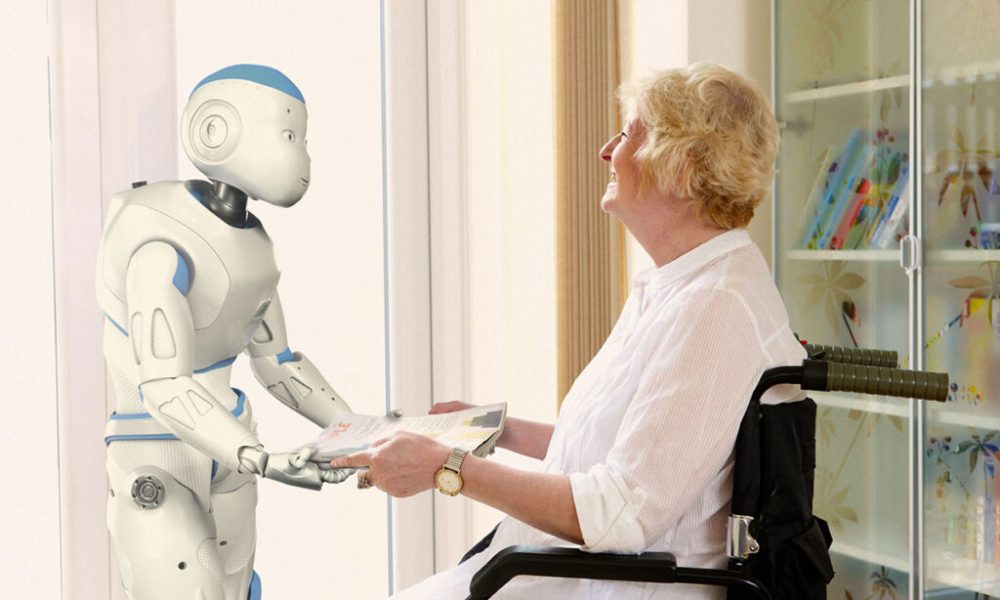
The global healthcare companion robots market has been witnessing a remarkable transformation, driven by the convergence of robotics, artificial intelligence (AI), and healthcare technology. Unlike traditional industrial robots, healthcare companion robots are designed with social and emotional intelligence, enabling them to assist patients not only with physical tasks but also with psychological support. These robots are increasingly deployed in hospitals, rehabilitation centers, and elderly care facilities to alleviate the burden on healthcare professionals while enhancing patient engagement and care quality. They can deliver medications, monitor health parameters, and even provide companionship, especially to vulnerable groups such as the elderly and patients with chronic conditions.
According to recent market projections, the healthcare companion robots market is expected to grow from US$ 2.50 billion in 2025 to US$ 6.86 billion by 2032, registering a CAGR of 15.5% during this period. This growth is fueled by the rising geriatric population, technological advancements in AI and robotics, and the growing shortage of healthcare professionals worldwide. Humanoid robots dominate the market by type, accounting for approximately 70% of global market share, primarily due to their precision, versatility, and ability to simulate human-like interactions. Geographically, the Asia Pacific region leads global sales, capturing 51% of the market, largely due to rapidly aging populations in countries like Japan, China, and South Korea, coupled with significant governmental support for AI-driven healthcare solutions.
Download Your Free Sample & Explore Key Insights: https://www.persistencemarketresearch.com/samples/35172
Key Highlights from the Healthcare Companion Robots Market Report
• Humanoid robots led the type category with 70% market share due to their precision and adaptability.
• The geriatric age group dominates the market with 40% of global revenue.
• Asia Pacific healthcare companion robots lead global sales with 51% market share.
• North America is expected to witness substantial expansion, driven by advanced healthcare infrastructure.
• Europe is anticipated to experience the fastest growth over the forecast period.
• AI-driven emotional intelligence in companion robots is emerging as a key growth opportunity.
Market Segmentation
The healthcare companion robots market can be segmented based on product type, end-user, and age group, reflecting the diverse needs of healthcare systems and patients. By product type, the market is dominated by humanoid robots, which are extensively used for precise caregiving, patient monitoring, and therapeutic interventions. Other types include animal-like robots, such as Paro, the robotic seal, which provide emotional support to patients, particularly the elderly or those with dementia.
By end-user, hospitals, rehabilitation centers, and elderly care facilities are the primary adopters of companion robots. Hospitals employ these robots to support overburdened staff by handling routine tasks, while rehabilitation centers use them for therapeutic interventions in pediatric and geriatric care. Elderly care facilities benefit from robots that reduce feelings of isolation and promote cognitive engagement. Furthermore, segmentation by age group indicates a dominant demand from the geriatric population, as these individuals require assistance with daily activities, health monitoring, and emotional companionship.
Regional Insights
Regional trends indicate Asia Pacific as the market leader, driven by an accelerating aging population and proactive governmental initiatives promoting healthcare technology adoption. Countries like Japan, China, and South Korea have invested heavily in AI-driven healthcare solutions, fostering R&D and innovation. Ease of regulatory approvals and increased expenditure on robotics are also key factors sustaining market dominance in the region.
North America is poised for substantial growth due to advanced healthcare infrastructure, high adoption of AI technology, and a rising elderly population. The United States, in particular, faces a projected shortfall of over 150,000 healthcare professionals by 2030, prompting widespread deployment of companion robots to fill critical gaps in patient care.
Europe is expected to witness the fastest growth, supported by a strong focus on technological innovation and home-based care services. Rising automation in elderly care and rehabilitation, coupled with patient-centric healthcare delivery, is accelerating the adoption of companion robots across Germany, the UK, and France.
Get Custom Insights Designed for Your Business: https://www.persistencemarketresearch.com/request-customization/35172
Market Drivers
One of the strongest growth drivers for the healthcare companion robots market is the shortage of healthcare workers and burnout crisis. Globally, healthcare systems are projected to face a deficit of 15 million professionals by 2030, placing enormous pressure on existing nurses, doctors, and caregivers. Healthcare companion robots, such as Moxi and Buddy, are stepping in to handle non-critical tasks, including delivering medications, monitoring vitals, and assisting patients with daily activities. By automating routine workflows, these robots allow healthcare staff to focus on critical and complex care needs, improving patient outcomes and reducing professional burnout. Moreover, the growing emphasis on AI-driven solutions and personalized patient care is further accelerating market adoption, as hospitals and long-term care facilities increasingly seek innovative ways to optimize operations while enhancing patient satisfaction.
Market Restraints
Despite significant growth prospects, the healthcare companion robots market faces ethical concerns and limitations in human interaction. Critics argue that robotic caregivers lack the emotional depth and empathy necessary for certain patient populations, particularly the elderly who require meaningful interpersonal connections. Additionally, privacy and data security concerns pose a challenge, as these robots collect sensitive health information, including daily routines and biometric data. Cybersecurity threats and potential misuse of data could hinder market growth unless robust data protection protocols and AI ethics regulations are implemented. The necessity for hybrid care models, where robots complement rather than replace human caregivers, is critical to maintaining trust and ethical standards in patient care.
Market Opportunities
The healthcare companion robots market holds immense potential in the development of AI-powered emotional intelligence for personalized care. Next-generation robots are being designed to recognize human emotions, respond empathetically, and provide tailored mental health support. For example, socially assistive robots (SARs) like Paro and ElliQ are already demonstrating the ability to reduce loneliness among elderly patients, promote social engagement, and assist individuals with dementia or depression. With advancements in AI and natural language processing (NLP), future companion robots are expected to deliver round-the-clock emotional support, complementing human caregivers and enhancing overall quality of care. The convergence of AI and robotics in this domain represents one of the most transformative opportunities for the healthcare industry, promising a future of empathetic, tech-driven patient support.
Checkout Now & Download Complete Market Report: https://www.persistencemarketresearch.com/checkout/35172
Company Insights
The healthcare companion robots market is highly competitive, with a focus on technological innovation, strategic partnerships, and the development of emotionally intelligent robots. Key players in the market include:
• ASUS
• Luvozo
• Ubtech
• Emotix
• Intuition Robotics
• inGen Dynamics
• No Isolation
• Honda Robotics
• Hanson Robotics
• PARO Robots U.S., Inc.
• Blue Frog Robotics & Buddy
Recent Developments:
In March 2024, Franka Robotics launched the Franka AI Companion to assist robotics researchers, enhancing productivity and innovation in healthcare robotics.
In January 2024, Intuition Robotics introduced substantial updates to ElliQ, integrating generative AI to improve interaction, emotional intelligence, and patient engagement in elderly care.
Conclusion
The healthcare companion robots market is poised for rapid growth as aging populations, technological advancements, and healthcare workforce shortages converge to create strong demand for AI-driven caregiving solutions. Humanoid robots dominate the market due to their precision and versatility, while animal-like robots provide emotional support, particularly for elderly patients. The Asia Pacific region currently leads in adoption due to its aging population and supportive government initiatives, whereas Europe is expected to see the fastest growth due to innovations in home-based care and patient-centric solutions. While ethical concerns and data privacy issues present challenges, the market’s opportunities in AI-powered emotional intelligence and personalized care are transformative. With ongoing investments and innovations, healthcare companion robots are set to become an integral part of modern healthcare, bridging the gap between technology and compassionate patient care.




