
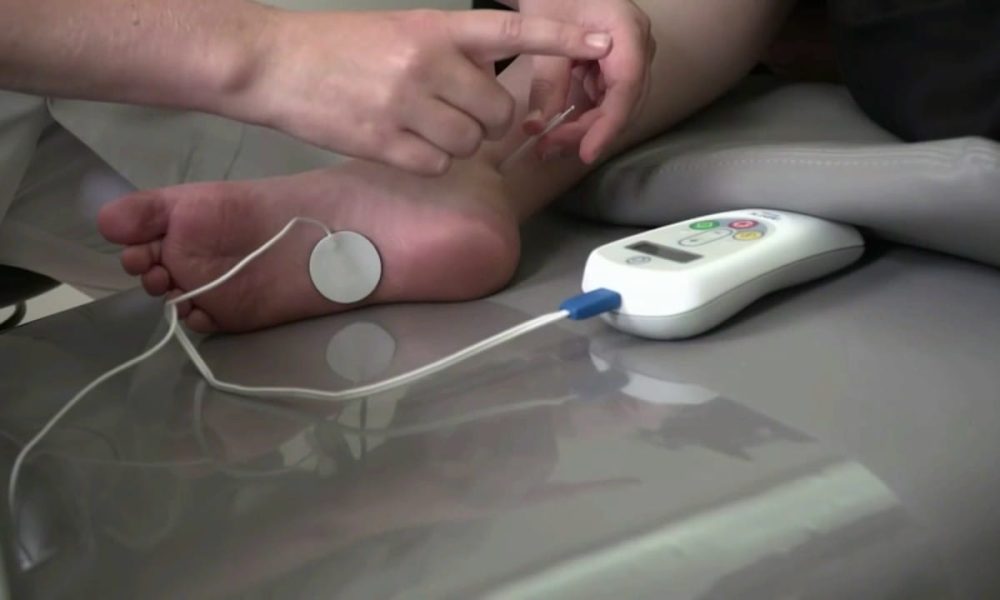
The global tibial neuromodulation devices market is witnessing a robust growth trajectory, with sales projected to rise at a CAGR of 8.1% between 2022 and 2032. According to recent market analysis, the market is estimated to be valued at USD 97.7 million in 2022 and is anticipated to more than double, reaching an impressive USD 230.7 million by 2032.
This promising expansion is primarily attributed to the rising incidence of urological disorders, a marked shift towards minimally invasive treatment procedures, and the increasing adoption of outpatient therapies. Tibial neuromodulation devices are gaining traction among healthcare providers and patients alike for their ability to provide targeted therapy with minimal discomfort and shorter recovery periods.
Discover Market Shifts: Secure Your Sample Report Now! https://www.futuremarketinsights.com/report-sample#5245502d47422d35313435
Surge in Urological Disorders Amplifies Demand
The prevalence of urological disorders such as urinary incontinence, overactive bladder (OAB), and interstitial cystitis has been climbing steadily, creating a burgeoning demand for effective, minimally invasive treatments. Tibial neuromodulation has emerged as a compelling solution by offering long-term symptom relief through peripheral nerve stimulation.
In addition to urological applications, tibial neuromodulation devices are being increasingly adopted in the treatment of neurological conditions such as Parkinson’s disease, epilepsy, spinal cord injury, and migraines. The ability of these devices to stimulate specific neural pathways and modulate biological responses has positioned them as a preferred choice in modern neurotherapy.
Outpatient Preference Boosts Market Adoption
The move towards outpatient care is another pivotal factor fueling the expansion of the tibial neuromodulation devices market. Patients and healthcare facilities alike are showing a strong preference for treatment modalities that require shorter hospital stays or can be administered outside of traditional clinical settings. Percutaneous tibial nerve stimulation (PTNS) procedures, which can be performed in outpatient environments, offer both cost-effectiveness and convenience, driving their rapid adoption globally.
Furthermore, advancements in device miniaturization and portability are enabling more flexible treatment options, empowering clinicians with the tools to deliver precision neuromodulation therapy with enhanced patient compliance.
Technological Advancements Open New Avenues
The market is also benefitting from ongoing research and innovation in the field of neuromodulation. Recent developments in electrode technology, device programming, and stimulation protocols are significantly improving the efficacy and patient outcomes of tibial neuromodulation therapies. Enhanced device features such as wireless connectivity, rechargeable power systems, and real-time monitoring capabilities are redefining the standards of care and boosting physician confidence in these solutions.
Particularly, advancements in percutaneous tibial neuromodulation devices have contributed significantly to the market’s momentum. These innovations are not only improving the precision and control of stimulation but also making treatment less invasive and more tolerable for patients.
Market Expansion Through Strategic Collaborations
Leading industry players are actively pursuing strategic mergers and acquisitions to strengthen their market footprint and broaden their product portfolios. By leveraging synergies and expanding their global reach, these companies are well-positioned to cater to the rising demand across developed and emerging markets.
Additionally, increasing investments in new economies—especially in Asia-Pacific and Latin America—are expected to present lucrative growth opportunities for manufacturers. These regions are experiencing a rise in healthcare spending, growing awareness of neurological conditions, and improvements in medical infrastructure, making them ideal targets for market expansion.
Surge in Market Demand: Explore Comprehensive Trends and Analysis in Our Full Report! https://www.futuremarketinsights.com/reports/percutaneous-tibial-neuromodulation-devices-market
Barriers to Growth: Awareness and Affordability
Despite the market’s strong outlook, certain challenges remain. High treatment costs continue to be a barrier to wider adoption, particularly in lower-income regions. Moreover, a general lack of awareness about tibial neuromodulation devices and available treatment options continues to hinder market penetration.
Educational initiatives targeting healthcare professionals and the general public, alongside efforts to secure insurance reimbursements and streamline regulatory approvals, will be critical in addressing these concerns and unlocking the full market potential.
Key Takeaways:
- North America is expected to account for 34.1% of the tibial neuromodulation devices market share during the forecast period, driven by:
- High rates of diagnosis and treatment.
- Greater adoption of neuromodulation devices for managing chronic illnesses.
- A higher prevalence of chronic conditions, especially in the U.S.
- Favorable reimbursement policies supporting device usage.
- Europe is projected to lead the global market with a dominant 40.1% share, fueled by:
- A robust healthcare infrastructure.
- Rising approvals for non-invasive tibial neuromodulation devices.
- Accelerated sales growth anticipated between 2022 and 2032.
- The market in Europe is also expected to benefit from increased CE mark approvals for new and regional players, further driving growth in the coming decade.
Future Outlook: Innovation and Accessibility Key to Success
As the burden of neurological and urological conditions continues to mount, the role of advanced, patient-friendly solutions such as tibial neuromodulation devices becomes increasingly vital. The next decade is expected to witness a surge in innovation aimed at enhancing patient comfort, reducing costs, and expanding therapeutic applications.
With a clear shift in patient and physician preferences toward minimally invasive and outpatient procedures, the tibial neuromodulation devices market is well-positioned to become a cornerstone of modern neuromodulation therapy.
Competitive Landscape: Tibial Neuromodulation Devices Market
The tibial neuromodulation devices market remains highly consolidated, with the top four companies commanding over 90% of the market share as of 2022. Medtronic plc has emerged as the market leader, driven by its comprehensive product portfolio, strong brand recognition, robust global presence, and well-established distribution network.
Prominent players identified in the market include Medtronic plc, Cogentix Medical, Palex Medical SA, and Rainbow Medical Group. These companies have primarily focused on strategies such as product launches, strategic partnerships, and geographic expansion to address evolving consumer needs and stay competitive in the market.
Recent Developments in the Market
- ElectroCore Inc. received U.S. FDA approval in November 2018 for its gammaCore device, a non-invasive vagus nerve stimulation (nVNS) therapy. The device was cleared as an adjunctive treatment for cluster headaches.
- LivaNova PLC secured FDA approval in October 2017 for SenTiva, a vagus nerve stimulation system indicated for drug-resistant epilepsy in patients aged four years and older.
Understand the Future of Healthcare with Our Analysis! https://www.futuremarketinsights.com/industry-analysis/therapeutic-device
Key Market Segments in the Tibial Neuromodulation Devices Market
By Application:
- Faecal Incontinence
- Overactive Bladder
By End User:
- Hospital
- Ambulatory Surgical centers
- Clinics
- Specialty Care Unit
- Others
By Region:
- North America
- Latin America
- Asia Pacific
- Middle East and Africa (MEA)
- Europe
About Future Market Insights (FMI)
Future Market Insights, Inc. (ESOMAR certified, recipient of the Stevie Award, and a member of the Greater New York Chamber of Commerce) offers profound insights into the driving factors that are boosting demand in the market. FMI stands as the leading global provider of market intelligence, advisory services, consulting, and events for the Packaging, Food and Beverage, Consumer Technology, Healthcare, Industrial, and Chemicals markets. With a vast team of over 400 analysts worldwide, FMI provides global, regional, and local expertise on diverse domains and industry trends across more than 110 countries.




