
The global synthetic biology market is poised for exponential growth, with its value expected to climb from USD 3.75 billion in 2024 to a staggering USD 31.73 billion by 2034. Registering a robust compound annual growth rate (CAGR) of 23.8%, the market is being reshaped by technological advancements, rising demand for gene-based therapeutics, and growing adoption across various industries, including healthcare, agriculture, and energy.
At the forefront of this dynamic market is the oligonucleotides segment, which is projected to dominate with over 21.70% market share in 2024. Oligonucleotides, as short sequences of nucleotides, play a pivotal role in the synthesis and manipulation of genetic material, making them indispensable in research, diagnostics, and therapeutics.
Uncover Market Opportunities: Access a Sample Report Now! https://www.futuremarketinsights.com/report-sample#5245502d47422d31323236
Redefining Biological Engineering
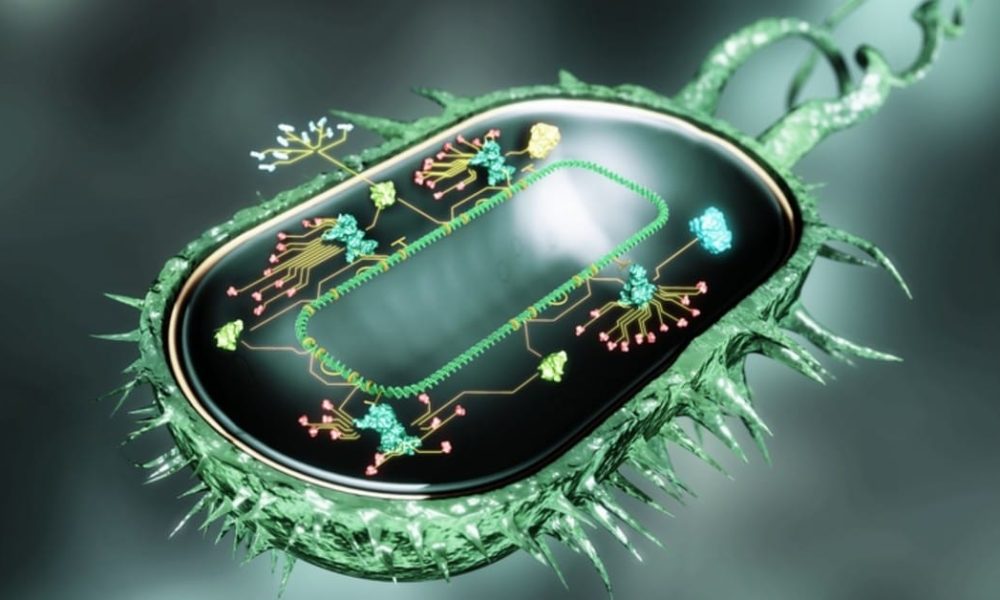
Synthetic biology is a revolutionary interdisciplinary field that integrates biology and engineering principles to design and construct new biological parts, devices, and systems. Beyond creating novel organisms, it also aims to enhance the functions of existing biological systems. As the world grapples with complex health, agricultural, and environmental challenges, synthetic biology is rapidly emerging as a powerful solution to transform how we tackle these issues.
Driving Forces Behind Market Growth
Several key drivers are contributing to the surge in the synthetic biology market:
- Increased Demand for Genetically Modified Crops: With a rising global population and pressure on food systems, synthetic biology enables the engineering of crops with improved yield, resilience to pests, and climate adaptability.
- Bio-Based Chemical Production: The market is witnessing an uptick in demand for eco-friendly and cost-effective alternatives to petrochemicals, fueling interest in bio-based chemicals developed through synthetic processes.
- Renewable Fuels: Synthetic biology offers a sustainable solution to the energy crisis by engineering organisms to produce biofuels, thus reducing dependence on fossil fuels.
- Affordable Pharmaceuticals: The need for low-cost, high-efficacy drugs is pushing pharmaceutical companies to invest in synthetic biology to streamline drug development and manufacturing.
- Rising Prevalence of Diseases: The increasing incidence of complex diseases like cancer, autoimmune conditions, and infectious diseases has spotlighted the need for innovative therapeutic approaches. Synthetic biology is at the core of this shift, enabling the design of targeted therapies that address unmet medical needs.
Healthcare at the Helm of Innovation
One of the most promising arenas for synthetic biology is healthcare. The field is transforming medicine by allowing researchers to manipulate metabolic pathways and discover new therapeutic targets. With the help of advanced technologies such as gene sequencing and genome editing, synthetic biology enables the rapid design, testing, and deployment of biologically derived molecules and antigens.
These innovations are accelerating the development of:
- Antibody therapies – Personalized treatments that harness the immune system to fight diseases.
- Vaccines – Next-generation vaccines that are safer, more effective, and faster to produce.
- Cellular Signaling Tools – Used in diagnostics and treatments, helping to understand and control cellular behavior.
Such advancements are pivotal in the fight against both long-standing and emerging health threats. Notably, synthetic biology has shown immense promise in cancer therapy, infectious disease management, and the development of immune modulators.
“Synthetic biology is not just about modifying DNA. It’s about designing intelligent systems that can sense and respond to disease in real-time,” commented a senior biotech researcher. “We’re talking about programmable biology, where a living cell can be engineered to detect disease and deliver therapy precisely where it’s needed.”
Environmental and Social Impact
Beyond the healthcare industry, synthetic biology is becoming a catalyst for environmental sustainability. Engineered microbes are now being used to degrade pollutants, recycle waste, and even produce biodegradable plastics. In agriculture, synthetic biology facilitates the development of nitrogen-fixing crops, reducing the need for chemical fertilizers and enhancing soil health.
Moreover, the accessibility and affordability of synthetic biology tools are democratizing science. With low-cost gene editing kits and open-source platforms, researchers across the globe—including those in resource-limited settings—are gaining the ability to innovate and solve localized problems.
Rising Demand for Market Data: Our Full Report Offers Deep Insights and Trend Analysis! https://www.futuremarketinsights.com/reports/synthetic-biology-market
Key Takeaways from the Synthetic Biology Market Report
- The United Kingdom’s synthetic biology industry is projected to experience a CAGR of 19% through 2034.
- Germany’s synthetic biology market is expected to grow at a rapid CAGR of 14.8% through 2034.
- Japan’s synthetic biology industry is anticipated to record a CAGR of 12.5% through 2034.
- The Indian synthetic biology industry is expected to showcase an impressive CAGR of 27% through 2034.
- The Chinese synthetic biology market is expected to display an encouraging CAGR of 26% through 2034.
Competitive Landscape of the Synthetic Biology Market
The field of synthetic biology is experiencing a rapid transformation driven by novel approaches, collaborative initiatives, and strategic investments from key market players. Companies such as Agilent Technologies and Thermo Fisher Scientific are paving the way for the development of cutting-edge technologies and applications to solve critical environmental and societal challenges.
Meanwhile, firms such as Medichem and Bota Bio are expanding the market through strategic alliances and partnerships with universities and other stakeholders. These companies are closely working with regulatory agencies to ensure ethical and safety guidelines compliance. As a result, the synthetic biology industry is emerging as a key driver of economic growth and technological advancements, shaping its future in exciting and innovative ways.
Recent Developments in the Synthetic Biology Market
- A noteworthy development in the global endeavor to create synthetic copies of the yeast genome, Saccharomyces cerevisiae (Sc) 2.0, was the development of a yeast strain with over 50% synthetic DNA in November 2023 by a team led by Ben Blount at the University of Nottingham in the United Kingdom.
- Researchers Eric Young and Kevin Keating at WPI created a generic set of DNA components in July 2023 that can be utilized to construct DNA sequences in various bacterial species, enabling gene expression across species.
Key Companies in the Synthetic Biology Market
- Thermo Fisher Scientific, Inc.
- Merck KGaA
- Novozymes
- Agilent Technologies, Inc.
- Codexis, Inc.
- Bota Biosciences Inc.
- Creative Biogene.
- Creative Enzymes.
- Enbiotix, Inc.
- Illumina, Inc.
- Eurofins Scientific
- New England Biolabs
- Pareto Bio, Inc.
- Scarab Genomics, Llc
Get Your Hands on Healthcare Market Projections Now! https://www.futuremarketinsights.com/industry-analysis/life-science-and-biotechnology
Key Segments
By Product:
- Oligonucleotides
- Enzymes
- Synthetic Cells
- Cloning Technologies Kits
- Xeno-Nucleic Acids
- Chassis Organism
By Application:
- Healthcare
- Non-Healthcare
By End User:
- Biopharmaceutical manufacturers
- Academic and Government Research Institutes
- Others
By Region:
- North America
- Latin America
- Europe
- East Asia
- South Asia
- Oceania
- Middle East and Africa
Outlook: A Decade of Disruption and Opportunity
Looking ahead, the next decade will be crucial for the synthetic biology industry. With rising R&D investments, favorable government initiatives, and collaborations between academia and industry, the stage is set for unprecedented breakthroughs.
Major players are expected to invest heavily in:
- Platform technologies for gene circuit design
- Automated biofoundries for rapid prototyping
- Cloud-based biological design and modeling tools
These innovations will streamline workflows, reduce costs, and bring synthetic biology products to market faster.
However, with innovation comes responsibility. Ethical considerations, biosafety concerns, and regulatory frameworks will play a critical role in shaping the future of the market. Transparent governance, international cooperation, and public engagement will be essential to ensure safe and equitable growth.
Conclusion
The synthetic biology market is entering a golden era, driven by necessity, innovation, and ambition. With the potential to solve some of the world’s most pressing challenges—from disease eradication to climate resilience—it stands at the intersection of science, industry, and society.




