
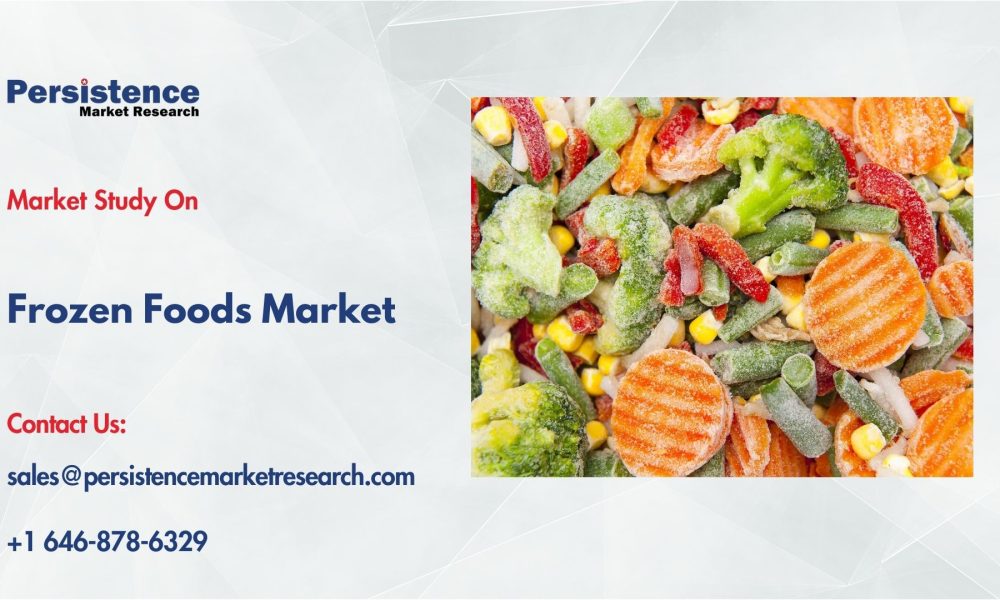
The global frozen foods market is poised for sustained growth over the forecast period, driven by evolving consumer lifestyles, increasing urbanization, and rising demand for convenient meal solutions. The market is estimated to be valued at US$ 311.6 billion in 2026 and is projected to reach US$ 450.3 billion by 2033, registering a steady compound annual growth rate (CAGR) of 5.4% from 2026 to 2033.
Frozen foods have become an integral component of modern retail and foodservice ecosystems due to their extended shelf life, reduced food wastage, and convenience in preparation. Rapid growth in dual-income households, busy work schedules, and a rising preference for ready-to-cook and ready-to-eat meals are key factors contributing to the expansion of the market. Moreover, improvements in cold chain logistics, packaging technologies, and freezing techniques have significantly enhanced product quality, taste retention, and nutritional value, further accelerating consumer adoption.
The increasing penetration of organized retail, e-commerce grocery platforms, and expansion of supermarket chains across emerging economies are also strengthening distribution networks for frozen food products. Additionally, heightened awareness regarding food preservation, bulk purchasing, and home meal consumption patterns—especially influenced by recent global disruptions—continues to support long-term demand.
Get Your FREE Sample Report Instantly – Click Now: https://www.persistencemarketresearch.com/samples/3374
Segmentation Analysis
By Product Type
- Fruits & Vegetables
- Dairy Products
- Ready Meals
- Meat & Seafood
- Bakery & Confectionery
- Snacks and Appetizers
By Nature
- Raw
- Half Cooked
- Ready to Eat
By Distribution Channel
- B2B
- B2C
- Hypermarkets/Supermarkets
- Convenience Stores
- Specialty Stores
- Online Retail
- Others
Regional Insights
North America represents one of the largest markets for frozen foods, driven by well-established cold chain infrastructure, high consumption of convenience foods, and strong presence of leading food processing companies. The United States continues to dominate regional demand, supported by high household freezer penetration and widespread acceptance of frozen meal solutions.
Europe holds a substantial market share, with countries such as Germany, the United Kingdom, France, and Italy demonstrating consistent demand. The region benefits from advanced food processing technologies and strong regulatory frameworks that ensure food safety and quality standards. Increasing demand for premium and organic frozen food options is also contributing to growth across European markets.
Asia Pacific is projected to be the fastest-growing regional market during the forecast period. Rapid urbanization, rising disposable incomes, and changing dietary preferences in countries such as China, India, Japan, and South Korea are driving adoption of frozen food products. Expansion of organized retail chains and improvements in refrigeration infrastructure further enhance market penetration.
Latin America and the Middle East & Africa are emerging markets, witnessing gradual expansion due to rising urban populations, growing hospitality sectors, and increasing investments in cold storage facilities.
Unique Features and Innovations in the Market
Technological advancements in freezing techniques, such as individual quick freezing (IQF), are significantly enhancing product quality by preserving taste, texture, and nutritional content. Improved packaging solutions with moisture-resistant and microwave-safe materials are increasing consumer convenience.
Digital transformation is playing a crucial role in shaping the frozen foods market. Artificial intelligence (AI) is being used to optimize demand forecasting, inventory management, and supply chain efficiency. Internet of Things (IoT)-enabled temperature monitoring systems ensure compliance with cold chain standards, reducing spoilage and enhancing traceability.
Furthermore, automation in food processing facilities improves production efficiency and maintains hygiene standards. Data analytics tools are enabling companies to better understand consumer preferences and introduce targeted product innovations.
Need Tailored Insights? Request Customization Now: https://www.persistencemarketresearch.com/request-customization/3374
Market Highlights
The rising preference for convenience, extended shelf life, and reduced food waste are among the primary reasons businesses and consumers are adopting frozen food solutions. Cost-effectiveness compared to fresh alternatives, especially in regions with seasonal supply fluctuations, further supports market growth.
Regulatory emphasis on food safety and quality assurance standards enhances consumer confidence in frozen products. Sustainability initiatives, including energy-efficient refrigeration systems and eco-friendly packaging materials, are also shaping industry practices. Companies are increasingly focusing on reducing carbon footprints and adopting responsible sourcing strategies.
Key Players and Competitive Landscape
- Nestlé
- Cargill, Incorporated
- Unilever
- Associated British Foods plc
- Grupo Bimbo
- Tyson Foods, Inc.
- General Mills, Inc.
- Hormel Foods Corporation
- Conagra Brands, Inc.
- Ajinomoto Co., Inc.
- ITC Limited
- McCain Foods Limited
- Del Monte Foods, Inc.
- Others
Future Opportunities and Growth Prospects
The frozen foods market is expected to witness continued growth fueled by innovation, premiumization, and expansion into health-oriented product categories. Increasing demand for clean-label, organic, and plant-based frozen foods presents significant opportunities for manufacturers.
Advancements in cold chain infrastructure, digital supply chain management, and sustainable packaging solutions will further enhance operational efficiency and consumer trust. As consumer lifestyles continue to evolve and demand for convenient meal options grows, the frozen foods market is well-positioned to achieve steady expansion through 2033.
Explore the Latest Trending Research Reports:




