
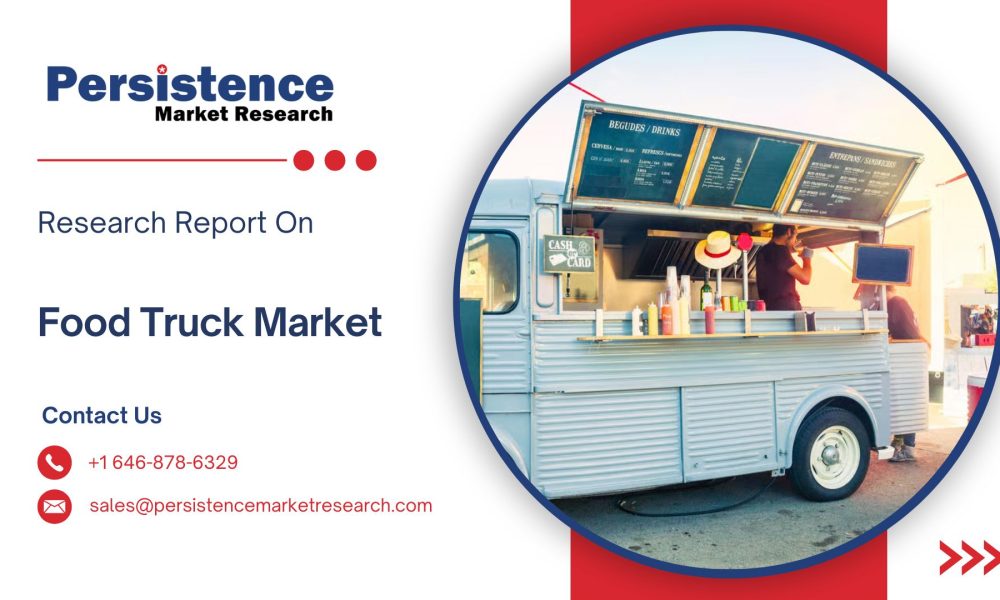
The global food truck market is evolving as one of the most dynamic segments of the food service industry. It is gaining rapid traction due to its unique blend of mobility, affordability, and variety in culinary offerings. As consumers seek convenient and high-quality dining options outside of traditional restaurants, food trucks have emerged as a highly appealing alternative. The sector has grown beyond small startups into a mainstream business model, attracting entrepreneurs and established brands alike.
According to Persistence Market Research, the global food truck market size is anticipated to rise from US$ 4.9 Bn in 2025 to US$ 7.5 Bn by 2032, representing a CAGR of 6.4% during the forecast period. This robust growth is being fueled by several key factors, including the rise of urbanization, growing demand for street food, lower overhead costs compared to brick-and-mortar restaurants, and the ability of food trucks to adapt quickly to consumer preferences. North America remains the leading region, owing to a mature food service culture and strong demand for diverse cuisines, while the quick-service segment dominates the market as it caters to fast-moving urban populations.
Get a Sample Copy of Research Report (Use Corporate Mail id for Quick Response): https://www.persistencemarketresearch.com/samples/35285
Key Highlights from the Report
➤ The global food truck market is projected to grow at a CAGR of 6.4% between 2025 and 2032.
➤ Market valuation will rise from US$ 4.9 Bn in 2025 to US$ 7.5 Bn by 2032.
➤ North America continues to lead the global market share due to widespread adoption of mobile dining.
➤ Quick-service food trucks dominate the segment, offering affordable and fast meals.
➤ Low setup and operational costs drive entrepreneurship in the food truck industry.
➤ Rising urban populations and consumer demand for convenience further propel market growth.
Market Segmentation
The food truck market can be segmented based on product type, with key categories including fast food, desserts & confectionery, vegan & vegetarian offerings, and regional cuisines. Fast food trucks dominate the segment as they offer quick, affordable, and universally popular options such as burgers, sandwiches, and fried snacks. Dessert trucks are also gaining traction, especially in urban centers and at events, as consumers look for indulgent treats on the go. Vegan and plant-based trucks represent an emerging category, reflecting global shifts toward healthier and sustainable eating habits.
End-user segmentation highlights the importance of different customer bases such as urban professionals, event organizers, and student populations. Food trucks are particularly popular among younger demographics who value convenience, affordability, and diverse food experiences. They are also widely utilized at festivals, outdoor events, and gatherings, where their mobility and flexibility provide unique advantages. This makes them an essential part of both daily urban life and special event catering.
Regional Insights
North America holds the largest market share in the global food truck industry, driven by a well-established street food culture, strong demand for affordable dining, and high levels of entrepreneurial activity. The United States remains the core hub, with cities such as Los Angeles, New York, and Austin acting as epicenters for the food truck revolution. Canada also shows strong growth, supported by urban consumer demand and supportive municipal policies.
Europe is emerging as another attractive region for food trucks, particularly in countries such as the UK, Germany, and France. Rising urban populations, tourism-driven demand, and changing consumer lifestyles support the expansion of food trucks across the continent. Meanwhile, Asia-Pacific is showing exponential growth potential, particularly in urban centers across India, China, and Southeast Asia, where food trucks offer affordable, high-quality meals to a growing middle-class population.
Market Drivers
One of the key drivers behind the rapid growth of the food truck market is the changing consumer lifestyle. With busier schedules and an increasing preference for convenient, affordable, and diverse food options, food trucks have filled a crucial gap in the food service industry. Unlike traditional restaurants, they provide mobility, allowing them to reach consumers at different locations, events, and high-traffic urban centers. Additionally, food trucks are well-suited to experimenting with cuisines and flavors, appealing to adventurous eaters seeking variety.
Cost efficiency also acts as a major growth driver. Operating a food truck requires significantly lower overhead expenses compared to running a restaurant, making it an attractive option for small business owners and entrepreneurs. This allows for higher profit margins while offering affordable meals to customers. Furthermore, social media marketing has amplified the reach of food trucks, allowing owners to build a loyal following and create strong brand identities.
Another strong driver is the rising popularity of quick-service dining formats. As consumers demand faster, on-the-go options without compromising quality, food trucks align perfectly with these needs. Coupled with urbanization and the rise in event culture, the industry is positioned to thrive across global markets.
Market Restraints
Despite strong growth, the food truck market faces certain restraints that could slow down expansion. One of the primary challenges is the regulatory environment, as municipalities often impose strict licensing requirements, zoning laws, and operational limitations on food trucks. These barriers can restrict mobility and increase compliance costs, making it difficult for new entrants to establish themselves.
Another challenge lies in operational limitations, particularly related to space and resources. Unlike restaurants, food trucks have limited storage and cooking capacity, which can restrict menu variety and service speed. Additionally, adverse weather conditions can reduce business opportunities, as food trucks rely heavily on outdoor foot traffic.
Competition also serves as a restraint. With the growing popularity of food trucks, many markets are becoming saturated, forcing operators to differentiate themselves through unique offerings or branding strategies. Failure to do so can make survival difficult in highly competitive urban environments.
Market Opportunities
Despite these challenges, the food truck market holds immense opportunities for growth. One of the most promising areas lies in technological integration. Digital ordering platforms, mobile apps, and cashless payment systems can streamline operations, enhance customer experience, and expand the reach of food trucks. Operators leveraging these tools can build stronger consumer relationships and boost repeat business.
Another opportunity lies in the growing demand for healthy, sustainable, and plant-based food options. Consumers are increasingly conscious of their dietary choices, and food trucks that cater to vegan, organic, or gluten-free preferences can carve out strong niches in the market. This trend also aligns with broader shifts in consumer demand toward environmentally responsible and ethical dining options.
Event-driven opportunities also present significant potential. Food trucks are increasingly popular at festivals, corporate events, and community gatherings, where they provide convenient and diverse catering solutions. By aligning with such opportunities, food trucks can diversify their revenue streams and build strong brand visibility in local markets.
Frequently Asked Questions (FAQs)
➤ How Big is the Food Truck Market?
➤ Who are the Key Players in the Global Market for Food Trucks?
➤ What is the Projected Growth Rate of the Food Truck Market?
➤ What is the Market Forecast for Food Trucks through 2032?
➤ Which Region is Estimated to Dominate the Food Truck Industry through the Forecast Period?
Company Insights
Key players operating in the global food truck market include both established brands and innovative startups. Some of the notable companies are:
- Prestige Custom Food Trucks
- M&R Specialty Trailers and Trucks
- VS Veicoli Speciali
- Food Truck Company
- Custom Concessions
- Roaming Hunger
- Mallaghan Engineering Ltd.
Recent Developments
- Many leading food truck manufacturers have started integrating eco-friendly technologies, including solar-powered systems, to align with sustainability goals.
- Several companies are adopting digital platforms to streamline customer ordering, enabling pre-orders and mobile payments for faster service.
Explore more related market insights and reports by visiting our website.




