
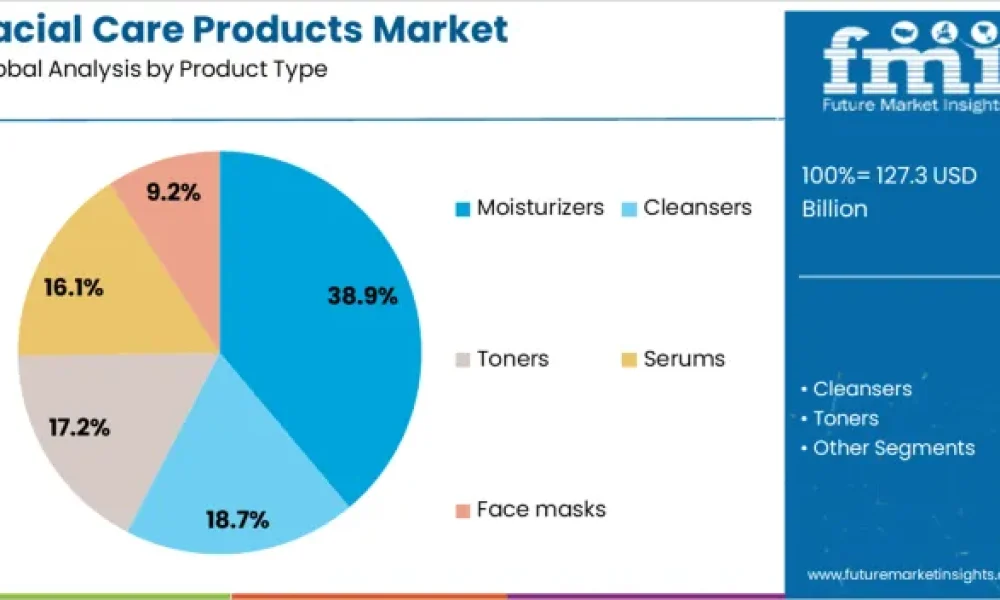
The global facial care products market is experiencing steady growth, reflecting an increasingly discerning consumer base and rapid innovation in skincare formulations. Valued at USD 127.3 billion in 2025, the market is projected to reach USD 188.4 billion by 2035, growing at a compound annual growth rate of 4%. This trajectory reflects a dynamic interplay between evolving consumer preferences, regulatory pressures, and technological advances in product development and distribution.
Between 2025 and 2027, the industry adapts to more stringent ingredient safety regulations and transparency requirements, as enforced by agencies like the US FDA and the European Commission. These regulations limit harmful additives, preservatives, and allergens, nudging manufacturers toward cleaner, safer formulations. This period marks an essential transition, as companies balance compliance with innovation, creating both constraints and opportunities in product development.
From 2027 to 2031, regulatory alignment extends to labeling, advertising, and sustainability claims. Brands are investing in recyclable packaging, eco-friendly supply chains, and traceability systems, reshaping competitive strategies. Between 2031 and 2035, global harmonization efforts encourage clean-label formulations and cross-border compliance. These measures, while challenging, act as catalysts for innovation in natural ingredients, sustainable packaging, and digital compliance technologies, ultimately defining the market’s evolution.
Full Market Report available for delivery. For purchase or customization, please request here: https://www.futuremarketinsights.com/reports/sample/rep-gb-25829
Driving Factors
The facial care market benefits from rising consumer awareness about skin health, growing urbanization, and the influence of social media. Millennials and Gen Z consumers are particularly motivated to adopt early skincare routines, leading to increased demand for cleansers, moisturizers, serums, and anti-aging products. Rising disposable incomes in developing economies also encourage spending on premium, multifunctional skincare, while innovations in ingredient formulations enhance product efficacy and safety.
Natural, organic, and ethical products are increasingly favored, reflecting consumers’ desire for clean, plant-based formulations. Digital tools, AI-powered skin analysis, and direct-to-consumer platforms enable personalized skincare recommendations, improving engagement and trust. This digital shift accelerates market penetration, particularly in regions like China and India, where e-commerce platforms are rapidly expanding access to skincare products.
Segment Insights
Among product types, moisturizers are projected to lead with a 38.9% revenue share in 2025. Their essential role in hydration, protection, and barrier maintenance has cemented their dominance. Innovations in moisturizers—including lightweight textures, non-comedogenic blends, and multifunctional benefits like anti-aging and pollution protection—have widened their appeal across demographics. Daily integration in morning and nighttime routines ensures consistent usage, driving repeat purchases.
In terms of skin type, combination skin accounts for 36.5% of market revenue, reflecting the high prevalence of dual skin concerns such as oily T-zones and dry patches. Consumers increasingly demand formulations that balance oil control with hydration, favoring dermatologist-tested and pH-balanced products. Personalized skincare regimens delivered through online platforms further enhance product efficacy and loyalty.
Natural ingredients dominate the market, representing 64.5% of revenue share. The shift toward plant-based, chemical-free formulations aligns with consumer concerns over synthetic additives and environmental sustainability. Botanical extracts, essential oils, and naturally derived actives are now standard features in high-performance facial care, bolstered by ethical sourcing, cruelty-free certifications, and green chemistry initiatives.
Trends Shaping the Market
Anti-aging and functional formulations continue to drive innovation. Peptides, antioxidants, hyaluronic acid, and plant-derived actives are incorporated into moisturizers, serums, and masks to address wrinkles, elasticity, and pigmentation. Anti-pollution products and formulations for sensitive skin respond to urban environmental challenges and allergen awareness. Personalization based on skin type, age, and lifestyle has become a key differentiator, allowing brands to offer tailored solutions that strengthen consumer loyalty.
E-commerce and digital platforms significantly enhance market reach. AI-driven skin analysis, subscription boxes, and virtual consultations guide consumers toward effective products. Influencer campaigns, social media content, and direct-to-consumer sales models are driving adoption, particularly among younger demographics and male consumers. The digital ecosystem allows brands to gather consumer data, enabling personalized marketing and product development strategies that strengthen market position.
Premiumization is another critical driver. High-income consumers are increasingly seeking performance-driven, aesthetically appealing, and scientifically validated products. Innovations such as nanotechnology-based delivery systems, hybrid skincare-makeup products, and multifunctional formulations cater to these demands. Luxury packaging and brand heritage further elevate perceived value, ensuring sustained revenue growth.
Regional Insights
Asia-Pacific is the fastest-growing region, with China and India leading the charge. China is projected to grow at a CAGR of 5.4%, driven by rising skincare awareness, demand for anti-aging and brightening products, and expanding e-commerce platforms. Domestic brands like Proya and Pechoin are innovating with herbal and scientifically advanced formulations, while L’Oréal China expands anti-aging lines. Online retail channels contribute nearly half of total sales, facilitating widespread market penetration.
India is forecast to grow at 5%, driven by urbanization, rising personal care awareness, and demand for natural formulations. Brands such as VLCC, Himalaya, and Emami are expanding multifunctional product offerings, particularly moisturizers with SPF, targeting mid-premium consumers. Growth in male grooming products further supports market expansion.
In Europe, Germany leads with a CAGR of 4.6%, reflecting the popularity of certified organic and environmentally friendly products. Companies like Beiersdorf, Dr. Hauschka, and Weleda emphasize dermatologically tested, hypoallergenic, and eco-certified products. In the UK, the market is expected to grow at 3.8%, supported by vegan, natural, and sustainable product preferences, premium brand expansion, and social media influence.
The United States, projected to grow at 3.4% CAGR, maintains robust demand for anti-aging, SPF, and multifunctional products. Brands including Estée Lauder, Procter & Gamble, and Neutrogena leverage premium formulations, digital platforms, and subscription models to capture consumer attention and loyalty.
Request Market Research Draft Report: https://www.futuremarketinsights.com/reports/brochure/rep-gb-25829
Competitive Landscape
The facial care products market is highly competitive, led by multinational conglomerates and emerging niche brands. L’Oréal S.A. continues to dominate with a diversified portfolio spanning premium, mid-range, and mass-market products, focusing on anti-aging, hydration, and brightening. Unilever PLC and Procter & Gamble prioritize mass-market accessibility, clinical testing, and wide retail reach to build consumer trust.
Premium players such as Estée Lauder, Shiseido, and Beiersdorf emphasize technologically advanced formulations, natural ingredient incorporation, and targeted solutions for aging, sensitive, or problem-prone skin. Johnson & Johnson and Kao Corporation leverage pediatric and dermatologist-recommended lines, emphasizing hypoallergenic and safety certifications.
Emerging players, including Amorepacific, Natura &Co, Himalaya, and Revlon, differentiate through natural, herbal, and sustainable offerings. Coty, Colgate-Palmolive, and Avon focus on e-commerce and influencer-driven campaigns to expand reach. The competitive landscape is shaped by product innovation, digital presence, sustainable practices, and regional expansion strategies.
About Future Market Insights (FMI)
Future Market Insights, Inc. (ESOMAR certified, recipient of the Stevie Award, and a member of the Greater New York Chamber of Commerce) offers profound insights into the driving factors that are boosting demand in the market. FMI stands as the leading global provider of market intelligence, advisory services, consulting, and events for the Packaging, Food and Beverage, Consumer Technology, Healthcare, Industrial, and Chemicals markets. With a vast team of over 400 analysts worldwide, FMI provides global, regional, and local expertise on diverse domains and industry trends across more than 110 countries.
Contact Us:
Future Market Insights Inc.
Christiana Corporate, 200 Continental Drive,
Suite 401, Newark, Delaware – 19713, USA
T: +1-347-918-3531
For Sales Enquiries: [email protected]



