WAILUKU, Hawaii
Residents of Maui county, Hawaii live in a variety of living situations, like single-family homes, duplexes, apartment buildings, trailers, and mobile homes. All living situations need some method of waste processing, but the methods differ depending on where on the island residents live. One of the most common waste disposal methods is the public sewer system. Residents in larger cities may live in homes or apartments connected to a public sewer system, meaning their waste is carried off to be treated elsewhere on a larger scale.
Many residents of Maui County live in more rural areas where public sewer systems are not connected to most homes. Homes that were built before the 1990s on the island were usually built with cesspools, while those built more recently were usually built with septic systems. Septic systems, as a more advanced and efficient method of waste treatment, help protect the environment better than cesspools. Several older homes have already converted to septic systems, but this is less than common in Maui county.
Cesspools have been used for much of the history of civilization, making septic systems a much more modern invention by comparison. Although cesspools hold and process contaminants from sewage, they also degrade over time. The pollutants present in sewage can leach out into nearby soil and groundwater as concrete walls crack, or as the cesspools themselves fill up. Service lines that convey waste from the home into the cesspool can wear out and break or be destroyed due to earthquakes, digging and other disruptions.
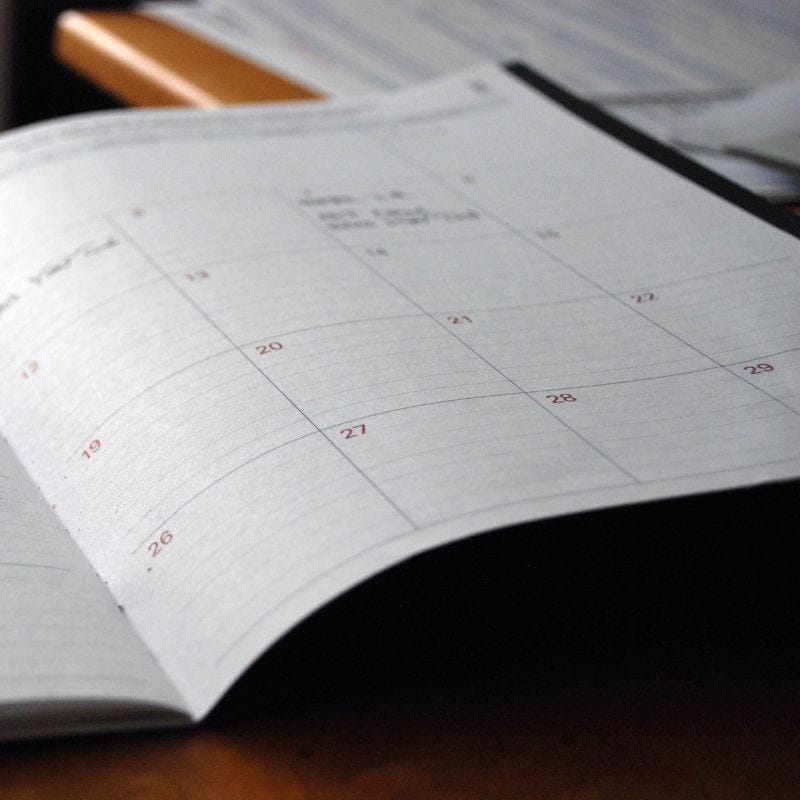
Homeowners who neglect their cesspool’s regular pumping schedule may be contributing to soil, groundwater and natural waterway pollution. The solution in this situation is simple, homeowners should mark calendars and schedule pumping appointments with septic service companies like Maui Pumping regularly.
Laws exist which now prevent homes from being built with cesspools and prevent homeowners from replacing old cesspools with new cesspools to help protect against contamination.
When bacteria, toxic chemicals and various microbes present in sewage escape cesspools and enter the soil that surrounds it, the first damage is to the foliage above it. Foliage like grasses and other natural ground cover may die, causing bald spots in lawns where moisture can pool up due to a reduced ability to absorb rain and other sources of water. Microbes can also multiply and spread in open soil, infecting gardens, outdoor play areas and more. In extreme cases, an overflowing or damaged cesspool becomes and ongoing source of pollutants that flow out into ponds, lakes, rivers, streams and elsewhere, causing further spread of disease. Diseases from sewage can harm not only humans but also insects, small mammals, birds and other creatures that depend on healthy soil, foliage and waterways.
Since the state of Hawaii places such a particular emphasis on the state’s natural resources and environmental beauty, laws have been passed to preserve and protect waterways, especially rivers, lakes and the ocean. For this reason, homes that cannot connect to municipal water systems are built with or upgraded to septic systems instead of building new cesspools.
Septic systems function in much the same way a cesspool does, except they have mechanisms built into them which allow treated moisture to flow out safely into absorbent soil over a wide area. Although septic systems can still be damaged and wear out with age, their functionality allows them to treat more sewage over time more efficiently than the alternative. Even septic systems need to be pumped and maintained, but initial financial costs are often offset by environmental benefits and reduced financial investment over time.
Homeowners with cesspools or septic tanks on their Maui-based property can contact Maui Pumping for all septic purposes. The company is located at 850 Kolu St. Ste A2, WAiluku, Hawaii, 96793. Residents can schedule appointments by calling 808-871-7867 or by using the online scheduling system on the company’s website.




