
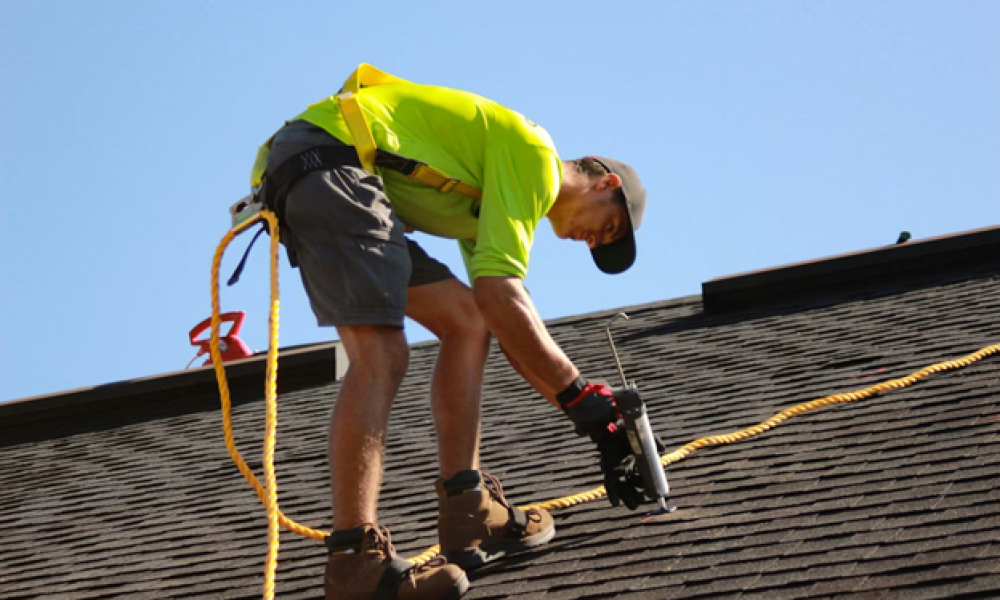
The main thing to consider initially with regard to roof maintenance is safety, since it is often not a simple task. Whether one is a professional or works on roofs as a hobby, tools and gear can make all the difference in working properly as well as safely. From harnesses to anchor points, the right equipment is a fantastic way to increase safety while you carry out your work.
Roof work in Australia carries with it a whole new complexity of steep pitches and unpredictable weather patterns, with safety being a primary consideration. Today, we’ll look at the tools you need for roof maintenance and safety equipment that comes with tips to keep you safe while you work.
Personal Protective Equipment (PPE)
A safety helmet, a non-slip shoe, gloves, PPE and a pair of goggles are required before you step on a roof. A harness should be attached as an additional method for securing anchor points to prevent a person from falling. Make sure your system complies with the Australian safety information on installing roof anchor points. Such precautions may save lives or reduce serious injuries.
Roof Anchors and Fall Arrest Systems
Anchor points are among the most critical items in carrying out safe roof work. These devices offer secure points of attachment for harnesses and lanyards. Depending on the type of roof, an anchor point can be metal, tile, or flat. The understanding of installation techniques is so important, so detailed information becomes invaluable. You can weigh down the final anchor with a fall arrest system and have the freedom of movement while still being protected.
Ladders and Access Equipment
The best methods of getting onto a roof safely involve a suitable ladder or scaffolding. Select an appropriate ladder with a solid base and rubber, non-slip feet. The extendable ladder is a better option for steep roofs, but do ensure to tie it properly. Mobile scaffolding offers the advantage of extra stability and working space for larger projects. Regularly checking the access equipment minimises slips and falls, a common occurrence during roof maintenance.
Tools for Maintenance Tasks
Upon ensuring safety, the next step is to look for maintenance tools. The list would usually involve a roofing hammer, a nail gun, a sealant gun, a utility knife, scoops, and a bucket, or maybe a leaf blower. A wall-mount, roof-specific tool belt keeps tools stored and saves many trips up and down, thus saving time and, as a plus, avoiding potential hazards.
Weather and Timing Considerations
Roof maintenance should always be mindful of the weather. Rain, ice, and wind cause unsafe working conditions. Schedule work on roofs when dry conditions exist to avoid the heat of midday in Australia’s summertime, as strong heat may cause fatigue. By pairing such good timing with proper equipment, you can safely and effectively get your roof work done.
Summary
Proper roof maintenance requires more than just basic repairs; it demands careful planning, the right tools, and a strong focus on safety at every stage. As discussed throughout this article, personal protective equipment such as helmets, gloves, non-slip footwear, goggles, and harnesses form the foundation of safe roof work.
In addition, reliable access equipment like well-secured ladders or stable scaffolding helps reduce the risk of slips and falls. Roof anchors and fall arrest systems play a critical role by providing secure attachment points that allow freedom of movement while maintaining protection.
Maintenance tools, when organised efficiently in roof-specific tool belts, not only improve productivity but also minimise unnecessary movement that can lead to accidents. Weather awareness is equally important, as working during dry, calm conditions significantly lowers safety risks, especially in challenging climates.
When uncertainty arises, seeking professional guidance or trusted resources particularly regarding the correct installation of roof anchor points is always a wise decision.
Ultimately, investing in proper safety equipment and maintenance practices not only protects the individual carrying out the work but also helps extend the lifespan, durability, and overall reliability of the roof. A well-maintained roof is not just about appearance; it is a long-term commitment to safety, structural integrity, and peace of mind.




