
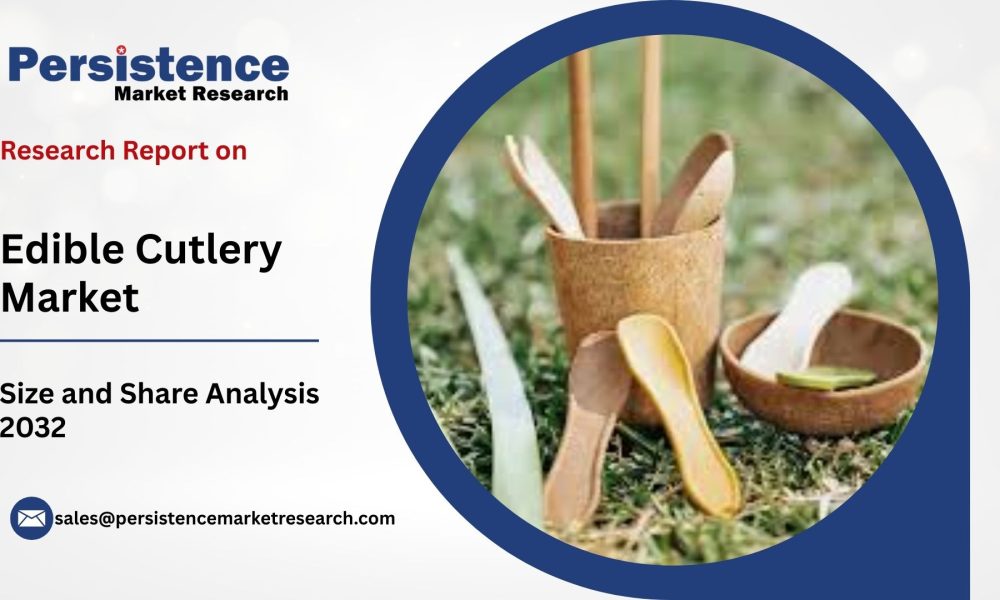
The global edible cutlery market is emerging as a promising segment within the sustainable food-service and packaging industries. According to industry estimates, the market is projected to grow from US$ 48.1 million in 2025 to US$ 105.0 million by 2032, registering a strong CAGR of 11.8% during the forecast period. This rapid expansion reflects increasing environmental awareness, regulatory pressure on single-use plastics, and ongoing innovation in edible and biodegradable product design.
Market Overview
Edible cutlery includes spoons, forks, knives, straws, and stirrers made from natural ingredients such as wheat, rice, corn, millet, and sorghum. These products serve a dual purpose—functioning as utensils during meals and either being consumed afterward or disposed of without generating plastic waste. As sustainability becomes a central priority across industries, edible cutlery is shifting from a novelty concept to a practical solution in food service, hospitality, and event catering.
➤ Download Your Free Sample & Explore Key Insights: https://www.persistencemarketresearch.com/samples/35370
The increasing push for zero-waste dining solutions and biodegradable alternatives is driving demand globally. Edible cutlery reduces landfill burden and supports circular economy principles by eliminating the need for plastic disposal and post-consumption waste management. Governments and municipalities worldwide are implementing bans and restrictions on single-use plastics, creating favorable conditions for sustainable alternatives like edible cutlery.
Key Growth Drivers
Rising Environmental Concerns
The mounting global concern about plastic pollution has significantly influenced consumer behavior and business practices. Plastic utensils contribute substantially to landfill waste and marine pollution, prompting governments and organizations to promote eco-friendly alternatives. Edible cutlery offers a zero-waste option that aligns with sustainability goals and environmental regulations.
Regulatory Push and Policy Support
Regulatory measures banning or taxing single-use plastics in several countries are encouraging restaurants, airlines, and catering services to adopt sustainable utensils. Public procurement policies and sustainability targets are also pushing large food-service providers to shift toward compostable or edible alternatives.
Innovation in Ingredients and Design
Advancements in food science and manufacturing technologies have improved the strength, taste, and shelf stability of edible cutlery. Modern products are engineered to remain sturdy during use while offering appealing flavors and textures when consumed. Manufacturers are experimenting with multigrain formulations, natural flavors, and nutrient-rich ingredients to enhance consumer acceptance and repeat purchases.
Growth in Food-Service and Takeaway Culture
The expansion of quick-service restaurants, food delivery platforms, and takeaway dining has increased demand for disposable utensils. Edible cutlery provides a sustainable solution that meets convenience needs without contributing to environmental damage. The rise of zero-waste events, eco-friendly festivals, and green catering services is also boosting bulk purchases in this segment.
Market Segmentation Insights
By product type, edible spoons account for a significant share of the market due to their widespread use in beverages, desserts, and takeaway meals. Edible forks, knives, and straws are also gaining traction as product durability improves. In terms of materials, wheat-based cutlery remains dominant, though rice, corn, and multigrain variants are increasingly popular due to their flavor versatility and nutritional value.
Flavor innovation is another key trend. Manufacturers are introducing sweet, savory, and plain variants to complement different cuisines and enhance the overall dining experience. Custom-branded edible cutlery for events and promotional campaigns is also becoming a notable niche, offering both sustainability and marketing benefits.
Regional Outlook
North America and Europe currently lead adoption due to strong environmental regulations and consumer awareness. However, Asia-Pacific is expected to witness significant growth, driven by large populations, increasing plastic waste concerns, and supportive government policies. Countries such as India, China, and Japan are seeing rising investments in biodegradable and edible packaging solutions.
In emerging markets, the rapid growth of food delivery services and urbanization is further boosting demand for sustainable utensils. As production costs decline and supply chains mature, adoption is expected to accelerate across developing economies.
➤Customize This Report for Your Exact Requirements: https://www.persistencemarketresearch.com/request-customization/35370
Challenges and Restraints
Despite strong growth prospects, the edible cutlery market faces certain challenges. Limited shelf life and sensitivity to moisture can complicate storage and distribution. Additionally, production costs are often higher than conventional plastic cutlery, making price competitiveness a concern for large-scale adoption.
Consumer perception also remains a barrier in some regions, as awareness of edible cutlery’s durability and safety is still evolving. However, ongoing innovation and scaling of manufacturing processes are expected to address these challenges over time.
Competitive Landscape
The market features a mix of established food-technology companies and innovative startups focusing on sustainable product development. Key players are investing in research and development, expanding production capacity, and forming partnerships with food-service providers to strengthen market presence. Collaborations with restaurants, airlines, and event organizers are becoming common strategies to increase adoption and brand visibility.
Future Outlook
The edible cutlery market is poised for substantial growth over the coming years, driven by sustainability mandates, consumer preference for eco-friendly products, and continuous product innovation. As awareness of environmental impact increases and governments implement stricter plastic regulations, edible cutlery is expected to gain mainstream acceptance.
By 2032, the market is anticipated to more than double in value, reflecting the growing shift toward sustainable consumption and circular economy practices. With ongoing advancements in ingredient technology, flavor customization, and manufacturing efficiency, edible cutlery is likely to play an increasingly important role in the global transition to greener dining solutions.
Conclusion
The global edible cutlery market is entering a high-growth phase fueled by environmental consciousness, regulatory support, and innovation in food-grade materials. As businesses and consumers seek practical alternatives to single-use plastics, edible utensils are emerging as a viable and scalable solution. With strong projected growth through 2032 and expanding adoption across food-service sectors, the market is set to become a key contributor to the sustainable packaging and dining ecosystem worldwide.
Explore the Latest Trending Research Reports:
Football Equipment Market




