
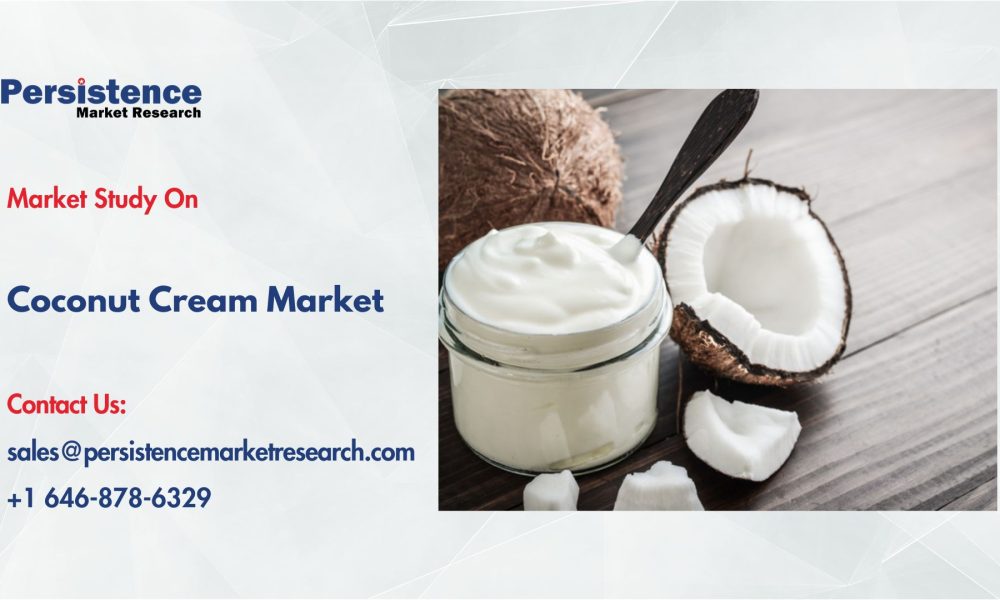
The global coconut cream market is entering a dynamic phase of expansion, driven by rising consumer preference for plant-based ingredients, clean-label products, and dairy alternatives across food and beverage applications. The market size is projected to reach approximately US$ 0.9 billion in 2026 and is expected to nearly double to US$ 1.7 billion by 2033, reflecting a strong compound annual growth rate (CAGR) of 9.5% during the forecast period from 2026 to 2033. This accelerated growth trajectory highlights the increasing integration of coconut cream across mainstream and specialty product categories worldwide.
Coconut cream, derived from the grated flesh of mature coconuts, has emerged as a versatile ingredient used extensively in culinary, beverage, confectionery, and personal care applications. Its rich texture, natural sweetness, and high-fat content make it a preferred substitute for dairy cream in vegan and lactose-free formulations. The rapid growth of veganism, increasing prevalence of lactose intolerance, and heightened consumer awareness regarding plant-based nutrition are among the primary drivers propelling the market forward.
Additionally, the expanding global popularity of Asian and tropical cuisines has significantly contributed to demand. Coconut cream is a staple ingredient in curries, soups, sauces, desserts, and beverages, and its adoption in Western markets continues to rise. The surge in demand for ready-to-eat and ready-to-cook meal solutions further supports the incorporation of coconut cream into packaged food products. Moreover, clean-label trends and consumer preference for minimally processed, natural ingredients are reinforcing market growth, positioning coconut cream as a premium and functional ingredient in multiple industries.
Get Your FREE Sample Report Instantly – Click Now: https://www.persistencemarketresearch.com/samples/26455
Segmentation Analysis
By Nature Type
- Conventional
- Organic
By Application
- Food & Beverages
- Personal Care & Cosmetics
- Pharmaceuticals
- Others
By Distribution Channel
- Supermarkets & Hypermarkets
- Convenience Stores
- Online Retail
- Specialty Stores
Need Tailored Insights? Request Customization Now: https://www.persistencemarketresearch.com/request-customization/26455
Regional Insights
The coconut cream market demonstrates strong regional diversity, influenced by coconut production patterns, culinary traditions, and consumer lifestyle trends.
Asia Pacific remains the leading regional market, both in terms of production and consumption. Countries such as Indonesia, the Philippines, Thailand, India, and Sri Lanka are major coconut-producing nations and play a pivotal role in the global supply chain. The widespread use of coconut cream in traditional cuisines across Southeast Asia drives substantial domestic demand. Additionally, expanding food processing industries and export-oriented production contribute to regional dominance.
North America represents a high-growth market, driven by increasing consumer awareness of plant-based diets, rising vegan populations, and strong demand for ethnic cuisines. The United States and Canada are witnessing robust growth in dairy alternatives, specialty beverages, and clean-label food products, all of which incorporate coconut cream. Retail expansion and product innovation in vegan desserts and coffee creamers further support regional growth.
Europe is also experiencing steady market expansion, supported by stringent food quality regulations, strong organic product demand, and growing interest in sustainable and fair-trade sourcing. The United Kingdom, Germany, France, and the Netherlands are among the key markets contributing to regional growth.
Latin America and the Middle East & Africa are projected to witness the fastest growth rates during the forecast period. Increasing urbanization, rising disposable incomes, and the expansion of modern retail channels are driving consumption in these regions. Additionally, strategic investments in food processing and hospitality sectors are fostering new opportunities for coconut cream manufacturers.
Unique Features and Innovations in the Market
Modern coconut cream products are differentiated by enhanced processing technologies, improved packaging solutions, and value-added formulations. Manufacturers are increasingly focusing on cold-press extraction methods and advanced filtration technologies to preserve nutritional integrity and natural flavor. These innovations enhance product quality, shelf life, and consistency.
Technological advancements such as artificial intelligence (AI) and Internet of Things (IoT) applications are transforming supply chain management and quality control processes. AI-driven demand forecasting helps manufacturers optimize inventory and production planning, reducing waste and operational costs. IoT-enabled tracking systems enhance traceability from coconut farms to retail shelves, ensuring transparency and compliance with international food safety standards.
Sustainability innovations are also shaping the competitive landscape. Companies are adopting eco-friendly packaging materials, implementing carbon footprint reduction initiatives, and promoting responsible sourcing practices. Certifications related to organic farming, fair trade, and sustainable agriculture are becoming critical differentiators in a competitive market environment.
Market Highlights
The increasing adoption of coconut cream across industries is driven by several compelling factors. The shift toward plant-based nutrition and dairy-free alternatives remains a primary catalyst for growth. Consumers seeking healthier and more sustainable food choices are incorporating coconut cream into daily diets, boosting demand across retail and foodservice sectors.
Regulatory frameworks supporting organic labeling, food safety compliance, and clean-label standards further strengthen market credibility. Cost-effectiveness relative to other plant-based cream alternatives also enhances its competitive positioning. Additionally, coconut cream’s multifunctional applications across culinary, beverage, and personal care industries diversify revenue streams and mitigate market risks.
Growing consumer emphasis on sustainability and ethical sourcing is encouraging manufacturers to adopt transparent supply chains and environmentally responsible practices. These initiatives not only meet regulatory expectations but also resonate strongly with environmentally conscious consumers.
Key Players and Competitive Landscape
- Celebes Coconut Corporation.
- The Vita Coco Company, Inc.
- McCormick & Company
- Sambu Group
- Danone
- Thaicoconut.
- Axelum Resources Corp.
- Pulau Sambu Singapore Pte Ltd.
- Kentaste
- HVA Ceylon LLC
Future Opportunities and Growth Prospects
The coconut cream market is expected to witness sustained momentum as plant-based diets become increasingly mainstream. Expansion into emerging economies, coupled with rising disposable incomes and evolving culinary preferences, will create new growth avenues. The continued integration of advanced technologies, sustainable sourcing practices, and product diversification strategies will define the competitive landscape through 2033.
As regulatory standards evolve to emphasize food safety, labeling transparency, and environmental responsibility, manufacturers that proactively adapt to these requirements will gain a competitive edge. The integration of digital supply chain solutions and AI-powered analytics will further enhance operational efficiency and customer responsiveness.
Overall, the global coconut cream market is poised for significant expansion, offering lucrative opportunities for investors, producers, and distributors across the value chain.
Explore the Latest Trending Research Reports:




