
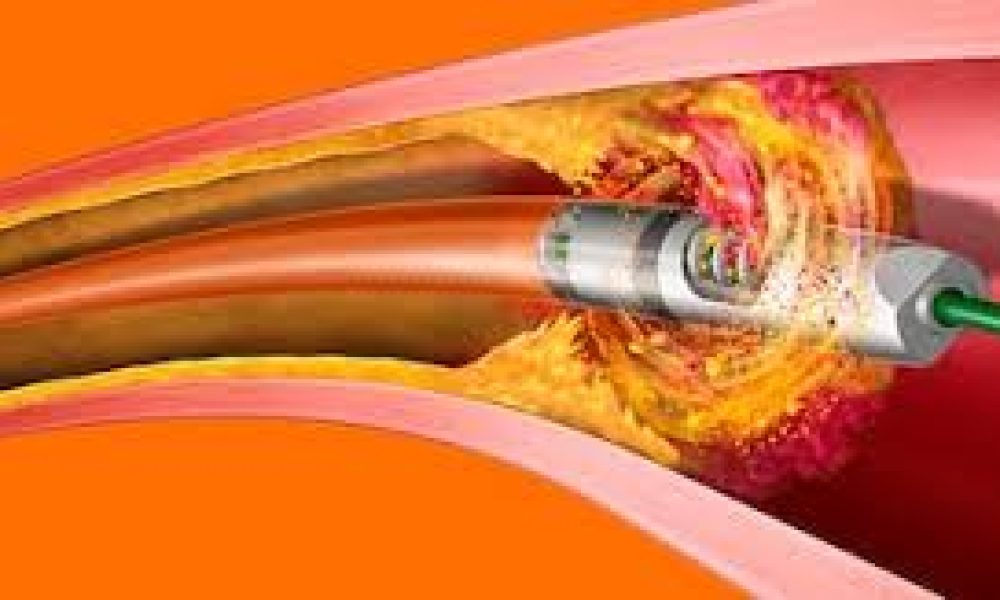
The global atherectomy and thrombectomy devices market is witnessing significant growth, primarily driven by the increasing prevalence of cardiovascular and neurovascular diseases. This market is estimated to grow from US$ 4.2 billion in 2026 to US$ 6.9 billion by 2033, with a compound annual growth rate (CAGR) of 5.3%. These devices are used to treat various conditions like peripheral artery disease (PAD), coronary artery disease (CAD), ischemic stroke, and venous thromboembolism, where the primary aim is to restore blood flow by removing plaque or thrombus.
The key growth drivers behind this market expansion include an aging global population, the rising incidence of lifestyle-related health conditions such as diabetes, obesity, hypertension, and smoking, as well as an increasing preference for catheter-based interventions. These minimally invasive techniques offer shorter recovery times, reduced risks, and lower costs compared to traditional surgical methods, leading to a rise in their adoption. Furthermore, advancements in device technology and improved awareness of early disease diagnosis and treatment are contributing to the widespread use of atherectomy and thrombectomy devices.
Download Your Free Sample & Explore Key Insights: https://www.persistencemarketresearch.com/samples/33105
Key Market Statistics and Insights
Market Size in 2026: US$ 4.2 billion
Market Value Forecast by 2033: US$ 6.9 billion
CAGR (2026-2033): 5.3%
Leading Segment: Neurovascular conditions (due to the growing demand for ischemic stroke treatments)
Leading Region: North America, with a dominant market share of 47.3%
Key Highlights from the Report
• Leading Region: North America holds the largest market share due to advanced healthcare infrastructure and high disease prevalence.
• Fastest-Growing Region: Asia Pacific is experiencing the highest growth due to improving healthcare access and a rising disease burden.
• Leading Application Segment: Neurovascular conditions dominate the market due to the high incidence of ischemic stroke.
• Fastest-Growing Application Segment: Peripheral artery disease (PAD) is growing rapidly, particularly in outpatient care settings.
• Leading End-User Segment: Hospitals lead the market, driven by the management of complex vascular cases.
• Fastest-Growing End-User Segment: Ambulatory surgical centers are expanding quickly, driven by lower procedural costs and shorter recovery times.
Market Segmentation
By Product Type
The atherectomy and thrombectomy devices market is primarily segmented based on product types. Thrombectomy devices are expected to lead the market, accounting for a significant portion of revenue. Their design, which often incorporates single-use, disposable systems, helps reduce infection risks, which is a crucial factor in their widespread adoption. These devices are highly effective in rapidly removing thrombi (clots) from the bloodstream, particularly in conditions like ischemic stroke, venous thromboembolism, and PAD.
On the other hand, atherectomy devices, which are used to remove atherosclerotic plaque from arterial walls, hold a smaller but steadily growing share of the market. Atherectomy devices are particularly effective in treating PAD and coronary artery disease by restoring blood flow and enabling better outcomes in vascular procedures.
By Application
The market is also divided based on applications, with neurovascular conditions being the leading segment. This is largely driven by the high global incidence of ischemic stroke, for which mechanical thrombectomy has become the standard of care in large-vessel occlusion stroke. Rising awareness about stroke symptoms and the critical importance of rapid intervention in stroke care has further driven the adoption of thrombectomy devices in hospitals and stroke centers.
Peripheral artery disease (PAD) is the fastest-growing application segment. PAD, characterized by the narrowing of peripheral arteries (mainly in the legs), is increasingly being treated using minimally invasive procedures that involve atherectomy or thrombectomy devices. With a growing preference for less invasive options in outpatient and ambulatory settings, PAD is seeing a rise in treatments that leverage these advanced devices.
By End-User
Hospitals remain the dominant end-user segment, accounting for the highest share of the market. Hospitals are equipped with specialized infrastructure, such as catheterization laboratories, necessary for complex procedures. Additionally, hospitals are pivotal in handling acute cases, particularly in emergency care settings for conditions like ischemic stroke and severe PAD.
However, ambulatory surgical centers (ASCs) are emerging as the fastest-growing segment in the market. ASCs are becoming more popular for procedures like PAD treatments, which require shorter recovery times and offer cost savings compared to traditional hospital admissions. This shift towards outpatient care is expected to continue growing as healthcare systems focus on efficiency and cost-effectiveness.
Regional Insights
North America
North America, particularly the United States, holds the largest market share in the atherectomy and thrombectomy devices sector. The region benefits from a well-established healthcare infrastructure, early adoption of innovative technologies, and a high incidence of cardiovascular and neurovascular diseases. The availability of skilled specialists, comprehensive stroke care networks, and favorable reimbursement policies further bolster market growth in the region.
Europe
Europe’s atherectomy and thrombectomy devices market is steady, supported by strong healthcare systems and high access to vascular and neuro-interventional care. An aging population, coupled with a rising incidence of cardiovascular and cerebrovascular diseases, is contributing to growing demand for these devices. Additionally, European countries place significant emphasis on evidence-based treatment and early diagnosis, which further facilitates market growth.
Asia Pacific
The Asia Pacific region is expected to see the highest growth in the coming years, driven by improving healthcare infrastructure, rising disease prevalence, and greater access to diagnostic and treatment services. Countries like China, India, and Japan are increasingly adopting advanced medical technologies, including atherectomy and thrombectomy devices, as the burden of stroke and PAD increases. The rapid expansion of private hospitals and the growing focus on medical tourism further drive the market.
Get Custom Insights Designed for Your Business: https://www.persistencemarketresearch.com/request-customization/33105
Market Drivers
The major driver for the atherectomy and thrombectomy devices market is the growing global burden of cardiovascular and neurovascular diseases. The increasing prevalence of conditions such as PAD, CAD, ischemic stroke, and venous thromboembolism is significantly expanding the target patient population. Additionally, the aging global population and rising lifestyle-related health risks—such as diabetes, obesity, and hypertension—are further amplifying the demand for effective endovascular treatments.
A significant trend is the shift toward minimally invasive interventions, particularly catheter-based procedures. These approaches offer numerous advantages, including shorter hospital stays, reduced procedural risks, and faster recovery times compared to traditional open surgeries. As a result, atherectomy and thrombectomy procedures have become more popular among both physicians and patients, driving the market forward. Additionally, continuous innovation in medical technologies, such as advancements in clot-retrieval systems and catheter design, is enhancing the safety and effectiveness of these procedures.
Market Restraints
Despite the growth of the atherectomy and thrombectomy devices market, several factors limit its widespread adoption. High device costs are one of the most significant barriers, especially in price-sensitive regions. The expensive nature of advanced endovascular devices can limit their accessibility, particularly in resource-constrained healthcare systems. Additionally, these devices often require specialized equipment and highly trained professionals, which can restrict their use in smaller hospitals or rural areas.
There are also clinical risks associated with these procedures, including complications such as vessel perforation, bleeding, and distal embolization. These risks can make physicians hesitant to adopt these devices, particularly in complex cases or when dealing with patients who have challenging anatomy. Moreover, the variability in procedural outcomes, which depend on factors like operator experience and patient condition, can contribute to cautious adoption.
Market Opportunities
The atherectomy and thrombectomy devices market has significant growth potential in emerging economies. Regions like Asia Pacific, Latin America, and the Middle East are seeing rapid healthcare infrastructure development and greater access to advanced medical technologies. This presents a substantial opportunity for market players to penetrate these untapped regions.
Furthermore, there is growing opportunity in the expansion of stroke care networks. As the adoption of mechanical thrombectomy continues to increase in stroke treatment, the demand for advanced thrombectomy devices is expected to rise, especially in regional hospitals and smaller healthcare facilities. Technological innovations, such as improved clot-retrieval mechanisms and aspiration systems, also present an opportunity for companies to cater to a wider range of patients and medical conditions.
Checkout Now & Download Complete Market Report: https://www.persistencemarketresearch.com/checkout/33105
Company Insights
Key Players
• Medtronic
• Boston Scientific Corporation
• Philips Healthcare
• Abbott
• Argon Medical Devices
• BD (Becton, Dickinson and Company)
• Teleflex Incorporated
• Inari Medical, Inc.
• Terumo Corporation
• Vascumed (Pty) Ltd
• Rex Medical
Recent Developments
In December 2025, Medtronic launched its Liberant™ thrombectomy system, designed to remove fresh emboli and thrombi from the peripheral vasculature. This expands the company’s portfolio in treating peripheral arterial and venous diseases.
In May 2025, BD announced its plan to launch a patient data registry for the Rotarex™ Atherectomy System. This initiative aims to assess real-world clinical outcomes in patients with peripheral artery disease (PAD).
Conclusion
The atherectomy and thrombectomy devices market is poised for steady growth in the coming years. With the increasing prevalence of cardiovascular and neurovascular diseases, along with the global shift towards minimally invasive procedures, the market is expected to expand. Factors such as technological innovations, improved healthcare infrastructure in emerging markets, and rising awareness of early diagnosis and intervention will contribute to this growth. However, challenges such as high device costs, clinical risks, and infrastructure limitations in certain regions need to be addressed for continued success. Overall, the atherectomy and thrombectomy devices market holds significant promise for the future.




