
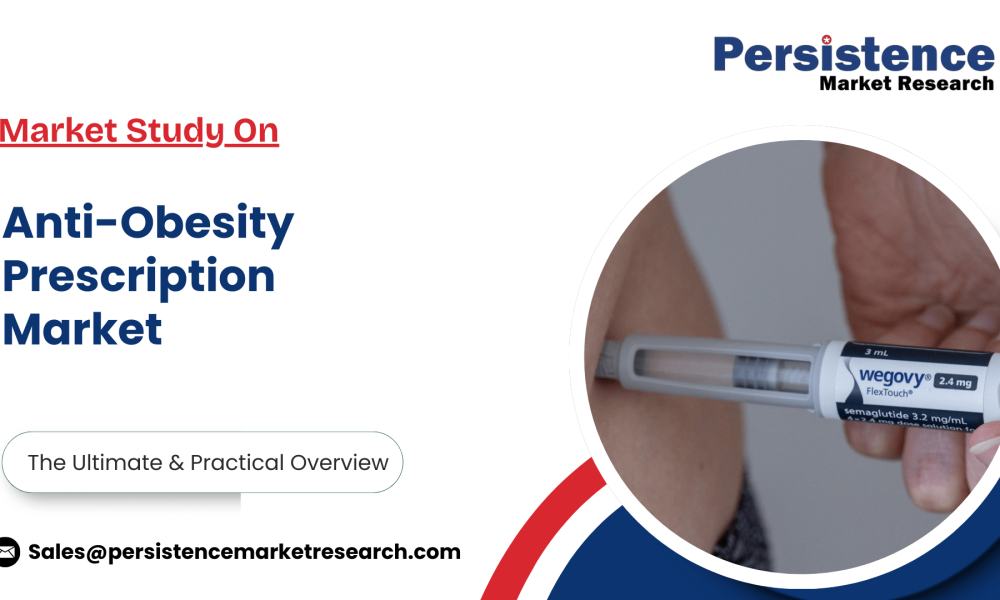
The anti-obesity prescription market is rapidly evolving as healthcare systems around the world increasingly recognize obesity as a critical health concern. Obesity, a condition associated with numerous chronic diseases, including type 2 diabetes, hypertension, and cardiovascular disorders, has seen a dramatic rise globally. According to the World Health Organization (WHO), obesity rates have nearly tripled since 1975, making it one of the most pressing public health issues. The global anti-obesity prescription market, valued at approximately US$15.4 billion in 2025, is expected to reach US$108.5 billion by 2032, growing at a compound annual growth rate (CAGR) of 32.2% during the forecast period.
This market growth is being driven by several key factors, including increasing obesity prevalence, advancements in drug formulations, and growing awareness of the health risks associated with excess weight. Prescription medications designed to aid weight loss, such as GLP-1 receptor agonists and appetite suppressants, are becoming increasingly popular among healthcare providers and patients. Additionally, the expansion of telemedicine and the rising adoption of online pharmacies have contributed to market growth by improving access to these life-changing medications.
Key Highlights from the Report:
• The global anti-obesity prescription market is projected to grow from US$15.4 Bn in 2025 to US$108.5 Bn by 2032.
• North America is expected to hold a 40% market share in 2025, driven by high obesity rates and advanced healthcare infrastructure.
• Asia Pacific is the fastest-growing region, with a 25% share in 2025.
• Approved drugs, including GLP-1 receptor agonists, dominate the market, accounting for 65% of the market share.
• Peripherally acting drugs, such as orlistat and GLP-1 agonists, contribute 60% of market revenue.
• Retail pharmacies lead the distribution channel segment, with a 50% share, while online pharmacies show the fastest growth.
Get a Sample Copy of Research Report (Use Corporate Mail id for Quick Response): https://www.persistencemarketresearch.com/samples/3381
Market Segmentation:
The anti-obesity prescription market can be segmented based on product type, mechanism of action, distribution channels, and geographical regions.
Product Type Segmentation
In terms of product types, approved drugs lead the market, accounting for 65% of the total share in 2025. These drugs include well-established medications such as semaglutide (Wegovy), liraglutide (Saxenda), and tirzepatide (Zepbound), which have demonstrated significant efficacy in both weight loss and the management of obesity-related comorbidities like diabetes and hypertension. These drugs are preferred by healthcare providers due to their proven safety and effectiveness, which are supported by robust clinical trials and FDA approvals.
Off-label drugs are the fastest-growing category in the market, especially medications initially approved for other conditions. For example, semaglutide (Ozempic) and liraglutide (Victoza), both approved for type 2 diabetes, are increasingly being prescribed off-label for obesity management due to their weight loss effects. This off-label use is particularly prevalent in patients who have coexisting metabolic conditions.
Mechanism of Action Segmentation
The market is further segmented based on the mechanism of action of the drugs. Peripherally acting drugs, such as orlistat (Xenical) and GLP-1 receptor agonists (like semaglutide), dominate the market, holding 60% of the share in 2025. These medications work by either inhibiting fat absorption in the digestive system or regulating appetite and glucose metabolism. These drugs are preferred for their favorable safety profiles, making them suitable for a broader range of patients, including those with comorbidities like diabetes.
On the other hand, centrally acting drugs, which include appetite suppressants such as phentermine-topiramate (Qsymia) and bupropion-naltrexone (Contrave), are growing at the fastest pace. These drugs target the central nervous system to reduce hunger and increase feelings of fullness, making them particularly effective for patients with higher body mass index (BMI). The combination of multiple therapeutic agents in centrally acting drugs enhances efficacy and minimizes side effects, driving their increasing adoption.
Regional Insights:
North America
North America is the largest regional market for anti-obesity prescription drugs, holding a 40% market share in 2025. The United States is the primary contributor to this share, driven by high obesity rates, which affect more than 40% of adults according to the Centers for Disease Control and Prevention (CDC). The region’s advanced healthcare infrastructure, robust insurance systems, and government initiatives supporting obesity management, such as the FDA’s approval of drugs like semaglutide and tirzepatide, contribute significantly to the market’s growth.
Moreover, the increasing popularity of telemedicine and online pharmacies in the U.S. is improving patient access to prescription medications, particularly in rural areas where traditional healthcare facilities may be scarce. The region also benefits from extensive research and development, with companies like Novo Nordisk and Rhythm Pharmaceuticals driving innovation in obesity treatment.
Asia Pacific
Asia Pacific is the fastest-growing region, with a 25% market share in 2025. This growth is largely attributed to the rising obesity rates in countries like China, India, and Japan. Urbanization, sedentary lifestyles, and the consumption of processed foods have contributed to the increase in obesity, which in turn is fueling demand for prescription weight loss drugs like orlistat and liraglutide.
Governments in the region are introducing healthcare reforms, such as China’s Healthy China 2030 initiative, which aims to combat obesity and improve access to obesity treatment drugs through hospital and retail pharmacies. India, with its growing middle class, is also seeing rising demand for affordable anti-obesity drugs. Moreover, Japan’s advanced healthcare infrastructure and focus on preventive medicine further boost the adoption of prescription medications for obesity.
Market Drivers:
Rising Prevalence of Obesity
The primary driver of the anti-obesity prescription market is the global surge in obesity rates. Obesity is directly linked to numerous chronic diseases, including type 2 diabetes, cardiovascular diseases, and certain cancers. According to the WHO, more than 2.8 million deaths per year are associated with obesity and overweight, contributing to the escalating healthcare burden. With urbanization and lifestyle changes, especially in developing regions, the need for effective and accessible weight-loss treatments is rising.
As more individuals struggle to control their weight through diet and exercise alone, prescription drugs have become a critical component in managing obesity. GLP-1 receptor agonists like semaglutide are gaining popularity due to their ability to not only facilitate weight loss but also help control comorbidities such as diabetes.
High Treatment Costs and Limited Reimbursement
One of the key challenges facing the anti-obesity prescription market is the high cost of many obesity treatment drugs, particularly newer therapies like semaglutide and tirzepatide. These drugs require ongoing treatment, leading to significant long-term costs for patients and healthcare systems. The high price point can be prohibitive for many, especially in low-income regions or countries with limited insurance coverage for obesity treatments.
In developed markets, insurance policies may not cover the cost of obesity treatment drugs, considering them as non-essential or cosmetic. This financial barrier limits the adoption of innovative treatments and restricts the potential market size. While some countries have government-funded programs to support obesity management, accessibility remains a challenge, particularly in developing regions.
Advancements in Personalized Medicine
The shift toward personalized medicine presents a significant opportunity for the anti-obesity prescription market. Advances in pharmacogenomics and genetic profiling allow for more tailored approaches to obesity treatment, ensuring that patients receive medications that are most likely to be effective for their unique genetic makeup. By improving efficacy and reducing side effects, personalized medicine can enhance patient outcomes and adherence to treatment regimens.
Additionally, innovations in digital health tools—including telemedicine platforms and AI-driven diagnostics—are further supporting personalized treatment plans. These technologies help monitor patient progress and optimize drug regimens, thereby improving the overall success of obesity treatments.
Reasons to Buy the Report:
• Understand the size and growth potential of the anti-obesity prescription market, with detailed insights into key trends and forecasts.
• Gain knowledge of the factors driving market growth, including the increasing prevalence of obesity and advancements in obesity treatments.
• Learn about the leading players in the market and their strategies for growth and innovation.
• Explore the competitive landscape with in-depth information on the latest market developments and their impact on the industry.
• Make informed decisions with actionable insights on market opportunities and challenges.
Frequently Asked Questions:
• How Big is the Anti-Obesity Prescription Market?
• Who are the Key Players in the Global Anti-Obesity Prescription Market?
• What is the Projected Growth Rate of the Market?
• What is the Market Forecast for the Anti-Obesity Prescription Market in 2032?
• Which Region is Estimated to Dominate the Anti-Obesity Prescription Industry through the Forecast Period?
Company Insights:
Key Players in the Market:
• Novo Nordisk A/S
• GlaxoSmithKline plc
• Novartis AG
• VIVUS LLC
• Currax Pharmaceuticals
• Kintai Therapeutics
• Boehringer Ingelheim International GmbH
• Rhythm Pharmaceuticals, Inc.
• Gelesis
Recent Developments:
In 2025, Rhythm Pharmaceuticals presented real-world data showing the effectiveness of setmelanotide in treating hypothalamic obesity, expanding the drug’s use beyond rare genetic disorders.
In 2023, Eli Lilly’s Zepbound (tirzepatide) received FDA approval for its use in obesity treatment, showing significant weight loss potential.
Conclusion:
The global anti-obesity prescription market is poised for substantial growth over the coming years, driven by a combination of rising obesity rates, advancements in medical treatments, and the growing awareness of the health risks associated with excess weight. With a market size projected to soar from US$15.4 billion in 2025 to US$108.5 billion by 2032, the industry is on a trajectory to become a major player in global healthcare.
North America, with its advanced healthcare infrastructure and high obesity prevalence, remains the dominant region, while Asia Pacific emerges as the fastest-growing market, fueled by urbanization, lifestyle changes, and rising demand for effective weight-loss treatments. GLP-1 receptor agonists, appetite suppressants, and peripherally acting drugs are leading the charge in product innovation, catering to an increasing number of individuals seeking effective solutions for weight management.
Read Related Reports:
Transcatheter Heart Valve Replacement Repair Market
Medical Imaging Equipment Market




