Have you ever walked into a room and immediately felt a heaviness in the air? Maybe it was the smell of stale odors or the presence of dust particles floating around. Whatever it was, that moment reminded me of the importance of clean air in our homes.
As someone who has struggled with allergies and respiratory issues, I understand the impact that poor indoor air quality can have on our health and well-being. It’s not just about the visible dust or the occasional sneeze; it’s about the invisible pollutants that can silently affect us every day.
Improving the air quality in your home is not an option; it’s a necessity. Investing in air purification systems, like air purifiers and ventilation systems, can help eliminate pollutants and provide fresher air for you and your loved ones. It’s about creating a healthier living environment that contributes to our overall happiness and well-being.
In this article, we will explore the importance of indoor air quality, the impact of indoor air pollutants on our health, and the solutions you can implement to improve the air you breathe every day. From understanding the current state of your indoor environment to harnessing the power of nature and adopting mindful habits, we’ll guide you towards creating a healthier home.
So let’s take a deep breath and embark on this journey towards cleaner air and a healthier life. Your home should be a sanctuary, and with the right tools and knowledge, we can transform it into a haven of fresh, clean air.
Key Takeaways:
- Investing in air purification systems is essential for improving indoor air quality.
- Poor indoor air quality can have a significant impact on our health and well-being.
- Understanding the current state of your indoor environment is crucial for making informed decisions about air quality improvements.
- Air purifiers, ventilation systems, and natural remedies, like indoor plants, can help eliminate pollutants and create a healthier living environment.
- Adopting mindful habits, such as regular cleaning routines and proper ventilation, contributes to better indoor air quality.
The Impact of Indoor Air Pollutants on Health
Indoor air pollutants, such as dust mites, mold spores, pet dander, and volatile organic compounds, can significantly impact our health. According to the Environmental Protection Agency (EPA), indoor air can be more polluted than outdoor air. Exposure to these pollutants can trigger allergies, worsen respiratory conditions, and even affect cognitive function.
Improving indoor air quality can lead to a reduction in health risks, potentially saving lives. – World Health Organization
One of the major contributors to poor indoor air quality is dust mites. These microscopic creatures thrive in warm and humid environments, and their feces, debris, and body parts can trigger allergies and asthma symptoms when inhaled. Mold spores are another common indoor air pollutant, especially in areas with high humidity or water damage. In addition to respiratory issues, exposure to mold can also cause skin irritation and allergic reactions.
Pets are beloved members of our families, but their dander can be a significant source of indoor air pollutants. Shed skin cells, urine, and saliva from pets contain allergens that can trigger allergic reactions and asthma symptoms. Even if you don’t have pets, volatile organic compounds (VOCs) from household products, such as cleaning supplies, paints, and air fresheners, can contribute to poor air quality.
Exposure to these indoor air pollutants can have serious consequences for our health. Common respiratory diseases like asthma and chronic obstructive pulmonary disease (COPD) can be aggravated by poor air quality. In fact, the World Health Organization estimates that around 4.3 million deaths annually are attributable to household air pollution.
Improving indoor air quality is essential to protect ourselves and our loved ones. Regularly cleaning and dusting our homes, maintaining proper ventilation, and limiting the use of products with VOCs can help reduce the presence of these pollutants. Additionally, investing in air purification systems, like air purifiers and HVAC filters, can effectively remove indoor air pollutants and provide cleaner air for respiratory health.
Common Indoor Air Pollutants:
| Indoor Air Pollutant | Health Effects |
| Dust Mites | Allergies, asthma symptoms |
| Mold Spores | Allergies, respiratory issues, skin irritation |
| Pet Dander | Allergic reactions, asthma symptoms |
| Volatile Organic Compounds (VOCs) | Allergic reactions, respiratory issues |
By addressing these indoor air pollutants, we can create a healthier living environment and reduce the risk of respiratory diseases. Understanding the impact of these pollutants helps us make informed decisions and take necessary steps to improve indoor air quality.
Understanding the Current State of Your Indoor Environment
When it comes to improving air quality in your home, it is crucial to understand the current state of your indoor environment. This knowledge will allow you to make informed decisions about the most effective solutions for your space.
One of the key steps in assessing your indoor air quality is through professional indoor air quality testing. This testing involves analyzing air samples taken from different areas of your home to identify specific pollutants and their concentrations.
The results of indoor air quality testing provide valuable insights into the contaminants present in your home, such as dust particles, allergens, mold spores, volatile organic compounds, and more. By knowing the types of pollutants and their concentrations, you can prioritize the necessary measures to address them.
With this information at hand, you can confidently select the appropriate air purification systems, filtration methods, or other solutions to effectively eliminate pollutants and improve the air quality in your home.
Indoor air quality testing empowers you to make informed decisions tailored to your specific indoor environment and the unique needs of your household. By understanding the current state of your indoor environment, you can take the necessary steps to create a healthier living space for you and your loved ones.
The Benefits of Indoor Air Quality Testing:
- Identifies pollutants and contaminants in your home
- Quantifies pollutant concentrations
- Allows for targeted solutions and interventions
- Enables informed decisions for improving air quality
By conducting indoor air quality testing, you gain the insights needed to implement effective strategies for cleaner and healthier indoor air.
The Importance of Air Purifiers in Improving Indoor Air Quality
Air purifiers are essential devices for improving indoor air quality in your home. These devices play a vital role in removing various air particles, allergens, and bacteria that can have harmful effects on your health. By effectively capturing and filtering these pollutants, air purifiers help create a cleaner and healthier living environment for you and your family.
One of the primary benefits of air purifiers is their ability to remove even the tiniest particles from the air. Dust, pet dander, pollen, and other microscopic allergens can be efficiently filtered out, reducing the risk of allergies and respiratory issues. This is particularly beneficial for individuals with asthma or other respiratory conditions, as clean air can greatly improve their quality of life.
Besides allergens, air purifiers can also eliminate bacteria and other airborne pathogens. This is especially important in spaces where there is higher exposure to germs, such as kitchens, bathrooms, or areas with pets. By removing these bacteria, air purifiers contribute to a healthier living environment and reduce the risk of illnesses and infections.
For those dealing with humidity issues, air purifiers can be complemented with humidifiers or dehumidifiers to restore balance. Maintaining optimal humidity levels is crucial for preventing mold and mildew growth, as well as reducing discomfort caused by dry air. By addressing humidity issues in conjunction with air purification, you can achieve a more comfortable and healthier indoor environment.
In addition to air purifiers, proper ventilation systems are essential for maintaining indoor air quality. Good ventilation helps circulate fresh air while expelling stale air and odors. It also helps prevent the buildup of harmful pollutants and maintains a balanced airflow throughout your home.
Regular HVAC maintenance is essential in ensuring clean air. Filters, ducts, and ventilation systems should be inspected and cleaned regularly to prevent the accumulation of dust, debris, and other contaminants. This helps optimize the performance of air purifiers and ventilation systems, ensuring they operate at their maximum efficiency.
When choosing an air purifier for your home, consider the brand, key features, filter type, and coverage area to ensure it meets your specific needs. Comparing different brands and models can help you make an informed decision and select the best air purifier for your indoor air quality requirements.
Investing in air purifiers and ensuring regular maintenance of ventilation systems and HVAC systems are crucial steps in improving indoor air quality. By removing pollutants, allergens, and bacteria, air purifiers contribute to a healthier living environment, reducing the risk of respiratory issues and enhancing overall well-being.
Harnessing the Power of Nature for Cleaner Air
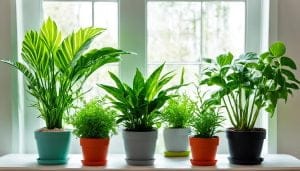
Indoor plants are more than just aesthetic additions to your home; they also act as natural air purifiers. Through a process called photosynthesis, plants absorb carbon dioxide and release oxygen, improving the air quality in your space. In addition, certain indoor plants have been proven to remove toxins such as formaldehyde, benzene, and trichloroethylene from the air, making your environment healthier.
To create a serene atmosphere and enhance the air purification process, consider combining indoor plants with the aromatherapeutic benefits of essential oils. Essential oils derived from plants not only add a pleasant fragrance to your space but also offer various health benefits. For example, lavender essential oil promotes relaxation and reduces stress, while eucalyptus essential oil can help alleviate respiratory issues.
The synergy of science and nature can create a truly invigorating atmosphere, promoting both physical and mental well-being.
To fully harness the power of nature for cleaner air, here are some recommended indoor plants and their associated benefits:
| Indoor Plant | Purifying Benefits |
| Snake Plant | The snake plant is known for its ability to remove toxins such as formaldehyde and benzene from the air. |
| Peace Lily | The peace lily is effective in removing common indoor pollutants like ammonia and acetone. |
| Spider Plant | Spider plants excel at removing formaldehyde and xylene from the air. |
By incorporating these indoor plants into your home and utilizing essential oils, you can create a serene atmosphere while enjoying the aromatherapeutic benefits. Not only will your space look more vibrant and welcoming, but you’ll also breathe cleaner air, enhancing your overall well-being.
Mindful Habits for a Healthier Living Environment
Adopting mindful habits can greatly improve indoor air quality. By incorporating simple changes into your daily routines, you can create a cleaner and healthier living environment for you and your family.
Cleaning and Maintenance
Regular cleaning plays a crucial role in minimizing indoor air pollutants. Dust particles and allergens can accumulate over time, affecting the quality of the air you breathe. Make sure to:
- Dust: Dust surfaces, furniture, and electronics regularly to reduce dust mites and other airborne particles.
- Vacuum: Vacuum carpets, rugs, and upholstery at least once a week using a vacuum cleaner with a HEPA filter to effectively remove allergens.
- Clean and Maintain HVAC Systems: Have your heating, ventilation, and air conditioning (HVAC) systems professionally serviced to ensure they are clean and operating efficiently.
- Change Air Filters: Regularly change air filters in your HVAC systems as recommended by the manufacturer. This helps prevent the circulation of dust, pollen, and other airborne pollutants.
Proper Storage and Disposal
The way you store and dispose of household products can affect indoor air quality. Proper storage and disposal methods help prevent the release of harmful chemicals into the air. Consider these practices:
- Store Chemicals Safely: Keep cleaning products, paints, and other chemical substances in well-ventilated areas and away from living spaces.
- Dispose of Hazardous Waste Properly: Follow local guidelines for the safe disposal of hazardous waste, such as batteries, fluorescent bulbs, and electronic devices, to prevent toxic substances from entering the environment.
Lifestyle Adjustments
Small lifestyle adjustments can make a big difference in improving indoor air quality. Consider implementing the following habits in your daily life:
- Remove Shoes at the Entrance: Leave your shoes at the door to prevent tracking outdoor pollutants, dirt, and allergens into your home.
- Ensure Proper Ventilation: Open windows when cooking, cleaning, or using chemicals to allow fresh air circulation and minimize the buildup of pollutants.
- Use Natural Cleaning Products: Opt for environmentally friendly and non-toxic cleaning products to reduce the release of harmful chemicals into the air.
By adopting these mindful habits and making conscious choices in your daily life, you can create a healthier living environment and improve indoor air quality for yourself and your loved ones, including in your home office space.
Take the First Step
“Improving indoor air quality starts with simple yet impactful changes in our daily routines. By adopting mindful habits, such as regular cleaning, proper storage and disposal, and small lifestyle adjustments, we can create a healthier living environment for ourselves and those we care about.”
Learn more about how you can improve indoor air quality by visiting this page on indoor air quality.
Protecting Your Family’s Health with Better Air Quality
Paying attention to indoor air quality is crucial for safeguarding your family’s health. The impact of air pollutants can be particularly harmful to vulnerable members of your family, including children and the elderly. Ensuring cleaner air in your home creates a healthier environment for your loved ones.
The Vulnerability of Children
Children, with their developing respiratory systems, are more susceptible to the effects of poor air quality. Exposure to air pollutants can lead to respiratory problems, allergies, and even long-term health issues. As parents, it is our responsibility to provide a safe and healthy environment for our children to grow and thrive.
Protecting the Elderly
Elderly family members, with compromised immune systems, are also at greater risk from the harmful effects of air pollutants. Poor air quality can exacerbate existing health conditions, increase the frequency of respiratory infections, and diminish overall well-being. Taking steps to improve indoor air quality can significantly benefit the health and comfort of our elderly loved ones.
“Improving air quality in your home not only safeguards the health of your family but also promotes a better quality of life.”
By investing in air purification systems and implementing other air quality improvement measures, you can create a healthier and safer living environment for your family. Cleaner air reduces the risk of respiratory issues, allergies, and other illnesses, allowing your loved ones to thrive and enjoy a higher quality of life.
The Future of Indoor Air Quality Solutions
With rapid advancements in technology, the future of indoor air quality solutions is looking brighter than ever. Smart home systems integrated with AI-powered sensors are leading the way in providing cleaner and healthier air for your living spaces. These innovative systems offer adaptive air conditioning that adjusts based on real-time air quality readings, ensuring optimal comfort and well-being.
By harnessing the power of AI, these smart home systems can detect and respond to changes in air quality, providing a proactive approach to maintaining cleaner air. AI-powered sensors continuously monitor the air and identify potential pollutants, allowing for timely intervention and effective air purification.
“Smart home systems integrated with AI-powered sensors offer adaptive air conditioning that adjusts based on air quality readings.”
One example of this technology is adaptive air conditioning. These systems use AI algorithms to analyze air quality data and automatically adjust temperature and ventilation settings to create a healthier environment. By optimizing airflow and filtering out contaminants, adaptive air conditioning systems contribute to cleaner air and a more comfortable living space.
Technology advancements also enable smarter and more efficient air purification methods. From advanced filtration systems to UV-C light sterilization, these innovations provide enhanced air purification capabilities, reducing harmful particles and allergens in the air we breathe.
Advantages of Future Indoor Air Quality Solutions:
- Improved air quality for healthier living environments
- Efficient and proactive air purification systems
- Real-time monitoring and automatic adjustments based on air quality data
- Reduced exposure to airborne pollutants and allergens
- Enhanced comfort and well-being
The future of indoor air quality solutions holds great promise in providing cleaner and healthier air for our homes. By embracing technology advancements and incorporating AI-powered sensors into our living spaces, we can ensure a cleaner, safer, and more comfortable environment for ourselves and our loved ones.
Click here to learn more about indoor air quality solutions and how they can benefit your home.
Conclusion
Investing in air purification systems and adopting mindful habits can greatly improve the air quality in your home. With cleaner air, you can promote holistic well-being and contribute to a healthier and happier lifestyle.
Air purifiers are an effective solution for removing harmful particles and allergens from the air, providing you with cleaner, fresher air to breathe. Additionally, ventilation systems help circulate and refresh the air in your home, further improving indoor air quality.
Embracing natural remedies, such as indoor plants that act as natural air purifiers, can also contribute to cleaner and healthier air. By harnessing the power of nature, you create a serene atmosphere while reaping the aromatherapeutic benefits.
Advancements in technology, such as smart home systems integrated with AI-powered sensors, are shaping the future of indoor air quality solutions. With these advancements, you can enjoy adaptive air conditioning that adjusts based on air quality readings, ensuring consistently cleaner air in your home.
Improving indoor air quality is an investment in your overall health and well-being. By taking steps to improve the air quality in your home through air purification systems, ventilation systems, natural remedies, or technology advancements, you enhance your home environment and promote a healthier lifestyle.