
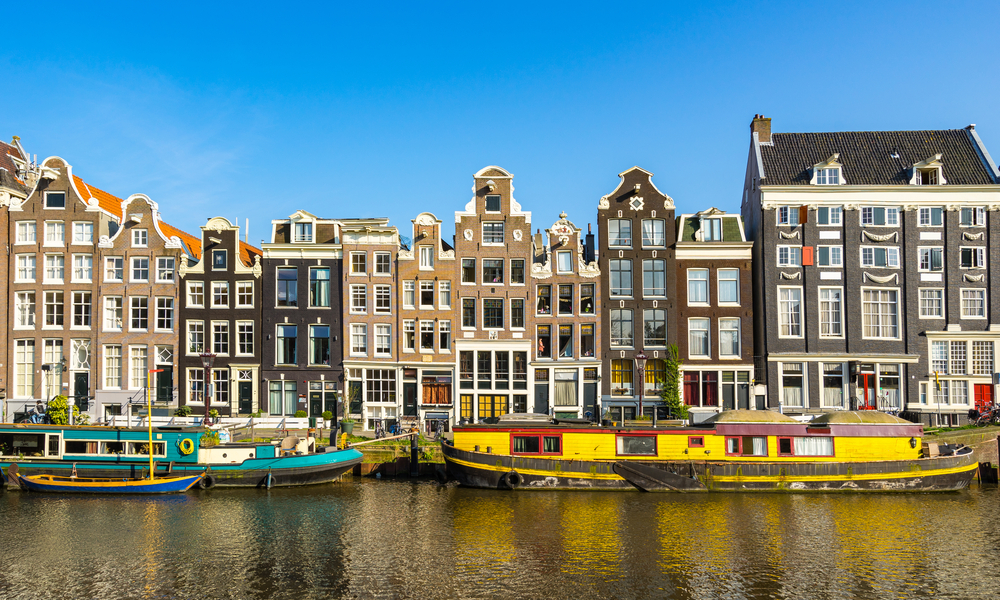
Dutch property law expats encounter when purchasing real estate in the Netherlands is different enough from American practice that going in without proper legal guidance creates real exposure — not in obvious ways that announce themselves early, but in structural and procedural differences that tend to surface at exactly the wrong moment. The process of buying a home or investment property in the Netherlands can move quickly once an offer is accepted, and the decisions that matter most for protecting a buyer’s interests need to be made before that momentum takes over.
The Right to Buy Is Not the Complicated Part
One of the first things American expats discover when researching the Dutch property market is that there are no restrictions on foreign nationals purchasing real estate in the Netherlands. EU or non-EU status is irrelevant to the right to buy, which surprises many Americans who assume restrictions will apply given the competitive and regulated nature of the Dutch housing market.
The right to buy is simple. The process of buying correctly is where the differences start to matter. Dutch property law expats need to understand operates through a notary rather than through buyer’s attorneys or title companies in the American sense. The notary is a neutral legal professional who executes the formal deed transfer and registration — they are not the buyer’s representative, and they are not looking out for the buyer’s interests in the way an American real estate attorney would.
That distinction catches American buyers off guard more consistently than almost any other aspect of the Dutch system. Having independent legal counsel in commercial law review purchase agreements and advise on terms before the notary executes anything is the structural protection the Dutch system doesn’t provide automatically.
Ground Leases and What They Mean for Buyers
One of the specific aspects of dutch property law expats encounter most frequently — and find most surprising — is the prevalence of ground lease arrangements in Dutch cities, particularly Amsterdam. A ground lease (erfpacht) means the homeowner owns the building but leases the land underneath it from a municipality or private ground lessor. The homeowner pays a periodic canon for that land lease, and the terms of the canon can be adjusted at renewal intervals.
The implications of buying a ground lease property versus a freehold property are significant for both financing and long-term ownership costs. Mortgage lenders treat ground lease properties differently, and the canon adjustment mechanism means future ownership costs can increase substantially at renewal — a risk that isn’t visible in the purchase price itself. Understanding whether a specific property involves a ground lease and what the terms of that lease are is due diligence that needs to happen before an offer is made rather than after.
Dutch Tenant Protections and Investment Properties
For American expats purchasing investment property in the Netherlands, the strength of Dutch tenant protection law is the most consequential thing to understand before completing a purchase. Dutch landlords in the private rental sector cannot terminate a lease without legal grounds that satisfy a court. That means sitting tenants in a property being purchased cannot simply be asked to leave because the property has changed ownership — they have legal rights that transfer with the property.
The tenancy law and home ownership rights framework in the Netherlands is designed to protect tenants in ways that make investment property acquisition meaningfully different from what American investors are accustomed to. Understanding exactly what tenancy rights attach to a specific property before completing a purchase is essential rather than optional for anyone buying with existing occupants.
Inheritance Planning for Dutch Property
American expats who own Dutch real estate and have family members in the United States face inheritance law complexity that can affect how Dutch property passes on death in ways that may not align with what their American estate planning documents intend. Dutch inheritance law applies to Dutch-situated assets, and the civil law framework the Netherlands uses differs structurally from the common law framework underlying American wills and trusts.
Getting inheritance law planning right for Dutch property requires attorneys who genuinely understand both systems — not attorneys who primarily work in one jurisdiction and attempt to account for the other. Documents that work perfectly for American assets may fail entirely for Dutch real estate without cross-border estate planning coordination.
Construction and Renovation Disputes
Expats renovating or building in the Netherlands encounter a distinct legal framework for construction disputes that differs from American practice. Dutch construction contracts follow default terms that may not match what an American buyer expects, and disputes over defects, delays, or contractor performance go through specialized arbitration rather than general courts in most cases.
Getting construction and real estate legal support in place before signing a construction contract — rather than after problems develop — consistently produces better outcomes. The terms negotiable at the contract stage become far less so once work is underway and parties are already in disagreement about what was agreed to.
Why Early Legal Involvement Changes the Outcome
The consistent theme across every aspect of dutch property law expats navigate is that early legal involvement produces meaningfully better outcomes than addressing legal questions after commitments have been made. The Dutch property market moves quickly once an offer is accepted, and the momentum of a purchase in progress makes it difficult to pause and address structural concerns that should have been evaluated before the process began.




