
Vinyl windows for residential homes are almost always the starting point of a conversation about upgrading a home’s building envelope — and that makes sense. Windows represent the larger investment, the broader surface area, and the most visible change. But treating the project as windows-only leaves something real on the table. Doors are part of the same thermal envelope, and older doors that haven’t been addressed quietly work against the efficiency gains the new windows are delivering. Knowing that relationship exists before a project starts is what separates a genuinely complete upgrade from one that’s only halfway there.
How Older Doors Undercut New Window Performance
Replacing vinyl windows for residential buildings with modern units brings measurable efficiency improvements — better glass packages, tighter seals, reduced conductive heat loss, and the elimination of the drafts that come through deteriorating frames in older windows. But those gains only hold if the rest of the envelope is performing at a comparable level.
Older patio doors with compressed weatherstripping bleed conditioned air constantly. Entry doors where the bottom sweep has worn through or the threshold has developed a gap let air move freely with every temperature differential between inside and out. A homeowner who invests in energy efficient vinyl windows and leaves a leaking patio door or poorly sealed entry in place is leaving a meaningful portion of those efficiency gains unrealized — paying for performance the envelope can’t actually deliver because the doors are still working against it.
Replacing Patio Doors Alongside the Windows
Patio doors represent the largest glass surface in most homes after the windows themselves — and they’re frequently among the oldest and least efficient elements in the building envelope. Sliding patio doors from more than a decade ago typically have outdated glass packages, weatherstripping that’s well past its effective life, and frames that have expanded and contracted through years of seasonal temperature cycles until they no longer close with the seal they had when new.
Replacing a patio door at the same time as the windows creates visual consistency that matters both practically and aesthetically. Frames, hardware finishes, and glass appearance match throughout the home rather than having clearly different product generations visible side by side. Patio doors with modern Low-E coatings and gas fill deliver the same performance characteristics as quality replacement windows — meaning the entire rear wall of a room performs at the same level rather than having updated windows flanking a door that’s still losing energy.
Storm Doors and Entry Points
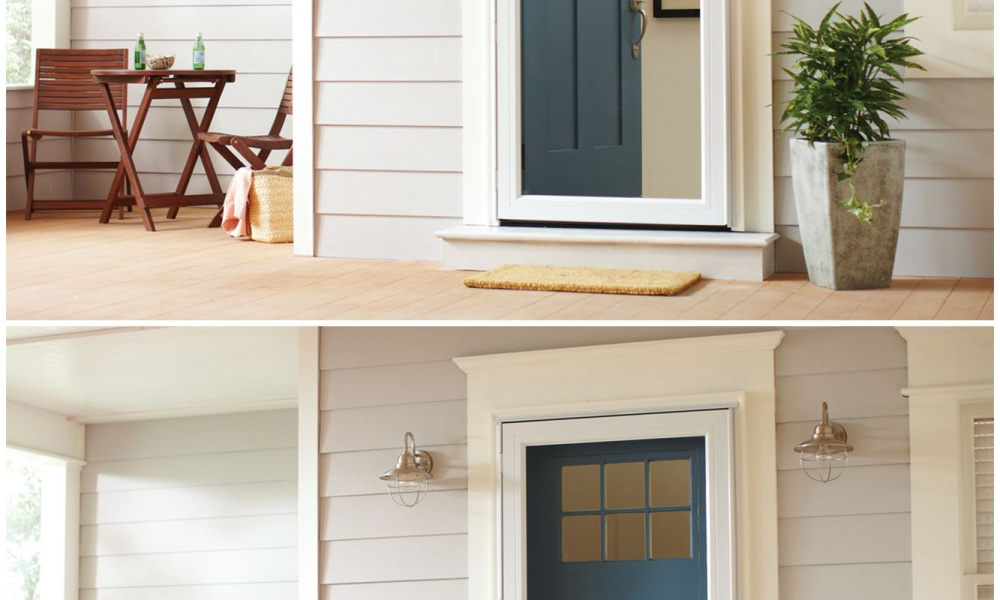
Entry doors are a different category — primarily solid rather than glass — but they develop their own air sealing problems as they age. Weatherstripping compresses and loses its seal over time. Bottom sweeps wear through. Thresholds develop gaps. A door that looks perfectly fine visually can be responsible for significant conditioned air loss around its entire perimeter.
Storm doors add a second layer of protection at entry points that creates an airlock effect, reducing heat exchange every time the primary door opens. They also protect the primary door from direct weather exposure, extending finish life and reducing long-term maintenance requirements. For homes where seasonal temperature variation is meaningful — which describes most of the markets where vinyl windows for residential upgrades make the most sense — a quality storm door at the main entry delivers a clear and straightforward return.
The Warranty and Service Relationship
A practical benefit of sourcing windows and doors from the same manufacturer through the same dealer is what it does to the post-installation service relationship. When products come from different manufacturers installed by different contractors at different times, any service question requires figuring out which product and company are responsible before anything can actually move forward.
A coordinated upgrade through a single dealer handling both vinyl replacement windows and matching door products creates a clean installation record and a single point of contact for anything that needs attention afterward. For homeowners who aren’t interested in managing multiple contractor relationships and separate warranty documents for each product category, that simplification has real practical value.
Planning Windows and Doors Together
For homeowners who can’t do everything simultaneously, planning the sequence intentionally still matters. Windows first is the more common approach given the larger surface area and investment. But communicating to the installer from the beginning that door upgrades are planned — even if for the following season — allows them to account for it in how they handle trim and finish work at areas where windows and doors are adjacent.
Redoing that finish work twice because the sequence wasn’t coordinated from the start adds cost and disruption that a straightforward conversation at the outset would have avoided entirely. The where to buy resource is a good starting point for finding dealers equipped to handle both products and plan a coordinated project regardless of how the timing comes together.




