
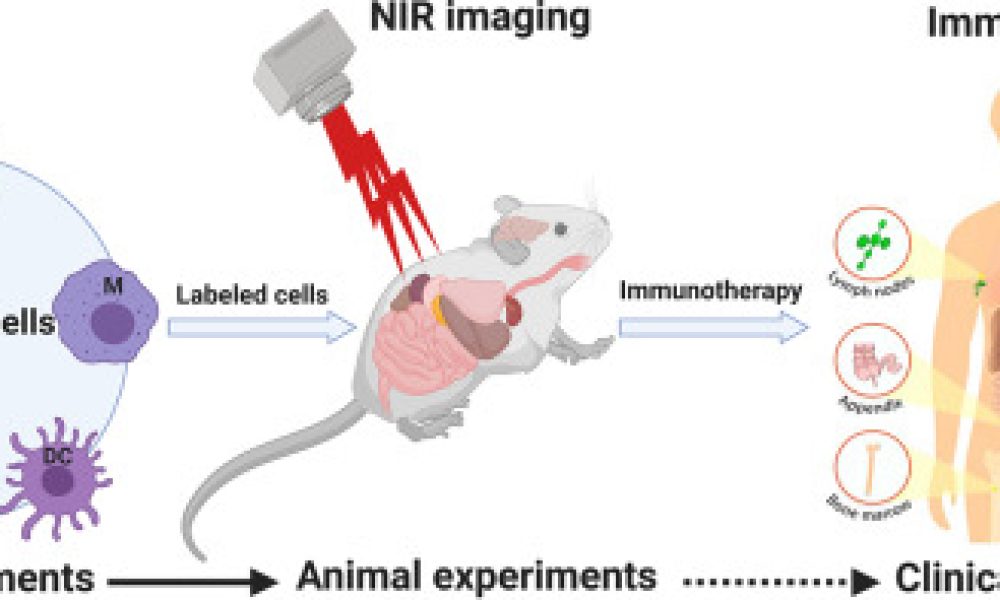
The global near infrared (NIR) imaging market is witnessing rapid expansion, driven by its transformative applications in medical diagnostics, oncology, ophthalmology, and minimally invasive surgeries. By enabling real-time visualization of tissues, blood flow, and tumors, NIR imaging enhances surgical accuracy and patient outcomes while reducing recovery times. Its integration with artificial intelligence (AI) has further propelled adoption, allowing precise, image-guided interventions in complex procedures. On an annual basis, over 4.5 million NIR-assisted treatments are performed globally, demonstrating a success rate exceeding 92%, making it a critical tool for modern healthcare systems.
Market statistics indicate that the NIR imaging industry is projected to grow from US$ 1,338.6 million in 2025 to US$ 2,571.1 million by 2032, reflecting a robust CAGR of 9.8% during this period. The growth is largely fueled by the rising prevalence of cancer and cardiovascular diseases, which necessitate advanced imaging for early detection and intervention. Hospitals currently dominate the end-user segment, accounting for 47.3% of total revenue in 2025, due to their high procedural volumes and early adoption of innovative imaging solutions. Geographically, North America leads the market with a 39.1% share, driven by significant investments in biomedical research, extensive adoption of minimally invasive surgeries, and the presence of leading imaging technology companies pioneering NIR solutions.
Download Your Free Sample & Explore Key Insights: https://www.persistencemarketresearch.com/samples/35177
Key Highlights from the Report
• The demand for near infrared imaging is expanding due to enhanced tissue and blood flow visibility and increasing prevalence of cardiovascular and cancer conditions.
• Fluorescent dyes and contrast agents are improving imaging sensitivity and diagnostic accuracy in image-guided surgeries.
• The reagents and consumables segment is expected to generate 57.5% of revenue in 2025 due to superior performance over visible-light dyes.
• Hospitals are projected to dominate the end-user market, accounting for 47.3% of global revenue in 2025.
• North America is expected to lead the market in 2025 with a 39.1% share and a CAGR of 8.5% from 2025 to 2032.
• AI-powered NIR imaging is enhancing early-stage cancer detection with up to 30% greater precision in surgical outcomes.
Market Segmentation
The near infrared imaging market is segmented based on product type, end-user, and application. From a product perspective, reagents and consumables dominate due to their superior diagnostic capabilities. Indocyanine Green (ICG) remains the leading reagent, widely used in angiography, tumor resection, vascular surgery, and spinal procedures. Emerging near infrared fluorophores such as IRDye 800CW and fluorescein sodium provide enhanced tissue penetration and longer fluorescence duration, driving growth in surgical and diagnostic applications.
Based on end-users, hospitals represent the largest segment, reflecting the high demand for NIR-assisted surgeries, oncology procedures, and cardiovascular imaging. Diagnostic centers and research laboratories are also expanding their adoption of NIR imaging systems for early disease detection, molecular imaging research, and functional brain mapping. Applications in minimally invasive surgeries, dermatology, neurology, and cardiovascular diagnostics highlight the versatile nature of NIR imaging, positioning it as an indispensable tool in modern healthcare.
Regional Insights
North America leads the NIR imaging market due to heavy investments in biomedical research, advanced healthcare infrastructure, and a focus on minimally invasive procedures. The U.S. and Canada, in particular, drive innovation through collaborations between leading institutions and companies developing AI-powered fluorescence-guided surgeries and molecular imaging solutions.
Europe is experiencing growth in NIR imaging driven by the rising number of minimally invasive procedures and demand for non-invasive diagnostic techniques. Countries like Germany, France, and the U.K. are investing in fluorescence-guided tumor resection and vascular imaging, supported by programs such as Horizon Europe to advance medical imaging innovations.
The Asia Pacific region is poised for rapid expansion, fueled by a growing elderly population and increased demand for affordable diagnostic solutions. China, India, and Japan are investing in cost-effective, high-efficiency NIR imaging devices to address cancer, cardiovascular, and neurodegenerative diseases, supported by national initiatives such as India’s National Digital Health Mission.
Get Custom Insights Designed for Your Business: https://www.persistencemarketresearch.com/request-customization/35177
Market Drivers
The primary growth driver for the near infrared imaging market is its increasing adoption across multiple medical disciplines, including oncology, cardiovascular diagnostics, neurology, and minimally invasive surgeries. NIR imaging allows high-resolution, real-time visualization of tissues and blood flow, enhancing surgical accuracy and reducing post-operative complications. The integration of AI in imaging systems has further elevated diagnostic precision, particularly in early-stage cancer detection, improving treatment outcomes by up to 30%. Moreover, the rising prevalence of cancer and cardiovascular diseases globally continues to fuel demand for advanced imaging solutions, particularly in hospitals and specialized diagnostic centers.
Market Restraints
Despite its advantages, the widespread adoption of near infrared imaging is limited by high system costs and maintenance requirements. NIR imaging systems range from US$ 30,000 to US$ 150,000, with specialized cooled detectors costing up to US$ 250,000. Additional costs for annual maintenance, software updates, calibration, and skilled personnel contribute 15–20% to total ownership expenses. Consequently, only 30% of healthcare facilities in developing regions have adopted NIR technology. Furthermore, substantial research and development expenditures, estimated at US$ 3 billion annually worldwide, restrict access to smaller hospitals and impede cost reductions, thereby slowing market penetration in certain geographies.
Market Opportunities
Significant opportunities exist in the expansion of NIR imaging applications beyond traditional surgical procedures. Increasing research and development in targeted molecular imaging is reshaping disease detection at the cellular and molecular levels. Investments exceeding US$ 5 billion in molecular imaging have led to the development of targeted fluorescent probes and contrast agents, such as ICG and nanoparticles, enhancing early cancer, cardiovascular, and neurodegenerative disease detection. The integration of NIR imaging into portable and point-of-care devices presents further potential in telemedicine, functional brain mapping, wound monitoring, and oxygen saturation assessment, creating avenues for innovative diagnostics and real-time patient monitoring.
Checkout Now & Download Complete Market Report: https://www.persistencemarketresearch.com/checkout/35177
Company Insights
• Leica Microsystems
• Medtronic (Visionsense)
• PerkinElmer Inc.
• Zeiss Group
• FLUOPTICS SAS (Getinge)
• Stryker
• KARL STORZ SE & Co. KG
• Olympus
• Hamamatsu Photonics K.K.
• Mizuho Medical Co., Ltd.
• Shimadzu Corporation
• Headwall Photonics
• Koninklijke Philips N.V.
• Hitachi, Ltd.
• Bruker
• GE Healthcare
• FUJIFILM Holdings Corporation
• LI-COR Biotech, LLC
• Nikon Instruments Inc.
• Agilent Technologies, Inc.
Recent market developments include: In December 2024, scientists at the Jawaharlal Nehru Centre for Advanced Scientific Research (JNCASR) in India developed flexible NIR plasmonic devices using cost-effective ScN films to enhance wearable sensors, medical imaging, and optoelectronic applications. In November 2024, Irillic Private Ltd. introduced India’s first True 4K NIR laparoscopic imaging system, L.nm, offering high-quality imaging with real-time ICG fluorescence quantification and remote access.
Conclusion
The near infrared imaging market is poised for sustained growth, driven by increasing adoption across surgical, diagnostic, and research applications. Technological advancements in fluorescent dyes, contrast agents, and AI integration are enhancing imaging sensitivity, accuracy, and clinical outcomes, while the rising prevalence of cancer and cardiovascular diseases continues to drive demand. North America and Europe lead the market due to strong research infrastructure and investments in minimally invasive procedures, while Asia Pacific presents significant growth opportunities through its expanding geriatric population and focus on affordable, high-efficiency imaging solutions. Although high costs and maintenance requirements present challenges, ongoing innovation and the expansion of molecular imaging applications are expected to create substantial opportunities, solidifying the role of NIR imaging as a cornerstone of modern healthcare diagnostics and precision medicine.




