
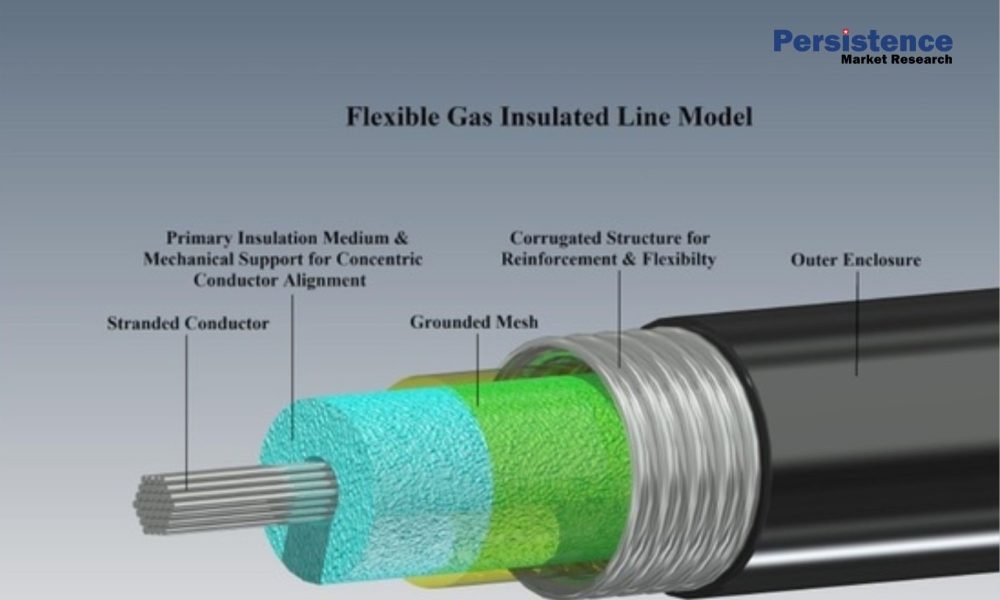
Gas-Insulated Transmission Line (GIL) Market: Powering the Future of Electricity Transmission
The global energy landscape is undergoing a profound transformation, driven by surging electricity demand, rapid urbanization, and an unprecedented surge in renewable energy capacity. In this evolving context, the Gas-Insulated Transmission Line (GIL) market has emerged as a pivotal technology enabling efficient, reliable, and space-efficient high-voltage electricity transmission. With its ability to overcome the physical constraints of traditional overhead lines and support modern grid needs, GIL technology is gaining traction across power utilities, urban infrastructure projects, and renewable energy networks worldwide. This blog delves deep into the market dynamics, growth drivers, challenges, opportunities, and competitive landscape shaping the GIL industry.
Understanding Gas-Insulated Transmission Lines
Gas-Insulated Transmission Lines are advanced power transmission systems that use an insulating gas—traditionally sulfur hexafluoride (SF6)—to enable high-voltage electricity transfer in a compact, enclosed configuration. Unlike traditional overhead lines that require large tracts of land and are subject to environmental and visual constraints, GIL systems can be installed underground, in tunnels, or in densely built environments without significant land disruption. This makes them especially suited for urban centers, areas with limited right-of-way availability, and regions with environmental sensitivities.
The core advantage of GIL systems lies in combining high transmission capacities with minimal space requirements and superior reliability. These systems are inherently robust, exhibit lower transmission losses, and provide high operational safety in comparison to conventional alternatives. Such features are integral to meeting the growing electricity demands in both developed and developing economies.
Get Your FREE Sample Report Instantly – Click Now: https://www.persistencemarketresearch.com/samples/21805
Market Size and Growth Outlook
According to Persistence Market Research, the global GIL market is projected to grow from an estimated USD 590.8 million in 2025 to approximately USD 836.9 million by 2032, reflecting a healthy compound annual growth rate (CAGR) of around 5.1% over the forecast period.
This projected growth is driven by accelerating investments in grid modernization, the transition toward renewable energy systems, and increasing deployment of advanced transmission infrastructure. As grids evolve to support variable and distributed energy resources, the demand for efficient, low-footprint transmission solutions like GIL is expected to rise significantly.
Key Market Drivers
- Rapid Urbanization and Grid Modernization
One of the primary drivers of the GIL market is the rapid pace of urbanization worldwide. Cities are growing at an unprecedented rate, and with this growth comes a surge in electricity demand and challenges associated with limited space for traditional overhead transmission infrastructure. As urban densities increase, the right-of-way for overhead lines becomes increasingly scarce and contentious, driving utilities and governments to seek space-efficient alternatives. In this context, GIL tanks its value as an underground or enclosed transmission solution that minimizes surface footprint while delivering high voltage transmission capabilities.
Additionally, modernization initiatives aimed at upgrading aging grid infrastructure in developed markets further supplement GIL demand, particularly in areas where conventional systems are antiquated or struggling to keep pace with contemporary energy requirements.
- Renewable Energy Integration
The escalating deployment of renewable energy—particularly wind and solar—creates a pressing need for efficient long-distance transmission. Renewable resources are frequently located far from urban load centers, necessitating infrastructure that can carry high voltages over long distances with minimal loss. GIL technology fits this requirement well, offering robust performance in transmitting electricity from remote generation sites to consumption hubs.
With global renewable capacity additions exceeding 300 GW annually, there is a significant opportunity for utilities to incorporate GIL into transmission corridors designed for clean energy evacuation. This demand trajectory is expected to amplify as countries pursue net-zero targets and expand offshore wind capacity, especially in Europe and Asia Pacific.
- Environmental and Regulatory Incentives
Traditional overhead transmission lines are often criticized for visual pollution, land use constraints, and higher environmental impact. In contrast, GIL systems’ enclosed designs minimize visual disruption and electromagnetic interference and support environmentally conscious grid planning. Furthermore, increasing regulatory pressure on insulating gases like SF6—with a high global warming potential—is prompting innovation in eco-friendly alternatives. Next-generation insulating media such as fluoronitrile-based gases and dry air technologies are gaining traction as sustainable substitutes, opening new avenues for environmentally compliant GIL deployment.
Get a Customized Market View in One Click: https://www.persistencemarketresearch.com/request-customization/21805
Challenges Facing the GIL Market
Despite compelling growth drivers, the GIL market is not without challenges. One of the most significant barriers is high initial capital expenditure. GIL installations typically cost significantly more—often two to three times higher—than traditional overhead lines. This cost premium, combined with complex underground or tunnel installation requirements, deters budget-constrained utilities, especially in emerging markets.
In addition, the requirement for specialized engineering expertise, extended project timelines, and stringent safety compliance further raises the cost and complexity of GIL deployments. Regulatory hurdles, such as land acquisition permits and environmental assessments, also extend project timelines and may delay implementation.
Lastly, the environmental impact and regulatory scrutiny around SF6 gas itself present a challenge for widespread adoption. Though alternatives are emerging, transitioning to low-GWP gases requires additional certification, research, and long-term supply security.
Market Segmentation Insights
Rated Voltage
Within the GIL market, the 230–500 kV voltage segment is expected to dominate, accounting for around 46–47% of revenue share by 2025. This segment is favored due to its wide applicability across regional transmission networks, grid interconnections, and bulk power delivery systems. Its balance of technical maturity, capacity, and commercial viability makes it the go-to choice for many grid operators.
Installation Methods
Underground/direct burial installations are gaining prominence, capturing over 50% of the market share. This is largely due to their preference in densely populated urban areas and regions with strict visual and environmental regulations. By routing transmission infrastructure below ground, utilities can expedite approvals, reduce disruption, and achieve higher community acceptance.
End-Use Industries
The power transmission and distribution sector represents the largest end-use segment, with an estimated 58% revenue share, owing to the extensive grid expansion and modernization programs globally. Utilities are increasingly adopting GIL solutions to expand network capacity, integrate renewables, and improve reliability without the complexities associated with overhead systems.
Regional Dynamics
Asia Pacific
Asia Pacific leads the global GIL market, with about 39.2% market share, driven by rapid industrialization, massive electricity demand growth, and significant infrastructure investments. Countries such as China, India, Japan, and ASEAN nations are investing heavily in transmission modernization and grid expansion, creating strong demand for GIL technology.
North America and Europe
North America is a key market, supported by grid modernization funding and renewable energy integration projects, particularly in the United States and Canada. Europe, meanwhile, is projected to grow at the highest regional CAGR due to stringent environmental regulations and expanding offshore wind installations requiring advanced transmission systems.
For In-Depth Competitive Analysis, Buy Now: https://www.persistencemarketresearch.com/checkout/21805
Competitive Landscape
The GIL market is moderately consolidated, with major players like Siemens AG, GE Grid Solutions, ABB, and Hitachi ABB capturing significant revenue shares. These companies leverage advanced technology portfolios, extensive distribution channels, and established utility partnerships to maintain competitive advantages. Tier-two players and regional manufacturers also play important roles by offering tailored solutions and competitive pricing strategies.
Conclusion: A Strategic Infrastructure for the Future
The Gas-Insulated Transmission Line market is poised for steady growth as the global energy sector evolves toward greater efficiency, sustainability, and digitalization. GIL technology offers a compelling solution that aligns with modern grid requirements—from urban electrification to renewable energy integration and environmental compliance. While cost and regulatory challenges persist, ongoing technological innovation and strategic infrastructure investments are expected to drive broader adoption in the coming decade. For stakeholders in utilities, policy, and technology development, GIL represents a strategic infrastructure investment that facilitates the reliable and sustainable transmission of electricity in the 21st century.




