
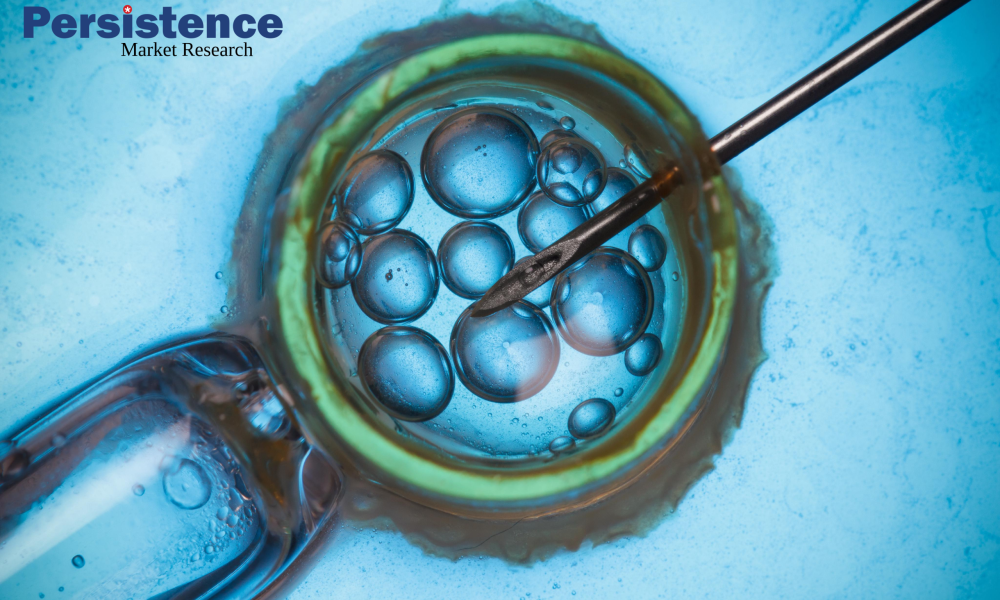
The US assisted reproductive technology (ART) market has been experiencing rapid growth in recent years and is projected to continue expanding at a remarkable pace. Estimated to reach a market valuation of US$11.3 billion by 2031, the ART market in the US is poised to grow at a compound annual growth rate (CAGR) of 17.8% from 2024 to 2031. This growth is largely driven by an increase in infertility cases, advancements in fertility treatments, and rising demand for fertility preservation services, making ART an essential avenue for couples seeking to build families.
Key Insights and Market Projections
The market is estimated to reach US$3.6 billion in 2024, with the rapid development of assisted reproductive technologies fueling growth. The ART market’s success in the United States can be attributed to the rising incidence of infertility among both men and women, advancements in treatment methods, and greater awareness of available fertility options.
Between 2019 and 2023, the US ART market grew at a historical CAGR of 15.7%. With its projected CAGR of 17.8% from 2024 to 2031, the market will continue to thrive, driven by continuous research and technological innovations that promise to improve success rates for ART procedures, including in vitro fertilization (IVF).
Download Your Free Sample & Explore Key Insights
Introduction to Assisted Reproductive Technology
Assisted reproductive technology refers to medical procedures that aid in the conception of children for individuals and couples facing fertility challenges. ART involves the manipulation of eggs, sperm, or embryos to enhance the chances of a successful pregnancy. While ART techniques are highly effective, they are also labor-intensive and expensive. The most common ART method, IVF, involves fertilizing an egg outside the body in a laboratory setting and subsequently transferring the embryo to the uterus for implantation. The effectiveness of ART depends on several factors, including the patient’s age, the underlying cause of infertility, and the type of procedure used.
Factors Driving the Growth of the ART Market
Rising Prevalence of Infertility
Infertility is increasingly common in the United States, affecting both men and women. According to the National Survey of Family Growth (NSFG), approximately 7% of women aged 15 to 44 experience infertility. Additionally, research from Oxford Journals estimates that 10% of men in the US, aged 16 to 74, also face infertility challenges. Factors such as obesity, stress, and sedentary lifestyles contribute to the growing infertility rates. As these issues continue to affect the population, the demand for ART services is expected to rise significantly.
Advancements in Research and Development
The field of fertility treatment has made significant strides, with new technologies improving the outcomes of ART procedures. Innovations such as preimplantation genetic testing (PGT), advanced sperm selection techniques, and embryo cryopreservation have enhanced success rates and allowed ART procedures to be more accessible. Moreover, artificial intelligence (AI) is poised to play a crucial role in the future of ART, as it can aid in the precise evaluation of embryos and gametes, improving the chances of successful implantation.
Growing Demand for Fertility Preservation
An emerging trend driving the ART market is the increasing demand for fertility preservation, especially among young women and cancer patients. Many individuals are opting to freeze their eggs or embryos to preserve their fertility for later in life. This trend is contributing to the expansion of ART services as individuals seek to safeguard their reproductive health in the face of lifestyle or medical challenges.
Get Custom Insights Designed for Your Business
Challenges Facing the ART Market
Despite its robust growth, the ART market faces several hurdles that may slow its progress in the coming years.
High Costs of ART Procedures
One of the primary challenges for ART adoption is the high cost of treatments. Fertility treatments are often financially burdensome due to the specialized skills required, sophisticated medical equipment, and costly pharmaceuticals, such as hormone therapies. Additionally, patients may need multiple treatment cycles before achieving a successful pregnancy, further escalating costs. This financial strain limits access to ART for many couples, particularly those without adequate insurance coverage.
Health Risks Associated with ART
ART procedures carry some health risks for both the mother and child. For example, multiple pregnancies and preterm births are more common among ART pregnancies, which can lead to complications. Women undergoing ART treatments are also at risk for ovarian hyperstimulation syndrome (OHSS), which can cause severe health issues, including kidney failure. These health concerns may deter some individuals from seeking ART treatments and can act as a barrier to market growth.
Opportunities in the ART Market
Increasing Awareness and Acceptance of ART
Public awareness of ART treatments, particularly IVF, has grown significantly in recent years. This increase in awareness has led to more couples seeking ART solutions to address infertility. As social attitudes toward fertility treatments become more positive, ART is increasingly viewed as a viable and acceptable option for those struggling with infertility. This shift in perspective is expected to further fuel market growth.
Advances in Male Infertility Treatments
While ART has traditionally focused on female infertility, the recognition of male infertility as a key factor in reproductive challenges has led to the development of new treatments for male infertility. As the medical community focuses on creating innovative therapies for male infertility, the ART market is expected to expand its offerings to meet the evolving needs of patients.
Checkout Now & Download Complete Market Report
Market Segmentation
By Technique
- IVF
- Artificial Insemination
By Procedure
- Fresh Donor
- Fresh Non-Donor
- Frozen Donor
- Frozen Non-Donor
By End Use
- Fertility Clinics
- Hospitals
Recent Developments in the ART Market
In recent months, significant developments have been made in the ART market. In January 2024, Ivy Fertility partnered with SMP Pharmacy Solutions to enhance patient experiences across Ivy’s reproductive locations. Similarly, in February 2023, Bumrungrad International Hospital launched its Fertility Centre & IVF Clinic to offer comprehensive reproductive care. In October 2023, Hamilton Thorne Ltd. acquired Genetics Medical Products, further expanding its presence in the ART market by acquiring innovative IVF devices.
Competitive Landscape
The US ART market is highly competitive, with numerous fertility centers striving to improve patient outcomes and increase their market share. Companies like Shady Grove Fertility, Boston IVF, and the Cleveland Clinic Fertility Centre are leading players in the market, focusing on technological innovations, patient-centric care, and expanding their service offerings. As competition intensifies, these companies will likely invest heavily in research, advanced technologies, and patient support initiatives to maintain leadership positions.
Conclusion
The US assisted reproductive technology market is set to experience substantial growth in the coming years, driven by rising infertility rates, technological advancements, and a growing awareness of fertility treatments. While challenges such as high costs and health risks remain, opportunities for growth are abundant, particularly as social attitudes shift toward greater acceptance of ART. With ongoing research and a competitive landscape that encourages innovation, the future of ART in the US looks promising.




