
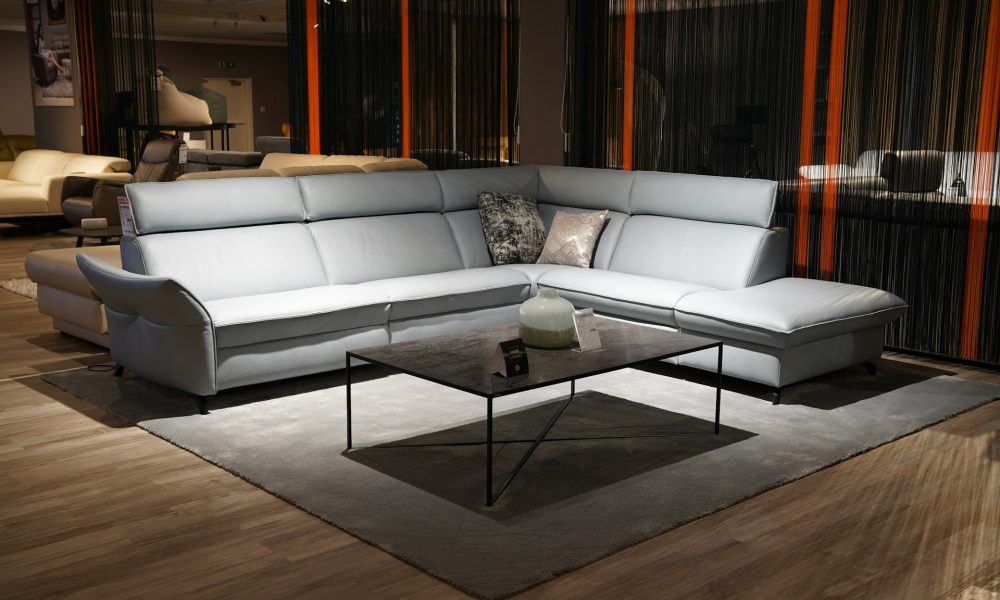
Walking into furniture stores feels overwhelming. One sofa costs fifteen thousand. Another that looks almost identical costs sixty thousand. Same thing with chairs – prices jump all over the place.
What’s actually driving these numbers? Let me break it down.
Material Quality Makes the Biggest Difference
The stuff furniture is made from determines most of the cost.
Wood types and their impact:
- Solid wood costs way more than plywood
- Teak and sheesham are expensive but last for decades
- Pine and rubber wood are cheaper options
- Engineered wood brings costs down significantly
I bought a solid wood chair five years ago for eight thousand rupees. Still looks new. My friend got a cheaper engineered wood one for three thousand. He replaced it twice already. Sometimes paying more upfront saves money eventually.
Fabric choices matter too:
- Cotton is affordable and breathable
- Leather costs the most but ages beautifully
- Synthetic fabrics like polyester are budget-friendly
- Velvet and linen sit in the premium range
Chairs and sofa price jumps dramatically when you switch from basic cotton to genuine leather. We’re talking double or triple the cost easily.
Foam Density Affects Comfort and Cost
People ignore this, but foam quality changes everything about sitting comfort.
Higher-density foam costs more but keeps its shape longer. Low-density foam sags within months. You end up with a lumpy sofa that hurts your back.
Check foam density before buying. Anything below 28-30 density for regular use won’t last. For sofas you use daily, go for 35-40 density even if it costs extra.
My living room sofa has high-density foam. Three years of daily use and still comfortable. My neighbour’s cheaper sofa started sagging in six months. He wishes he’d spent more initially.
Brand Names Add to the Price Tag
Big brands charge more. That’s just how it works.
You’re paying for:
- Brand reputation and trust
- Better after-sales service
- Quality guarantees
- Design consistency
Local furniture makers charge less, but quality varies wildly. Some are excellent, others are terrible. You’re taking a risk either way.
I’ve bought from both. Got a great dining table from a local carpenter for half of what branded stores quoted. But also got a chair that broke within a year from another local shop. It’s honestly a gamble.
Design Complexity Drives Up Costs
Simple, straight designs cost less to make. Fancy curved designs with detailed work? Much more expensive.
What increases manufacturing costs:
- Intricate carving or patterns
- Unusual shapes and angles
- Multiple fabric types in one piece
- Tufted or button detailing
- Handcrafted elements
A plain three-seater sofa price might be thirty thousand. The same sofa with a tufted backrest and carved wooden legs? Easily fifty thousand or more.
Think about whether you actually want that fancy design or if simple works fine. I bought a basic sofa because I knew I’d cover it with throws anyway. Saved fifteen thousand rupees.
Size Obviously Changes Pricing
Bigger furniture needs more materials and labour. Pretty straightforward.
A single-seater chair costs less than a two-seater. A three-seater sofa costs more than a two-seater. An L-shaped sectional costs the most because it’s basically multiple pieces connected.
Measure your space before deciding on size. Don’t buy a huge sofa just because it looks nice in the showroom. It might not even fit through your door or look proportional in your actual room.
My friend bought a massive sectional sofa without measuring. It dominated his small living room and made everything feel cramped. He sold it at a loss within months.
Where You Buy Matters More Than You Think
Same furniture, different prices at different places.
Shopping options:
- Big showrooms have the highest prices but the best service
- Online stores offer discounts, but you can’t test them before buying
- Local markets have negotiable prices
- Direct from manufacturers cuts middleman costs
- Warehouse sales give huge discounts on older stock
I got my dining chairs during a warehouse sale. The original price was five thousand each. Got them for three thousand. Same quality, just last season’s design.
Online shopping for furniture scares me, though. You can’t actually sit on it or feel the fabric. Colours look different on screens. Returns are complicated with big items.
Making Smart Buying Decisions
Shop around before deciding. Compare prices across multiple stores. Don’t fall for “limited time offer” pressure tactics immediately.
Negotiate when possible. Many furniture stores, especially local ones, have flexible pricing. I usually get 10-15% off just by asking politely.
Calculate long-term costs, not just the upfront price. A fifteen-thousand-rupee sofa that lasts three years costs five thousand per year. A forty-thousand-rupee sofa lasting ten years costs four thousand per year. Sometimes spending more makes financial sense.




