
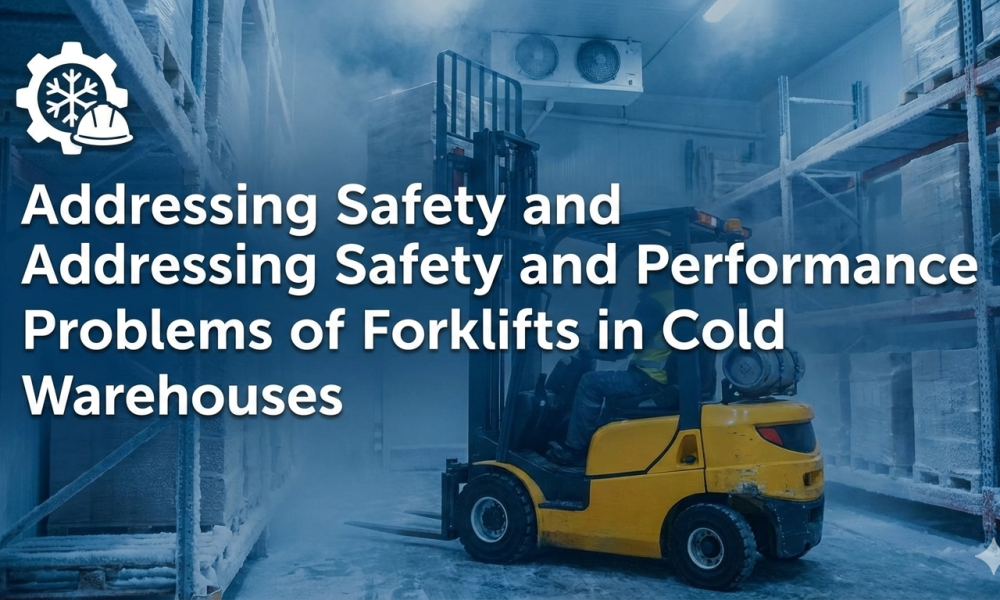
Cold storage facilities operate under freezing conditions that challenge daily material handling tasks. Forklifts, including Yale forklifts, working in these spaces experience stress from ice, moisture, and temperature shifts. Standard warehouse equipment often fails when exposed to constant freezing air. Planning for cold environments helps businesses avoid breakdowns and workflow delays. Special designs, trained operators, and maintenance strategies improve freezer productivity. Understanding these factors supports safer operations and long-term equipment performance.
Power Systems Facing Low Temperature Stress
Extreme cold reduces electrical efficiency inside industrial power systems rapidly. Battery charge drains faster while charging cycles take longer inside freezer zones. Cold rated batteries help maintain consistent output during extended work hours. Some facilities rely on forklifts yale due to freezer tested power solutions. Battery warming technology protects cells from freezing related damage risks. Charging stations placed outside cold zones improve battery lifespan significantly. Routine monitoring helps managers track declining power before failures occur. Balanced battery rotation spreads workload evenly across fleet equipment usage. Reliable power planning prevents interruptions during peak cold storage operations.
Fluid Movement and Mechanical Resistance
Low temperatures increase fluid thickness inside hydraulic and steering systems. Slow fluid movement affects lifting accuracy and steering response timing. Cold approved lubricants restore smooth motion across mechanical components. Seals harden under freezing air, increasing leakage probability over time. Buyers reviewing forklift sale listings must verify cold fluid compatibility. Frequent inspections reduce pressure losses caused by brittle hoses failures. Updated maintenance intervals match the harsh demands of freezer environments. Proper fluid selection supports predictable performance across daily shifts. Mechanical reliability ensures pallets move safely without sudden load drops.
Surface Grip and Mobility Control
Frozen warehouse floors reduce traction for moving industrial vehicles significantly. Cold stiffens tires, limiting grip during turning and braking actions. Special tire compounds stay flexible despite constant low-temperature exposure. Tread designs improve contact with icy or frosted surfaces effectively. Many operators choose forklifts Yale supporting freezer traction enhancements. Floor treatments minimize slipping hazards near docks and storage aisles. Clear travel paths reduce sudden movements that cause loss of control. Regular tire checks identify wear that lowers handling stability quickly. Stable mobility improves safety for workers and stored inventory alike.
Human Endurance in Freezer Operations
Cold storage work challenges operator focus, comfort, and physical endurance levels. Extended exposure reduces reaction speed and handling accuracy noticeably. Enclosed cabins shield operators from harsh freezer air conditions. Heating features protect hands, legs, and posture during long shifts. During forklift sale planning, operator support features deserve priority consideration. Visibility aids help drivers navigate fog caused by temperature differences. Scheduled warm breaks reduce fatigue and cold-related strain effects. Training programs teach workers how cold impacts awareness and judgment. Healthy operators contribute to smoother and safer warehouse operations daily.
Structural Wear in Freezing Conditions
Freezing air causes metals to contract, affecting alignment and clearances. Electrical components are prone to condensation when moving between warm and cold zones. Moisture buildup damages sensors, wiring, and control modules over time. Cold-resistant materials prevent cracking and insulation breakdown issues. Many facilities trust forklifts Yale for freezer-tested construction strength. Protective coatings reduce corrosion caused by moisture exposure cycles. Sealed connectors block water intrusion inside electrical compartments. Gradual temperature transitions lower the shock stress on sensitive components. Durable construction reduces repair frequency across cold storage fleets.
Budget Planning and Equipment Selection
Reliable machines protect customer schedules and the warehouse’s reputation. Suppliers with cold expertise provide guidance beyond basic product offerings. Forklift sales and service agreements ensure prompt repairs in the event of unexpected equipment issues. Strategic purchasing balances performance needs with operational cost control.
Final Words
Cold storage success depends on preparation, equipment choice, and workforce care. Selecting forklifts Yale supports consistent performance under freezing demands. Planning each forklift sale carefully strengthens long-term operational resilience. Focused solutions create safer, steady, and efficient cold storage environments.




