

Across rural and semi-rural areas, more homeowners are discovering that septic system maintenance is not a routine chore to ignore but a critical part of protecting their property. This shift has grown stronger over the past few years as people move into quieter communities where private wastewater systems are the norm. As buyers settle into homes outside the reach of municipal sewer infrastructure, they are learning firsthand that properly caring for a septic system is necessary for safety, longevity, and the overall value of their home.
This growing interest is backed by increased awareness. The U.S. Environmental Protection Agency notes that roughly 20% of American households rely on septic systems, a figure that continues to rise as more residents seek space, privacy, and affordability away from city centers. With this trend comes a heightened sense of responsibility; homeowners are becoming more proactive in understanding how their systems function and what steps they must take to avoid expensive failures.
More Households Are Realizing the Age of Their Systems Matters
Many septic systems installed in the 1980s, 1990s, and early 2000s are now reaching a point where routine maintenance is no longer optional. Tanks naturally accumulate solids, drainfields slowly lose efficiency, and components degrade over time. Homeowners moving into older rural homes often inherit systems with unknown histories, prompting them to investigate maintenance schedules and best practices to ensure they don’t experience preventable backups or drainfield damage.
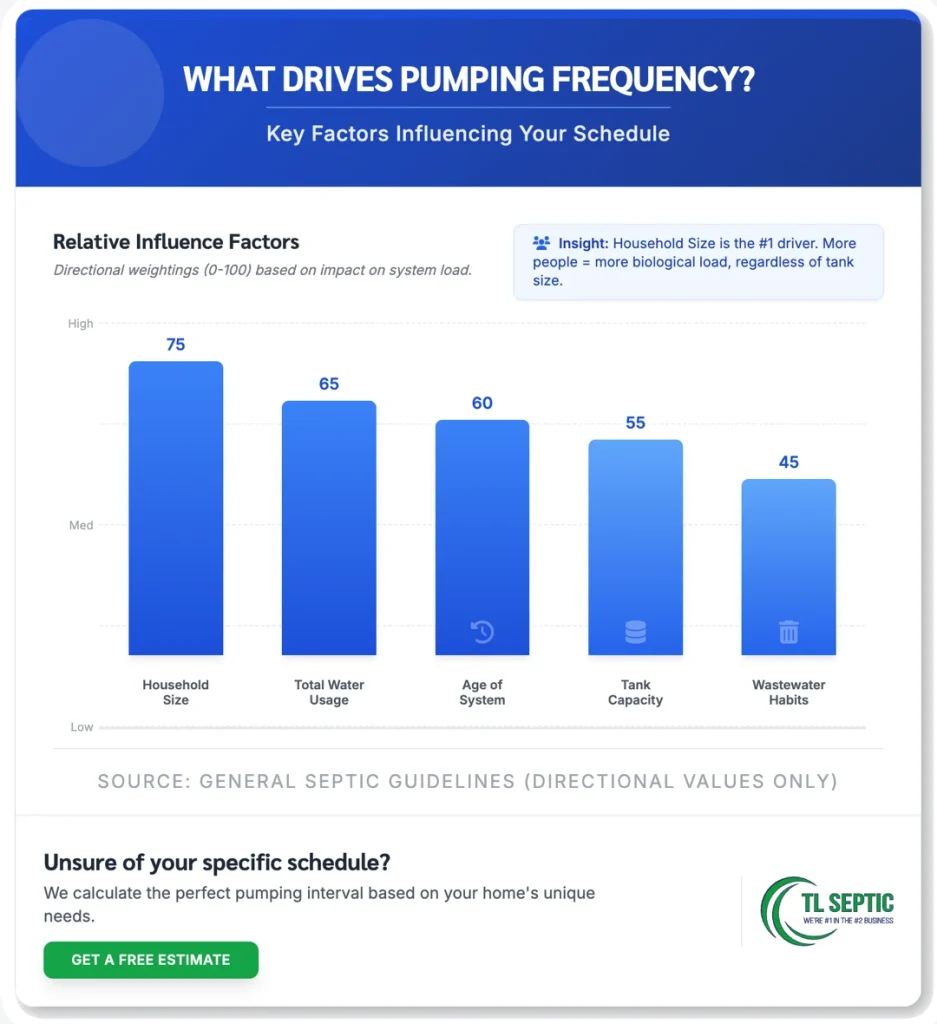
Those who take the time to understand system age and usage patterns tend to avoid the surprise of major repair bills. As rural communities grow, education around septic care is becoming an essential part of responsible homeownership.
Pumping Frequency Has Become a Major Topic of Research
One of the most important and commonly misunderstood aspects of septic care is determining how often a tank should be pumped. Many homeowners once assumed that pumping was needed only when problems appeared, but that myth has slowly faded as more people learn how sludge levels rise over time. Instead of relying on a standard timeline, homeowners are turning to resources that explain how tank size, household occupancy, and water usage all affect pumping frequency.
For homeowners seeking clear guidance, educational tools such as this breakdown on how often to pump a septic tank offer a practical way to evaluate realistic maintenance intervals. These resources help people understand that a proactive pumping schedule is far less costly than allowing solids to overflow into the drainfield.
Everyday Water Habits Make a Noticeable Difference
Alongside pumping schedules, homeowners are also discovering how daily water habits influence septic system performance. Smaller adjustments—such as spacing out laundry loads, repairing leaking toilets, using septic-safe products, and avoiding excessive use of garbage disposals—can significantly reduce stress on a system. These habits help maintain a healthy balance inside the tank, allowing bacteria to break down waste more efficiently and preventing hydraulic overload.
The U.S. Department of Agriculture has emphasized the value of water conservation in homes that rely on septic systems. Their guidance on the subject, including insights from the USDA’s recommendations for protecting septic systems, shows that even minor changes in water use can extend system life and prevent premature failures. This information has become especially important in high-usage households where daily water flow can easily exceed system capacity if not managed mindfully.
Seasonal Awareness Helps Homeowners Catch Problems Early
Seasonal changes also influence how septic systems behave. Heavy rainfall, extreme temperatures, and soil saturation can affect both the tank and drainfield. As a result, more rural homeowners are performing brief seasonal checks to identify potential issues before they escalate. These checks may involve walking around the drainfield to look for unusual wet spots, monitoring for odors near the tank area, or confirming that vent pipes remain unobstructed.
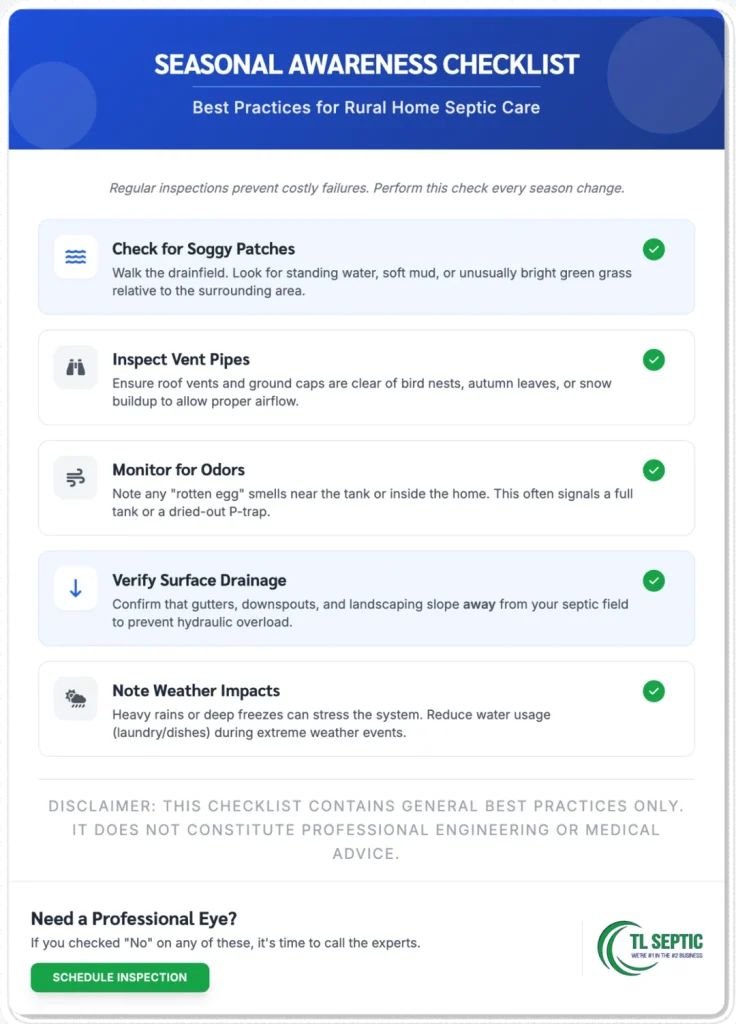
Such small, preventative steps help homeowners understand how weather patterns influence their systems and why maintenance cannot be left to chance. This increased awareness is creating stronger, more informed rural communities that take septic stewardship seriously.
A Growing Culture of Education and Preparedness
As more people gain firsthand experience with septic systems, a new culture of preparedness is emerging. Homeowners are no longer waiting for emergencies to occur; instead, they are actively seeking accurate information and turning to trusted sources to learn how their systems operate. With replacement costs often ranging from several thousand dollars to tens of thousands depending on soil conditions and system type, education has become one of the most valuable tools a homeowner can have.
This shift toward proactive care is expected to continue throughout 2025 and beyond. As rural populations expand and more homes rely on on-site wastewater systems, homeowners who stay educated will benefit from safer, more reliable performance and fewer unexpected repairs. The trend is clear: understanding a septic system is no longer optional — it is an essential part of protecting a home.