
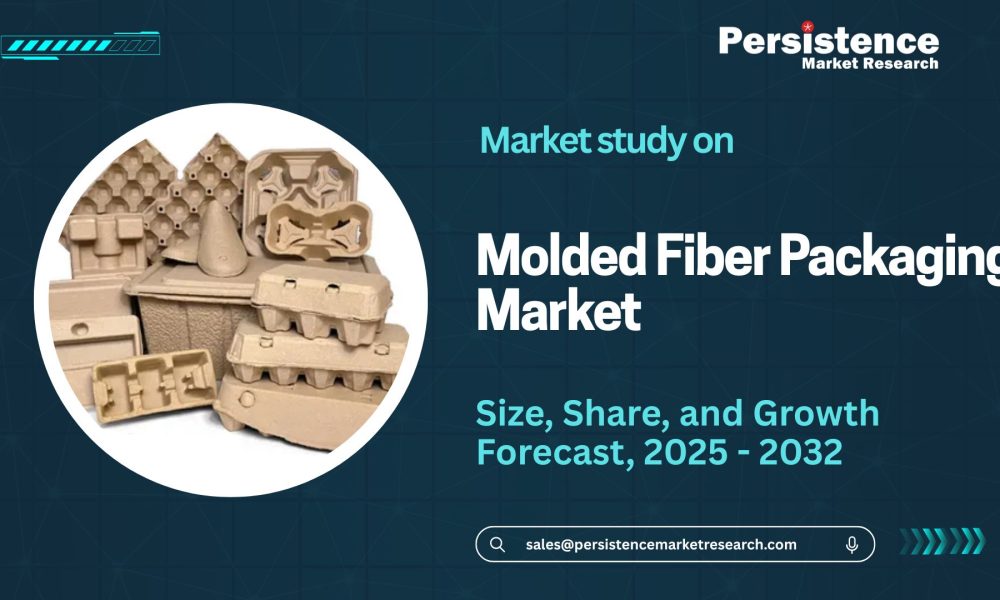
The global molded fiber packaging market is experiencing significant growth, driven by increasing demand for sustainable and biodegradable packaging solutions. This growth is particularly evident across industries such as food and beverage, electronics, healthcare, and e-commerce. According to Persistence Market Research, the market size is projected to reach approximately USD 10.15 billion in 2025 and is expected to grow to USD 14.87 billion by 2032, reflecting a compound annual growth rate (CAGR) of 5.6% during the forecast period.
Molded fiber packaging is an eco-friendly alternative to traditional plastic packaging. It is primarily made from recycled paper pulp, which is molded into various shapes and sizes to accommodate different products. This type of packaging is known for its biodegradability, compostability, and recyclability, making it an attractive option for companies aiming to reduce their environmental footprint.
Get a Sample Copy of Research Report (Use Corporate Mail id for Quick Response): https://www.persistencemarketresearch.com/samples/35499
Key Characteristics
- Sustainability: Made from renewable resources, primarily recycled paper pulp.
- Biodegradability: Breaks down naturally over time, reducing landfill waste.
- Protective Qualities: Offers cushioning and protection for products during transportation.
- Versatility: Can be molded into various shapes to fit different product requirements.
Market Drivers
- Environmental Concerns
The growing awareness of environmental issues has led to a shift towards sustainable packaging solutions. Consumers and businesses alike are increasingly seeking alternatives to plastic, which contributes significantly to pollution. Molded fiber packaging addresses these concerns by offering a biodegradable and recyclable option.
- Regulatory Pressures
Governments worldwide are implementing stricter regulations to reduce plastic waste. Policies such as bans on single-use plastics and incentives for using sustainable materials are encouraging industries to adopt molded fiber packaging solutions.
- Consumer Preferences
Modern consumers are more environmentally conscious and prefer products with eco-friendly packaging. This shift in consumer behavior is prompting companies to adopt molded fiber packaging to meet market demands and enhance brand image.
- Industry Adoption
Industries such as food and beverage, electronics, healthcare, and e-commerce are increasingly adopting molded fiber packaging. Its protective qualities make it suitable for packaging sensitive products, while its sustainability aligns with corporate social responsibility goals.
Market Segmentation
By Material Type
- Recycled Paper Pulp: Dominates the market due to its cost-effectiveness and availability.
- Virgin Paper Pulp: Used for high-quality packaging requirements.
- Mixed Pulp: Combines both recycled and virgin pulp to balance cost and quality.
By Product Type
- Trays: Widely used in the food industry for packaging fruits, vegetables, and meats.
- Clamshell Containers: Common in the packaging of electronics and consumer goods.
- End Caps: Provide protection for fragile items during shipping.
- Boxes: Used for a variety of products, offering stackability and protection.
By Application
- Protective Packaging: Ensures the safety of products during transportation.
- Food Service Packaging: Includes trays, plates, and containers used in the food industry.
- Electronics Packaging: Protects sensitive electronic components.
- Healthcare Packaging: Used for medical devices and pharmaceuticals.
Regional Insights
- North America
North America is a significant market for molded fiber packaging, driven by stringent environmental regulations and a strong emphasis on sustainability. The United States and Canada are leading the adoption of eco-friendly packaging solutions across various industries.
- Europe
Europe has been at the forefront of implementing policies to reduce plastic waste. Countries like Germany and the United Kingdom are witnessing increased adoption of molded fiber packaging, particularly in the food and beverage sector.
- Asia-Pacific
The Asia-Pacific region is experiencing rapid growth in the molded fiber packaging market. Countries like China and India are witnessing a surge in demand due to expanding industries and increasing environmental awareness.
- Latin America and Middle East & Africa
While still emerging markets, regions like Latin America and the Middle East & Africa are beginning to adopt molded fiber packaging solutions, driven by global sustainability trends and local regulatory changes.
Challenges
Despite its advantages, the molded fiber packaging market faces certain challenges:
- Cost of Production: Higher production costs compared to traditional plastic packaging can be a barrier for some companies.
- Raw Material Availability: Dependence on the availability of recycled paper pulp can affect production.
- Performance Limitations: While protective, molded fiber packaging may not offer the same level of durability as plastic in certain applications.
Future Outlook
The molded fiber packaging market is poised for continued growth. Innovations in manufacturing processes and materials are expected to enhance the performance and reduce the cost of molded fiber packaging. Additionally, increasing consumer demand for sustainable products and stricter environmental regulations will further drive the adoption of molded fiber packaging solutions.
Conclusion
Molded fiber packaging represents a significant advancement in sustainable packaging solutions. Its growth is fueled by environmental concerns, regulatory pressures, and shifting consumer preferences. As industries continue to seek eco-friendly alternatives, molded fiber packaging is set to play a pivotal role in the future of packaging.




