
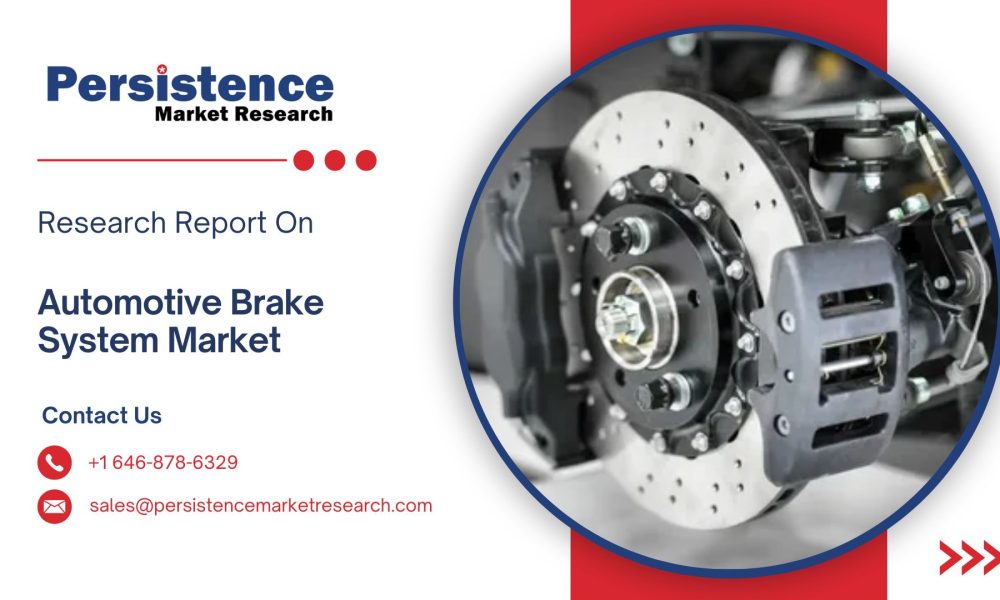
The global automotive brake system market is poised for robust growth over the coming years, with its valuation expected to increase from US$45.8 billion in 2025 to approximately US$66.6 billion by 2032. This growth trajectory corresponds to a compound annual growth rate (CAGR) of 5.5% during the forecast period from 2025 to 2032. The market expansion is underpinned by rapid advancements in brake technologies, rising adoption of electric and hybrid vehicles, and increasing regulatory emphasis on vehicle safety and emissions reduction worldwide.
The automotive brake system plays a critical role in vehicle safety by ensuring effective deceleration and stopping capabilities. As automotive manufacturers shift towards electric and hybrid powertrains, brake systems are evolving to integrate regenerative braking and advanced electronic controls. Simultaneously, stringent safety norms and consumer demand for enhanced driving safety fuel investments in braking innovations, including automated emergency braking (AEB) and adaptive braking systems.
Receive Sample of Research Report @ https://www.persistencemarketresearch.com/samples/19276
Segmentation Analysis
By Type
The automotive brake system market is segmented into disc brakes and drum brakes, with disc brakes currently dominating the market due to their superior performance, heat dissipation, and reliability. Disc brakes are increasingly preferred across passenger cars, commercial vehicles, and high-performance vehicles, driven by their compatibility with electronic stability control (ESC) and anti-lock braking systems (ABS).
Drum brakes, while still prevalent in cost-sensitive vehicle segments and rear axle applications, are witnessing a gradual decline in adoption due to performance limitations compared to disc brakes. However, improvements in drum brake materials and designs continue to sustain their usage, especially in emerging markets where cost considerations are paramount.
By Vehicle/Product/Service Type
The market is further classified by vehicle type, including passenger cars, light commercial vehicles (LCVs), and heavy commercial vehicles (HCVs). Passenger cars account for the largest share of brake system demand, driven by high production volumes and growing consumer preferences for advanced safety features.
Light and heavy commercial vehicles are also significant contributors, with increasing freight transportation and logistics activities boosting demand. The rising trend of vehicle electrification influences brake system design, as regenerative braking technologies are integrated alongside conventional friction brakes in electric and hybrid vehicles, enhancing energy efficiency and reducing wear.
By Propulsion and Technology
Technological innovation remains a key market driver. Conventional hydraulic brake systems are now complemented by electronic brake systems (EBS), which improve responsiveness and facilitate integration with vehicle control modules. The adoption of regenerative braking technology in electric vehicles (EVs) and hybrids is reshaping the brake market by converting kinetic energy into electrical energy during deceleration, thus enhancing vehicle efficiency.
Advanced driver-assistance systems (ADAS) incorporating automated emergency braking (AEB) and collision mitigation braking systems (CMBS) rely on sophisticated brake actuation technologies, pushing the industry towards increasingly intelligent brake solutions.
Request Customization of Report: https://www.persistencemarketresearch.com/request-customization/19276
Regional Insights
Leading Regions
Asia-Pacific dominates the global automotive brake system market, propelled by large-scale automotive manufacturing hubs in China, Japan, South Korea, and India. The region benefits from expanding vehicle production, rising disposable incomes, and government initiatives promoting vehicle safety and environmental sustainability.
North America and Europe also represent mature markets characterized by stringent safety regulations, high penetration of advanced braking technologies, and growing electric vehicle adoption. These regions are witnessing steady market growth driven by innovation and regulatory compliance.
Fastest-Growing Region
The Middle East and Africa (MEA) region is anticipated to exhibit the fastest growth during the forecast period. The expansion of automotive manufacturing, infrastructure development, and increasing demand for safer vehicles in these emerging markets contribute to accelerating brake system adoption. Moreover, growing awareness about vehicle safety and supportive government policies regarding emissions and safety standards are expected to further stimulate growth.
Unique Features and Innovations in the Market
Modern automotive brake systems are distinguished by their integration of smart technologies and material innovations. Lightweight composite materials and carbon-ceramic brakes are increasingly used to reduce unsprung weight and enhance thermal performance, particularly in performance and electric vehicles.
Technologies such as AI and IoT are revolutionizing brake systems by enabling real-time monitoring of brake wear, system diagnostics, and predictive maintenance. These connected brake systems improve reliability, safety, and reduce operational costs by preempting failures.
Furthermore, the advent of 5G connectivity allows seamless data transmission between brake systems and vehicle control units, enhancing responsiveness and enabling complex functions like vehicle-to-everything (V2X) communication for safer autonomous driving.
Market Highlights
The automotive brake system market is driven by multiple key factors. Foremost is the global push towards enhanced vehicle safety, with regulatory bodies like the National Highway Traffic Safety Administration (NHTSA), European New Car Assessment Programme (Euro NCAP), and others mandating advanced braking technologies as standard.
The rise in electric and hybrid vehicle sales intensifies the demand for brake systems that can accommodate regenerative braking and electronic integration. These vehicles require sophisticated braking controls to optimize energy recuperation and ensure seamless transitions between electric and friction braking.
Cost reduction through materials innovation and system integration is another driver, as manufacturers seek to balance performance with affordability. Sustainability concerns encourage the use of eco-friendly materials and technologies that reduce the environmental impact of brake manufacturing and disposal.
Key Players and Competitive Landscape
Leading players in the global automotive brake system market include Bosch Mobility Solutions, Continental AG, ZF Friedrichshafen AG, Brembo S.p.A., and Aisin Seiki Co., Ltd..
Bosch Mobility Solutions leverages its strong R&D capabilities to innovate in electronic braking and safety systems, focusing on integrated solutions for electric and autonomous vehicles.
Continental AG emphasizes smart braking technologies and digital connectivity, enhancing brake control systems through AI and IoT-enabled diagnostics.
ZF Friedrichshafen AG combines hydraulic and electronic braking expertise to develop advanced brake-by-wire systems and regenerative braking solutions for EVs.
Brembo S.p.A. leads in high-performance braking systems, supplying premium disc brakes and carbon-ceramic solutions for luxury and sports vehicles.
Aisin Seiki Co., Ltd. focuses on manufacturing brake components with an emphasis on quality and cost efficiency, expanding its presence in Asian automotive markets.
These companies adopt strategies centered around technological innovation, strategic partnerships, and geographic expansion to capture market share amid evolving automotive trends.
Outlook
The automotive brake system market is poised for significant growth fueled by technological evolution and the transition toward electric mobility. Innovations in brake materials, electronic controls, and integrated safety systems will drive product differentiation and market expansion.
Regulatory frameworks targeting enhanced vehicle safety and reduced environmental impact will continue to shape industry dynamics, compelling manufacturers to innovate and comply with stringent standards. The integration of AI, IoT, and 5G technologies will enhance brake system intelligence, responsiveness, and predictive capabilities, paving the way for safer, more efficient vehicles.
As global vehicle production expands and electrification accelerates, the automotive brake system market will present abundant opportunities for manufacturers and suppliers committed to delivering cutting-edge, sustainable, and reliable braking solutions.
Explore more related market insights and reports by visiting our website.




