
Amicus International Consulting Press Release
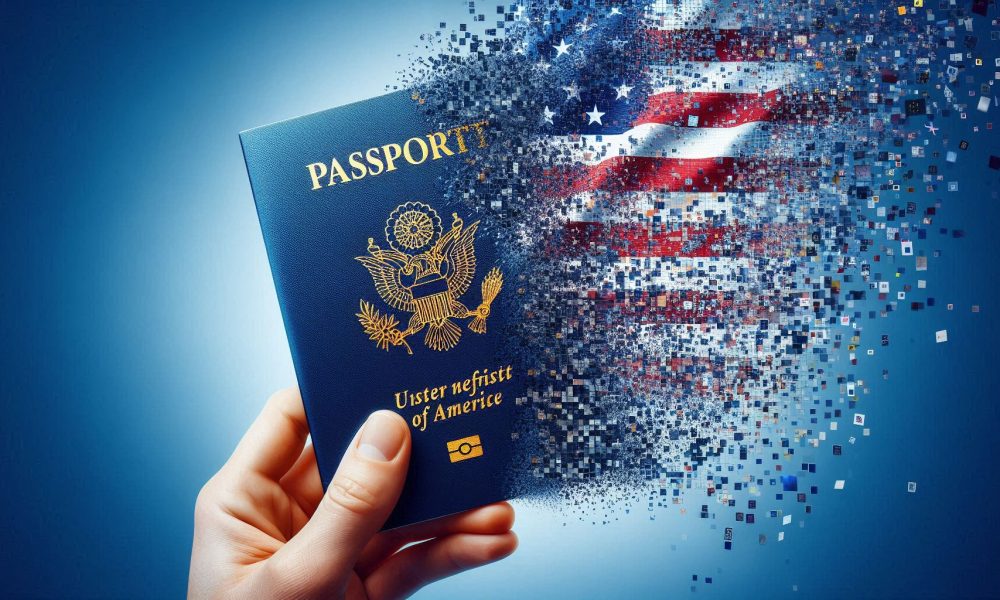
In a world where every action, transaction, and interaction is logged, indexed, and monetized, disappearing from the internet is not an act of rebellion—it is an act of protection. For individuals seeking a fresh start, safety, or privacy, the digital world can be more dangerous than the physical one. From data brokers and facial recognition networks to cloud-based behavioral profiles and public records archives, the internet has become a place where the past is always accessible.
Amicus International Consulting offers structured and fully legal pathways for clients who wish to disappear from the internet, not through secrecy or deletion, but through jurisdictional design, legal identity restructuring, and compliant erasure processes. This press release outlines how individuals, families, and professionals are reclaiming their autonomy by legally removing themselves from the internet and rebuilding private lives offline and under new legal parameters.
The Reality of the Digital Surveillance Economy
Modern internet infrastructure is built on the principle that everything can be stored, sold, and shared. Data brokers collect information on financial habits, purchases, travel, and even facial expressions. Platforms keep messages and photos long after they are deleted. Governments monitor communication channels, while artificial intelligence systems flag behavior patterns and associate them with legal identities.
For those who have been publicly exposed, such as whistleblowers, survivors of abuse, politically persecuted individuals, or those facing reputational harm, the internet is not a convenience; it is a threat. Removing oneself from this environment is not about escaping society. It is about regaining control of visibility.
Disappearing vs. Hiding: The Legal Distinction
To disappear from the internet lawfully, one must not engage in fraud, data destruction, impersonation, or false representation. Instead, the strategy involves:
Relocating digital infrastructure to privacy-protective jurisdictions
Severing ties between old identifiers and new credentials
Closing, converting, or deindexing accounts with legal authority
Using data removal requests within frameworks like GDPR and CCPA
Rebuilding online presence under legally changed identities or corporate fronts
Avoiding new data trails through behavioral compartmentalization
Amicus International Consulting guides clients through this legal transformation. Every step is documented, every authority respected, and every new identity protected by design.
Case Study: CEO Rebuilds Digital Life After Data Leak
A technology CEO experienced a massive data breach that exposed personal and corporate communications. This resulted in harassment, investor panic, and financial instability. Amicus developed a multi-layered plan: legal name change in the Caribbean, residency relocation to Uruguay, asset restructuring through a Nevis trust, and digital deletion via European data controllers. The client reemerged under a new professional identity, with devices rebuilt, accounts restructured, and no visible link to the previous digital footprint.
Step 1: Legal Name Change and Identity Separation
The process begins with the most crucial step, identity separation. A legal name change executed in a jurisdiction with strong privacy protections allows individuals to sever the digital connection between old and new lives. Many data systems use names as the primary linking mechanism. Changing it lawfully, along with legal residence, creates a clean break.
Countries such as Saint Lucia, Dominica, and parts of Canada and New Zealand offer legal name changes that are recognized for official documents, travel credentials, and banking. When combined with second residency or citizenship, this creates a legitimate new legal profile.
Step 2: Data Broker and Platform Deletion Requests
Under regulations such as the General Data Protection Regulation (GDPR) in the European Union and the California Consumer Privacy Act (CCPA), individuals have the right to request deletion of personal data from companies that collect or sell it. Amicus assists clients in filing formal erasure requests, backed by legal citations and identity documents.
Data brokers, such as Acxiom, LexisNexis, Whitepages, and Spokeo, must comply when valid documentation is provided. In many cases, Amicus attorneys act on behalf of the client to ensure that no trace remains in their databases. Platforms such as Facebook, Instagram, LinkedIn, and Twitter have internal procedures for removing accounts under legal identity changes, death certificates, or restructured ownership.
Step 3: Deindexing and Delisting From Search Engines
Google and other major search engines offer mechanisms for the removal of outdated or sensitive content. These include:
Submitting URLs for removal from the index
Filing privacy-based takedown requests under European or global privacy frameworks
Using legal counsel to pursue removals based on defamation, harassment, or outdated data
Amicus helps clients document their new legal status, show risk or harm associated with public exposure, and complete the formal processes for digital delisting. Although not all requests are granted, properly structured legal claims have a significantly higher success rate.
Case Study: Abuse Survivor Reclaims Digital Peace
A woman fleeing a violent partner needed more than physical distance; she needed digital silence. Amicus provided a comprehensive restructuring plan, including a name change in Dominica, the purging of email and phone numbers, data deletion across 80 brokers, and complete delisting from search results. A fresh legal identity was created, and secure housing, financial accounts, and employment were established under the new profile. Her ex-partner was legally and technologically prevented from tracking her online.
Step 4: Device Replacement and Metadata Control
Erasing an online presence also requires replacing or sanitizing the physical devices that store identifiers. Amicus provides clients with:
Air-gapped laptops not tied to previous accounts
Secure phones without biometric authentication
Encrypted messaging platforms
Decentralized data storage
Privacy-enhanced operating systems
Devices are set up in jurisdictions with no data retention mandates, and all metadata is neutralized. Digital behavior is then restructured with strict compartmentalization of personal, professional, and administrative identities.
Step 5: Email, Social Media, and Communication Replacement
Email addresses and phone numbers anchor most people’s identities. Disappearing requires building new systems:
Emails under pseudonyms or corporate entities
International numbers registered in privacy-first countries
Social media accounts operated under corporate media teams or proxies
No reuse of old handles, photos, or passwords
Amicus helps clients rebuild communication systems that are secure, encrypted, and detached from legacy networks.
Step 6: Corporate and Financial Infrastructure
To maintain a functioning life after digital disappearance, clients need new frameworks for income and expenses. Amicus designs structures that include:
Foundations in Panama or Liechtenstein to hold digital assets
Nevis or UAE corporations to manage business operations
Offshore debit cards not linked to legacy credit bureaus
Clean crypto wallets with cold storage
These structures allow clients to maintain financial functionality without reintroducing traceable identifiers into surveillance systems.
Common Myths About Internet Disappearance
Myth: It is illegal to delete yourself online
Truth: Most legal frameworks grant the right to be forgotten, particularly in the EU and parts of the U.S. The key is to follow legal processes rather than engaging in unauthorized hacking or impersonation.
Myth: Once online, always online
Truth: While complete deletion is rare, strategic erasure, delisting, and separation are effective. Combined with legal name changes and jurisdictional relocation, the original profile becomes unreachable.
Myth: Only the rich can afford to disappear
Truth: Many Amicus clients are not high-net-worth individuals. Survivors, dissidents, and professionals all benefit from scalable privacy plans based on needs and resources.
Myth: It is impossible to operate a business after disappearing
Truth: Many clients reemerge with corporate structures that allow them to operate publicly without personal exposure. This is common among consultants, digital entrepreneurs, and content creators.
Case Study: Political Dissident Creates Clean Digital Identity
A journalist under threat for reporting on government corruption was doxxed and digitally profiled. Amicus helped them obtain residency in Uruguay, register a trust in Panama, and file deletion requests through EU data protection channels. They now work under a corporate media entity with no public connection to their former identity. Income, publications, and communications are routed through controlled legal and technical layers.
Legal Systems That Support Internet Disappearance
Amicus relies on a combination of international legal frameworks that support online disappearance, including:
GDPR: Right to erasure, data minimization, and access transparency
CCPA: Data access and deletion rights for California residents
Digital Millennium Copyright Act (DMCA): Content takedown mechanisms
E-Commerce Directives in Europe: Platform liability and removal obligations
Human rights frameworks on privacy and freedom from surveillance
These are not loopholes. They are rights. When exercised correctly, they allow individuals to reclaim what has been taken from them.
Digital Hygiene for Long-Term Privacy
Once a digital identity has been erased or restructured, maintaining that privacy requires discipline. Amicus coaches clients on:
Never linking new profiles to old accounts
Avoiding app ecosystems that monitor behavior
Paying with anonymous or business-owned financial tools
Using secure browsers, VPNs, and anti-tracking plug-ins
Limiting unnecessary digital exposure and account creation
Privacy is not a one-time fix. It is a long-term lifestyle of awareness and control.
Why Disappearing Is Becoming a Strategic Necessity
As AI expands, so does the scope of surveillance. Deepfake technology, data matching algorithms, and predictive behavior models are being used by corporations, law enforcement, and data brokers to track individuals across platforms. For many, staying visible is no longer safe.
Disappearing from the internet is no longer fringe behavior. It is a strategic response to digital overreach.
Conclusion: Disappearance Is Not Escape, It Is Reinvention
To disappear from the internet permanently and lawfully is not to vanish—it is to redesign. Through legal tools, jurisdictional protections, and disciplined digital behavior, individuals can step out of the surveillance economy and into a future of intentional privacy.
Amicus International Consulting offers a comprehensive, legal pathway to digital disappearance. Whether for safety, strategy, or autonomy, the right to be forgotten is real, and we help you claim it.
Contact Information
Phone: +1 (604) 200-5402
Email: [email protected]
Website: www.amicusint.ca




