Choosing the appropriate AC fan for an industrial setting can directly impact how efficiently operations flow, how long equipment lasts, and how much energy is used. Whether you are optimizing control panels, server cabinets, or working with industrial enclosures, important selection criteria must guide your decision-making process. In this guide, we cover the primary factors for engineers, facility managers, and the purchasing department when acquiring AC fans, especially when evaluating offers from a fan filter unit manufacturer.
This article will comprehensively explain everything that needs to be considered from airflow requirements to environmental suitability, and the importance of vendor selection when buying an AC fan for sale.
AC Fans And Industrial Environment: What You Should Know
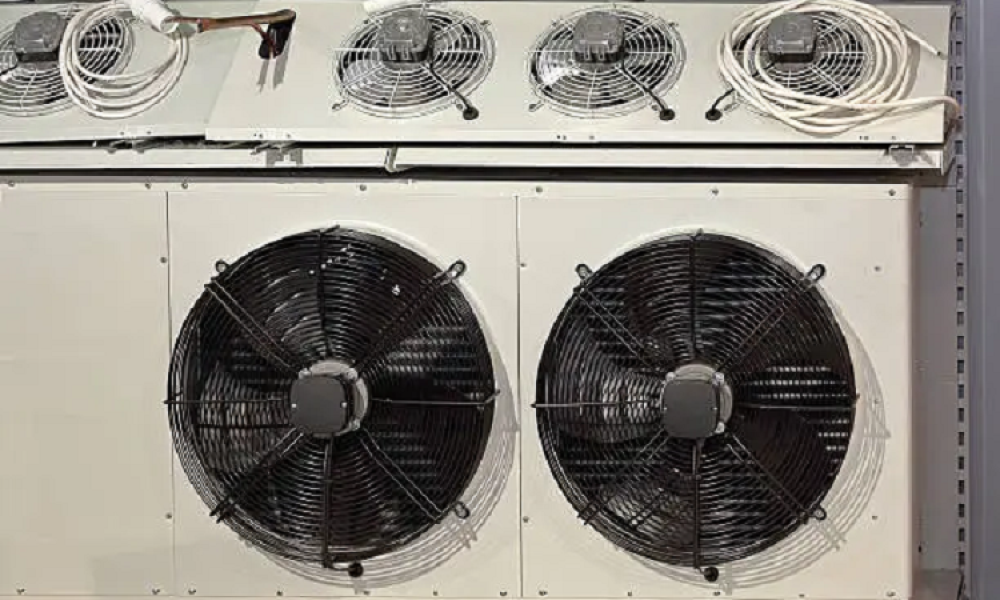
AC (alternating current) fans are broadly manufactured and a common feature of industrial environments due to their impressive cooling performance, ease of installation, and integration capabilities with the existing electrical infrastructure. These fans are available in a wide range of sizes, airflow rates, and configurations to meet an even wider range of cooling applications from heat removal in electronic cabinets to ventilation for super-sized machinery.
In the selection of AC fans, knowing the specifics of your industry application is very crucial. High ambient temperatures, constant operation, exposure to dust and vibration are among the factors that impact fan selection.
If your facility needs a balance in the filtration rate and the airflow rate, partnering with a fan filter unit manufacturer of good standing makes certain that thermal management and air cleanliness are both taken care of.
Important Industrial AC Fan Features
AC fans are not created equally. Not all AC fans have the same design features. To reduce maintenance and maximize uptime, consider the following features before making a purchase decision:
- Airflow Capacity (CFM or m³/h): It is one of the first steps engineers check whether the suggested unit can operate during the specified ambient environments.
- Static Pressure: For ducted or filtered systems, make sure the fans can perform well under high pressure.
- Mounting Style: Different enclosures and cabinet configurations are catered to by panel mount, wall mount and rack mount types.
- Noise Level: More quiet units will be needed in noise sensitive areas such as control rooms and testing labs.
- IP Rating: The degree of protection fans offer against solid or liquid dust ingress (IP54, IP65) is very important for outdoor or harsh environments.
- Bearing Type: Due to their durability and long life, ball bearings have an advantage in high-load applications and elevated temperature conditions.
A qualified fan filter unit manufacturer is likely to provide some level of customization, such as on the plugs, filter type, housing materials, or integrated filters, to fit their systems perfectly.
The Role of Environmental Conditions
Multifactorial environmental challenges. While in some cases the biggest problem may be dust or oil in the air, other situations may involve high humidity, rising and falling temperatures, and more. Selecting a wrong fan can cause premature failure, repairs, or other work stoppage expenses.
Consider a few of the environmental factors that diminish the performance of a fan:
- Dust and Debris: In dusty conditions, fans with integrated or add-on filter kits help maintain airflow by preventing clogging.
- Corrosive Atmospheres: Chemical plants or marine applications may require housings and coatings resistant to atmospheric corrosion.
- High Temperatures: Fans used for heavy duty applications close to motors or furnaces must be thermally rated for endurance.
When selecting an AC fan for sale, check the documentation concerning temperatures, IP ratings, and material suitability for your application. Evaluate from other suppliers as well.
Energy Saving Strategies and Life Cycle Cost Analysis
Business operations today emphasize energy efficiency to a greater extent than ever before. While AC fans might not match the efficiency standards of EC (electronically commutated) fans), advancements in motor design and blade geometry have markedly improved their performance in the recent past.
Looks at these aspects related to cost:
- Power Budget: Look up fans with similar airflow for wattage ratings and check their power consumption.
- Fan Servicing Schedule: A fan that lasts longer minimizes maintenance interruptions and saves on replacement costs.
- Cooling Efficiency: Downsizing or shutting off extra cooling units may be possible because of a more efficient fan.
- Warranty and Maintenance Services: Comprehensive post sales technical support and warranties help reduce costs in the long run.
Working with a reputable fan filter unit manufacturer ensures peace of mind, knowing with certainty the reliability of products and continuity of service, especially for mission-critical operations.
Sourcing and Supply Chain Strategies
Procurement specialists need to rethink the product itself and assess the wider supply chain scope. Sourcing a fan that meets the technical specification is only half the deal; the ability to procure it regularly without any hassles and at scale is equally important.
Key sourcing questions include:
- Lead Times: How fast can the manufacturer or distributor deliver bulk orders?
- Customization Availability: Can the supplier modify the fan to replace enclosure designs or standards like compliance marks?
- Certifications and Standards: Do the fans comply with international safety and quality standards (e.g. UL, CE, RoHS)?
- Global Availability: Managing operations in multiple countries entail that the vendor must supply and support fans globally.
An established fan filter unit manufacturer can improve your sourcing workflow by pre-configured kits or modular designs with documented products for regulatory audits.
Future-Proofing Your Cooling Strategy
The scenario with the increasing density of equipment, expansion of smart automation systems, and development of digital infrastructure will further increase the thermal loads on industrial systems. Selecting the right AC fan does not only concern its solving of cooling challenges at present, but more importantly, how it prepares a facility for future demands.
Proactive adoption of new technologies such as intelligent fan controllers, real-time monitoring of airflow, and hybrid fan-filter units is common practice in forward-thinking facilities. The incorporation of such technology can enhance predictive maintenance, reduce energy waste, and improve overall system performance.
When searching for an AC fan for sale, it is prudent to pay attention to a supplier who offers today’s solutions and is investing in next-generation cooling technologies.
Conclusion
Selecting an industrial AC fan goes well beyond deciding on a dimension or price range. The selection will affect the entire operation’s dependability, efficiency, and safety, which makes it a more complex strategic decision. Airflow boundaries and environmental factors, energy consumption, vendor assistance, and internal policies create a web of considerations for choosing the right equipment.
No matter if you’re supplying fans for control cabinets, electronics enclosures, or manufacturing lines, collaborating with a credible fan filter unit manufacturer guarantees that you receive not just a working unit, but also an entire industrial cooling system designed to meet your business requirements.
With precise alignment of performance specification with the environment’s physical realities while thinking several steps ahead, companies can confidently select the most effective AC fan for their operational needs today and tomorrow.