
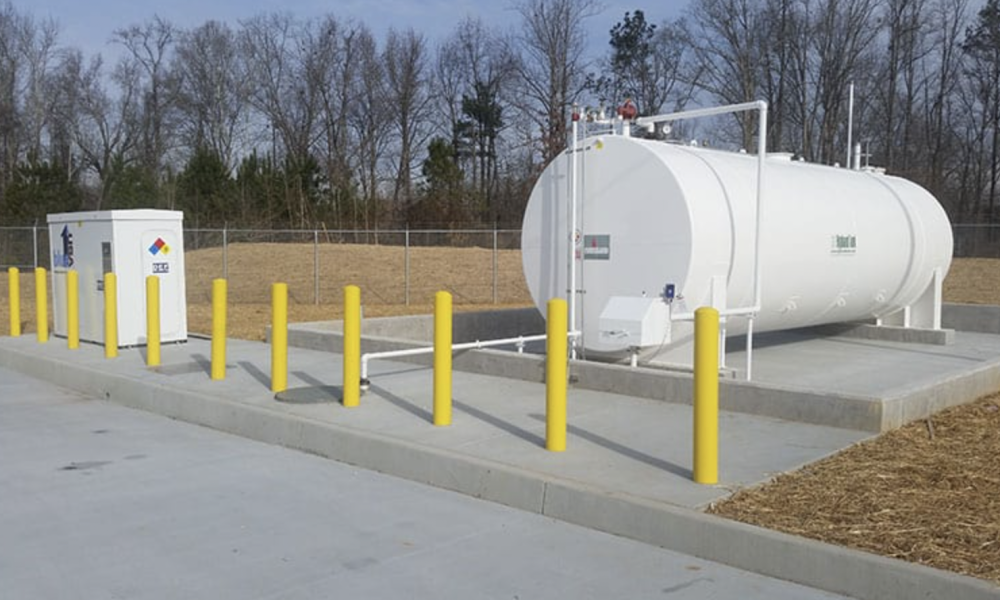
When it comes to fuel storage, strength, stability, and reliability are everything. Whether you’re outfitting a commercial facility, a farm, or a remote worksite, your fuel system needs to do more than just hold fuel—it has to protect it, deliver it safely, and withstand the elements. That’s where a well-designed above-ground fuel system shines.
If you’re planning to install a new setup, here’s how to approach it from the ground up—literally—and create a system built to last.
Why Go Above Ground?
Above-ground fuel storage systems offer major advantages over traditional underground tanks:
- Easy access for inspection and maintenance
- Faster, more affordable installation
- Immediate visibility of leaks or wear
- Simpler regulatory compliance
- Flexibility to relocate or upgrade as needed
These systems are especially useful in areas where excavation is difficult, or where changing fuel needs call for adaptable storage options.
Start With the Right Foundation
A strong fuel system begins with what’s under the tank—not just the tank itself. You’ll need:
- A level concrete or steel-reinforced pad
- Drainage solutions to direct water away from the base
- Enough clearance for filling trucks, service vehicles, and safety checks
- Anchoring mechanisms in areas prone to flooding or high winds
Skimping on the foundation can lead to shifting, instability, or even tank failure. Take the time to get this part right.
Tank Design Matters
Modern above-ground tanks are engineered with safety and efficiency in mind. Consider tanks that offer:
- Double-wall containment for built-in spill protection
- UV-resistant coatings to guard against sun damage
- Internal baffles that reduce fuel slosh and improve balance
- Customizable capacities, from small residential tanks to large industrial models
- Lockable ports and alarms to deter tampering and ensure security
The best tanks aren’t just durable—they’re tailored to how and where you’ll use them.
Smart Fuel Delivery Systems
A good tank is only part of the equation. You also need the right delivery components, such as:
- Pumps and nozzles for safe, efficient fueling
- Filtration systems to keep fuel clean and debris-free
- Meters and gauges to monitor levels and usage
- Heaters or insulation if operating in cold environments
- Spill containment systems that prevent fuel from entering the environment
These systems not only protect your fuel—they help you track it, manage it, and get the most out of every gallon.
To get a clear sense of how professionals approach these builds, review this overview of above ground fuel tank installation, which outlines how these systems are designed and executed to meet long-term operational needs.
Safety Features You Can’t Ignore
Fuel is flammable, and storage systems must reflect that risk. Look for setups that include:
- Overfill prevention devices to stop excess delivery
- Vapor recovery systems to reduce air pollution
- Emergency shutoff valves for rapid response
- Fire-resistant coatings or barriers
- Clear labeling and access signage for emergency services
Staying ahead of safety codes protects your investment and your personnel.
Plan for Future Expansion
Fuel needs can change—especially in growing businesses or seasonal operations. Choose a system that offers:
- Expandable tank networks, allowing you to add capacity
- Modular piping, easily modified as needs evolve
- Digital monitoring tools, compatible with mobile or cloud platforms
- Accessible refill locations, reducing time and labor for deliveries
Thinking ahead now can save time, money, and frustration later.
Stay Compliant, Stay Protected
Above-ground fuel systems are subject to local and federal regulations, depending on location, size, and fuel type. Regular inspections and documentation may be required. To stay compliant:
- Keep accurate records of tank inspections and maintenance
- Ensure staff are trained in fuel handling and emergency protocols
- Perform monthly leak detection and system checks
- Work with inspectors to stay ahead of any required upgrades or changes
A well-documented, well-maintained system reduces liability and makes inspections painless.
Build It Once, Build It Right
Designing and installing a rock-solid above-ground fuel system is a big task—but done properly, it becomes a dependable part of your operation for decades. Take the time to plan, use the right materials, and focus on both function and safety.
When done right, you’ll have a storage system that’s not only reliable and secure—but one that works as hard as you do.




