
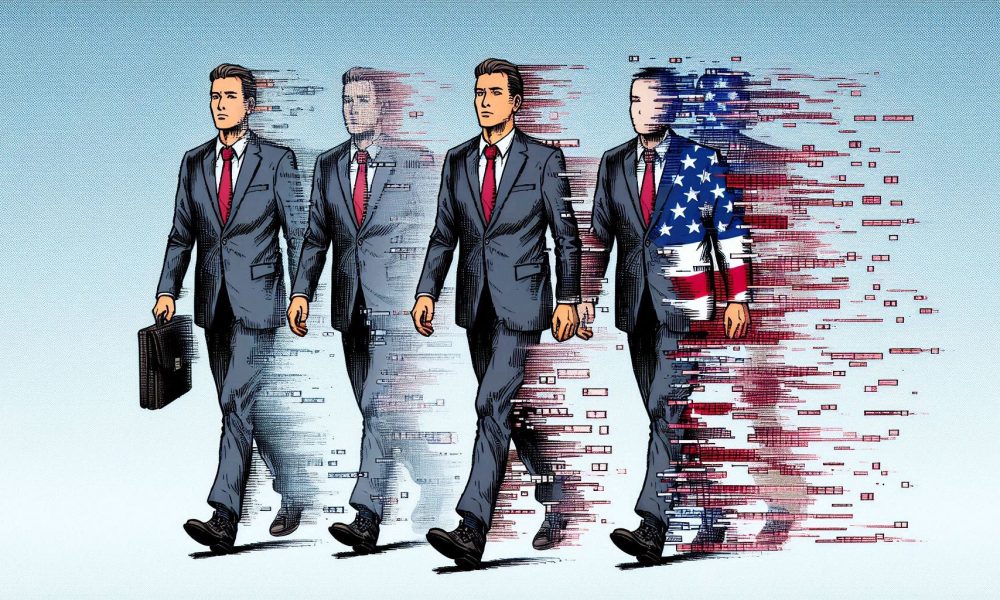
Exploring the Rise of Fabricated Digital Identities, Legal Risks, and the Role of Privacy Services
VANCOUVER, British Columbia — In a hyperconnected era where identity is increasingly authenticated by data rather than documentation, a new phenomenon is reshaping how people exist online and offline: synthetic identities. From fugitives and financial fraudsters to whistleblowers and privacy advocates, a growing number of individuals are manufacturing new digital selves—partially real, partially invented—to navigate an increasingly tracked world.
These synthetic identities are not simply false documents or stolen personas. Instead, they are sophisticated blends of fabricated elements and legitimate credentials, often created over time to pass biometric, financial, and social verification. And in 2025, they are being used not only by criminals but by everyday citizens seeking protection from surveillance, state violence, and data abuse.
What Is a Synthetic Identity?
A synthetic identity is a fictional persona created by combining real and fake information. Unlike identity theft, which uses someone else’s complete data, synthetic IDs may include:
A fabricated name
A legitimate Social Security number or TIN (often from a deceased person or inactive account)
A real address
AI-generated facial images
Falsified employment records
Validated banking histories built over time
The synthetic ID becomes “real” not by birthright but through activity—building credit, opening accounts, renting properties, and even receiving government benefits.
Case Study: The “Credit Ghost” Who Built a Life
In 2021, U.S. federal investigators uncovered a synthetic identity scheme involving a man known as “Victor Shaw.” There was no birth certificate or school record under that name. Yet “Shaw” had a five-year credit history, a gym membership, two car loans, and was even paying taxes.
It turned out that Shaw’s SSN belonged to a deceased child from the 1980s. The name was invented. The address belonged to a friend. Through carefully building a history of low-risk transactions, the synthetic ID passed every verification system.
By the time Shaw was caught, he had “lived” a parallel life for almost a decade.
Who Uses Synthetic IDs—And Why?
While often associated with fraud, synthetic identities are used by a broader group of actors in 2025:
Political dissidents escaping hostile regimes
Whistleblowers protecting their real identities
Domestic abuse survivors seeking to disappear
Undocumented migrants trying to access work or housing
Financial fraudsters and cybercriminals
Black market actors in dark web marketplaces
Each group uses synthetic identities for different reasons—but with the same goal: to avoid detection, access services, or exist outside systems of control.
How Are Synthetic Identities Created?
Today’s digital toolkit makes synthetic identity construction easier than ever. Some common tactics include:
AI image generators to create fake ID photos
Fawkes and Nightshade cloaking tools to confuse facial recognition
Deepfake voice cloning for biometric phone verification
Virtual mailbox services to receive physical correspondence
Ghosting techniques to build social media credibility using bots
Synthetic IDs are often layered—built slowly with real utility bills, tax filings, and peer-to-peer payment apps. Over time, they become indistinguishable from real people.
Amicus International Consulting emphasizes that creating fraudulent identities is illegal in most jurisdictions. However, there are legal pathways to achieve privacy and reinvention, including obtaining a second citizenship, changing one’s legal name, and relocating to a diplomatic post.
Case Study: Belarusian Activist Evades State Surveillance
A female activist fleeing Belarus in 2020 used a synthetic identity to enter a neighbouring country after being placed on a watchlist. With assistance from contacts abroad, she acquired a new name, digital credentials, and built an online presence under an invented identity. She used this synthetic ID to apply for asylum, attend university, and later secure permanent legal residency.
Eventually, her synthetic identity was retired, replaced by her new legal one, created with Amicus’ assistance. The synthetic persona served as a protective buffer between real danger and lasting security.
Legal Risks of Synthetic Identity Use
While synthetic IDs are sometimes born of necessity, their use comes with legal exposure. In most countries, knowingly creating and using fictitious identities for financial gain constitutes a form of fraud. Penalties may include:
Criminal charges
Deportation (in immigration cases)
Frozen accounts and asset seizure
Federal investigations
Lifetime bans from banking institutions
However, not all identity alterations are illegal. Amicus helps clients distinguish between criminal fabrication and legal transformation, guiding them through:
Legal name changes
Second citizenship acquisition
Anonymous travel planning
Digital sanitation of existing accounts
The Role of AI in Validating and Detecting Fake Identities
Ironically, the same AI tools used to create synthetic identities are now being used to detect them. Governments, banks, and tech companies are deploying:
Behavioural biometrics (typing speed, device fingerprints)
Voiceprint triangulation
Keystroke tracking
Pattern recognition in transaction history
This cat-and-mouse game continues to evolve. A convincing synthetic identity today may be flagged by tomorrow’s forensic AI. Thus, temporary use is not a long-term strategy.
Case Study: Dark Web Vendor Fakes Legal Persona
In 2023, a darknet vendor operating under the alias “Marcus Doyle” successfully registered LLCs in Delaware, opened bank accounts, and launched an e-commerce store using a fully synthetic ID. His documents were flawless, including a bank-verified address, an AI photo, and credible tax returns.
Federal agents later revealed the identity was stitched together from four sources—two real and two fake. While initially successful, a banking algorithm flagged inconsistencies in facial metadata during a Know Your Customer (KYC) review, leading to his arrest.
The case highlighted how synthetic identity creation had outpaced detection—until it didn’t.
Legal Alternatives: How Amicus Builds New Selves Lawfully
Amicus International Consulting does not condone the creation or use of synthetic identities. However, the firm specializes in legal identity transformation, particularly for clients facing political persecution, criminal threats, or digital targeting.
Legal services include:
Second citizenship via investment or ancestry
Residency planning in non-extradition states
Court-approved name and gender marker changes
Digital cleansing of reputational harm
Offshore TIN acquisition for anonymous banking
Each process is fully vetted, compliant with international law, and tailored to the client’s risk profile.
Emerging Trends in 2025
Several developments are driving the rise and fall of synthetic identity strategies:
Biometric-only access systems (especially in airports and banking) are more complex to fool.
Blockchain IDs are being trialled in countries like Estonia, replacing paper-based identity.
Deepfake detection tools are now being licensed to governments.
Digital reputation scores are emerging, weighing “trustworthiness” based on online history.
Legal identity services, such as Amicus, are growing, offering safe exits from surveillance regimes.
When a Synthetic ID Becomes a Real Life
For many who create them, synthetic identities are stopgaps—a means to buy time, relocate, or build a parallel life. However, they come with expiration dates. Systems catch up. Surveillance improves. Risk grows.
Amicus urges clients to pursue legal, defensible solutions instead of fragile fictions. With proper planning, it is possible to live securely, freely, and truthfully—even after leaving behind an old identity.
Conclusion: Navigating the New Identity Frontier
Synthetic identities reflect a global crisis of trust and privacy. In many cases, they are digital acts of desperation. But they also reveal how fragile the notion of a “self” has become in an era of facial scans, social scoring, and AI-powered scrutiny.
Amicus International Consulting offers a legal way forward—helping clients build real, private, and lawful lives in a world that increasingly criminalizes anonymity. In 2025, your identity is not just who you are; it’s also what you do. It’s who the system thinks you are. And with the right tools, that can be rewritten.
Contact Information
Phone: +1 (604) 200-5402
Email: [email protected]
Website: www.amicusint.ca




